Stop Fighting Thermal Drift in Your SIPA Rotary Blow Molders
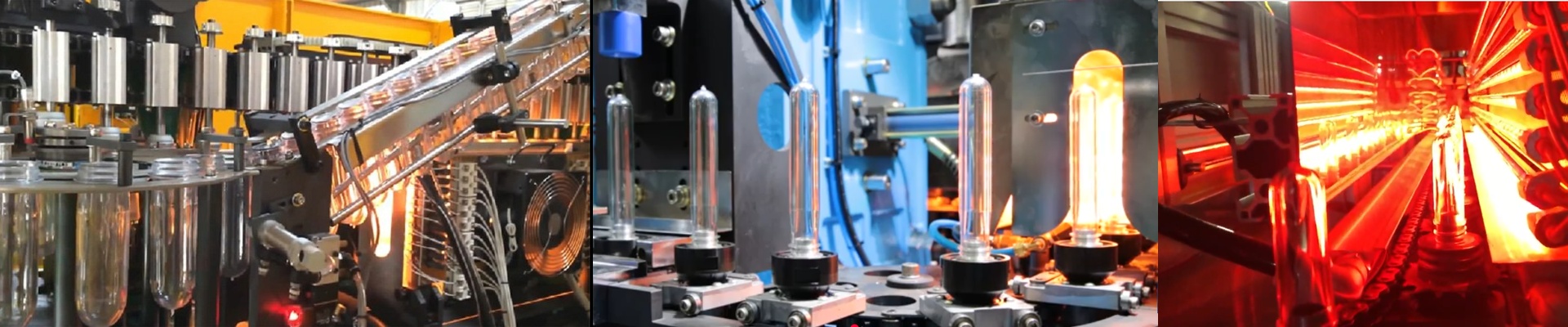
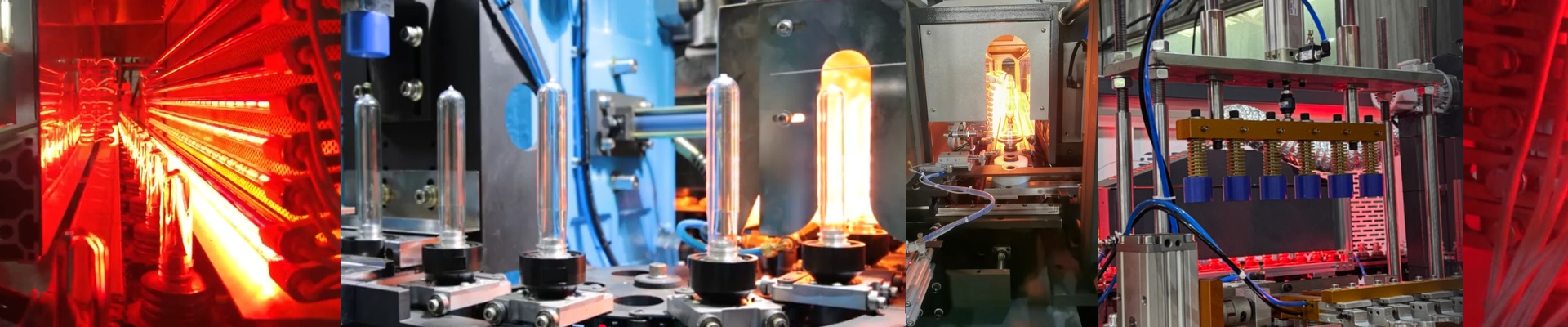
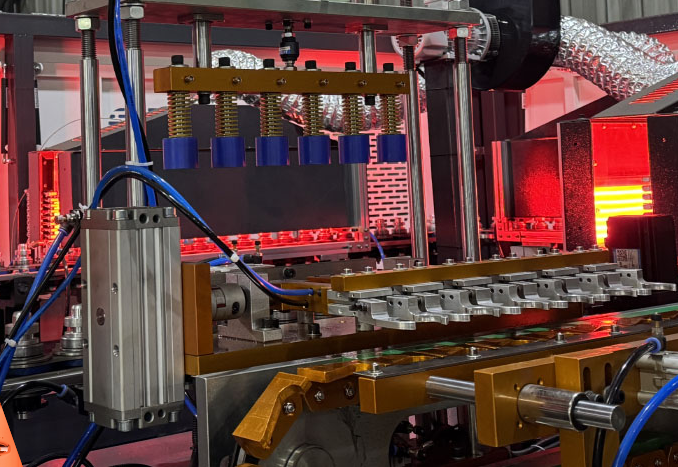
Ever notice your bottles coming out a bit… off? Maybe the walls are too thin in one spot, or the shape just looks distorted. Most of the time, it comes down to a power mismatch in your heating lamps. If you’re mixing and matching lamps with different wattages or voltage tolerances, you’re basically asking for trouble. You get uneven preforms, and that’s where the headache starts. We fix this by making sure every single infrared lamp we provide is a perfect power match. No guessing. Why “Close Enough” Isn’t Good Enough Here’s the thing about PET: it’s picky. If your machine is spec’d for 2500W at 400V, we build to that exact number. Some people think a slight difference doesn’t matter, but a tiny 5% shift in power across your rotary oven can mess with the glass transition temperature of the plastic. Suddenly, you’ve got hotspots. The material stretches unevenly. By keeping the wattage tight, the heat stays flat across the whole oven, and your bottles actually look the way they’re supposed to. Plug-and-Play Hardware We use high-purity quartz glass because it can take the thermal shock without cracking. These are shortwave IR lamps, so they ramp up to temperature fast. Depending on your chassis, we use standard R7s or SK15 connectors. They’re simple drop-in replacements. You won’t have to rewire your racks or move things around to make them fit. Plus, the quartz is coated to push the energy straight into the preform, so you aren’t just wasting heat on the machine frame. One Quick Warning High-density heat is great, but it puts a lot of pressure on your cooling blowers. If your fans are acting up or your vents are clogged with dust, that ambient heat has nowhere to go. It just builds up. That’s a fast track to burning out your lamps or melting your wiring. Before you push the power to the limit, just take a second to make sure your cooling system can actually handle the total kilowatt load of the oven. It’ll save you a lot of stress down the road.