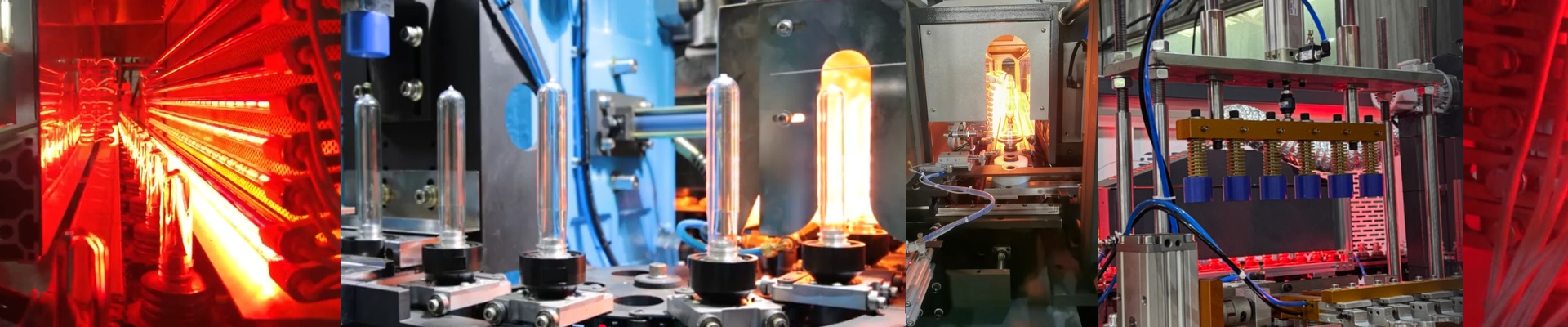
Stop Fighting with Your SIPA Rotary Heating
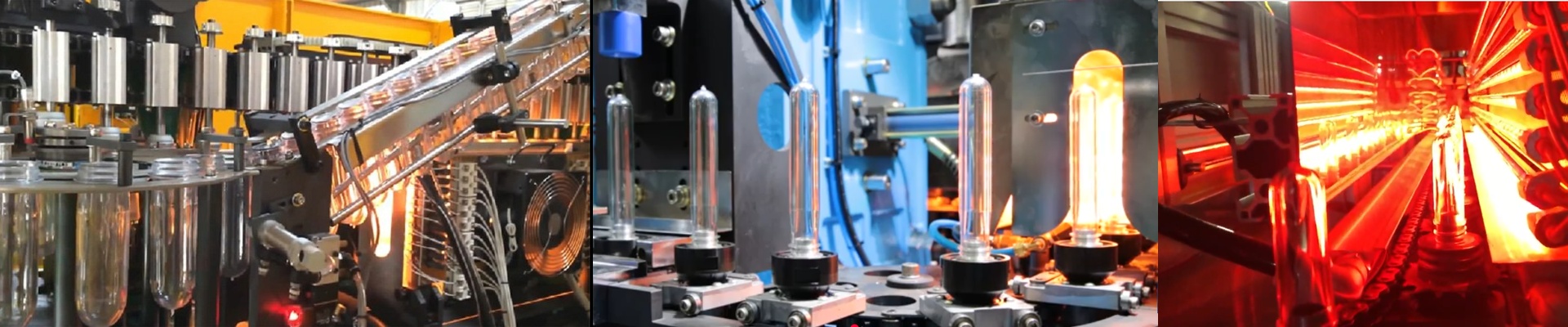
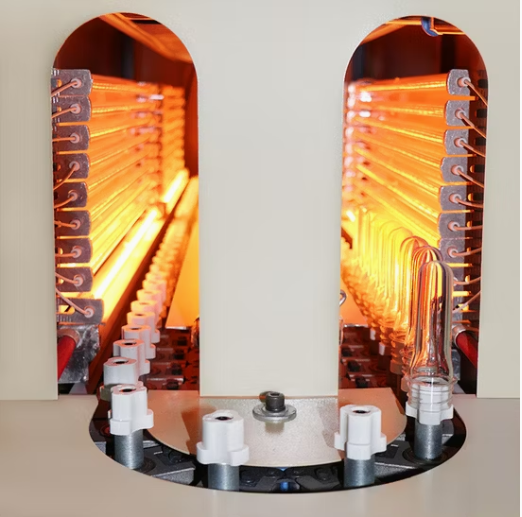
If you’ve ever pulled a batch of bottles off a SIPA rotary machine only to find weird wall thickness or that annoying pearlescence, you know the frustration. It’s a headache. Usually, the culprit isn’t the machine itself—it’s the lamps. Too often, people swap in replacement lamps that look right but don’t actually match the OEM wattage or voltage. It sounds like a small detail, but if you’re off by even 5%, your whole heating profile shifts. Here is the thing about the physics of it. In a rotary oven, the timing is locked in. The preform is moving; it doesn’t wait for the heat to catch up. You can’t just “crank up the dial” to fix a weak lamp because the dwell time is fixed. The wattage has to be spot on. If it isn’t, the PET won’t hit that glass transition temperature at the exact millisecond it hits the mold. Plus, if the voltage is wrong, you’re either under-heating the plastic or just burning through your filaments way too fast. What we did differently with these. We focused on a 100% power match. No guessing. We use high-purity quartz glass because these things take a beating with constant rapid thermal cycling. We also added specific coatings to tune the infrared wavelength. This means the heat actually sinks into the PET wall instead of just scorching the surface. And we didn’t skimp on the connectors. Whether it’s R7s or Sk15, they fit tight. A loose connection is a disaster waiting to happen—it creates resistance, which leads to arcing and, eventually, melted sockets. Nobody wants to deal with that. Getting them installed. These are simple drop-in replacements. You pull the old tube, wire in the new one, and you’re back in business. No need to mess around with the oven housing. But a quick word of advice: high-wattage shortwave lamps put out an intense amount of heat. If you’re pushing your machine to its upper limits,keep your cooling fans clean. If your filters are clogged, the housing will overheat and kill the life of the quartz envelope. While you’re in there swapping the lamp, give your reflectors a wipe. A dirty reflector can waste 20% of your heat. It’s a two-minute job that saves a lot of energy.