Stop Over-Drying Your Product: A Better Way to Heat Rotary Ovens
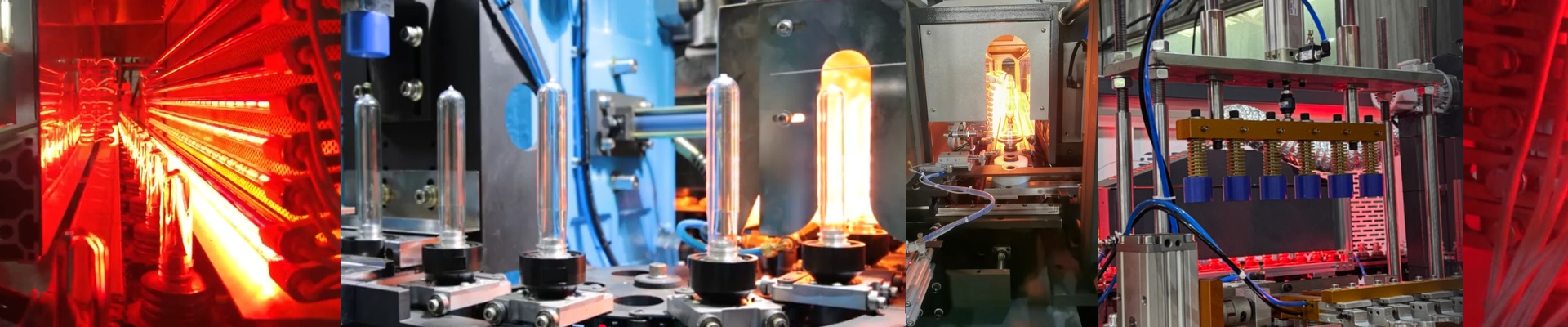
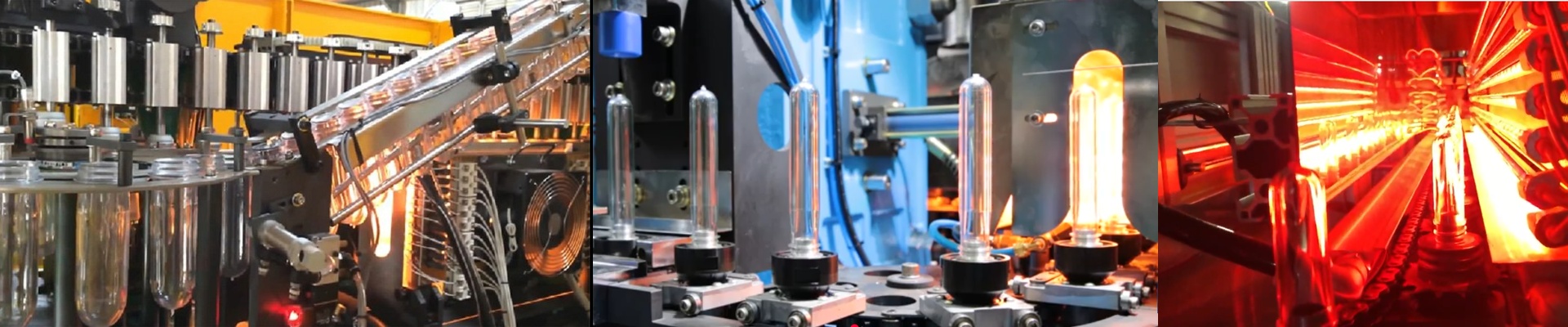
Ever pull a batch out of the oven only to find the outside is burnt to a crisp but the middle is still raw? It happens all the time with standard convection. The hot air just rips the moisture off the surface too fast, leaving you with a hard shell that traps the wetness inside. We fix this by swapping air-conduction for ceramic infrared (IR) heaters. Instead of blowing hot air around, we’re using direct radiative energy. How it actually works Think of it like the sun hitting your skin. Ceramic IR heaters send out waves that actually soak into the food. Instead of just searing the surface, the heat pushes from the inside out. This gets rid of that annoying “case hardening” effect. You get a consistent cook through and through, and you’re finally in control of the energy flow. The nitty-gritty on the gear In a rotary oven, your product is always moving. That means your heaters can’t be sluggish—they need to hit the target temperature the second the food enters the zone. We use high-grade alumina ceramics because they can handle the stress. Production lines are brutal; the constant heating and cooling would crack cheaper materials. One tip: keep an eye on your belt speed. If you’re cranking up the rotation, you’ll need elements with a higher watt-density to make up for the fact that the food is spending less time under the heat. Setting it up (and the trade-offs) When you’re wiring these in, don’t just line them up in a row. You’ll end up with cold spots. We’ve found that staggering the placement gives you much more uniform coverage across the oven. Now, a heads-up: ceramic heaters aren’t like quartz lamps. They have more “thermal inertia,” meaning they take a bit longer to warm up and cool down. If you need to flick the heat on and off instantly, you’ll want a more aggressive PID controller so the temperature doesn’t overshoot and ruin your batch. And please, don’t skimp on the ventilation. If heat builds up around those ceramic blocks, it’ll fry your wiring insulation faster than you can imagine.