Stop Fighting Heat Fluctuations in Your SIPA Rotary Blowers
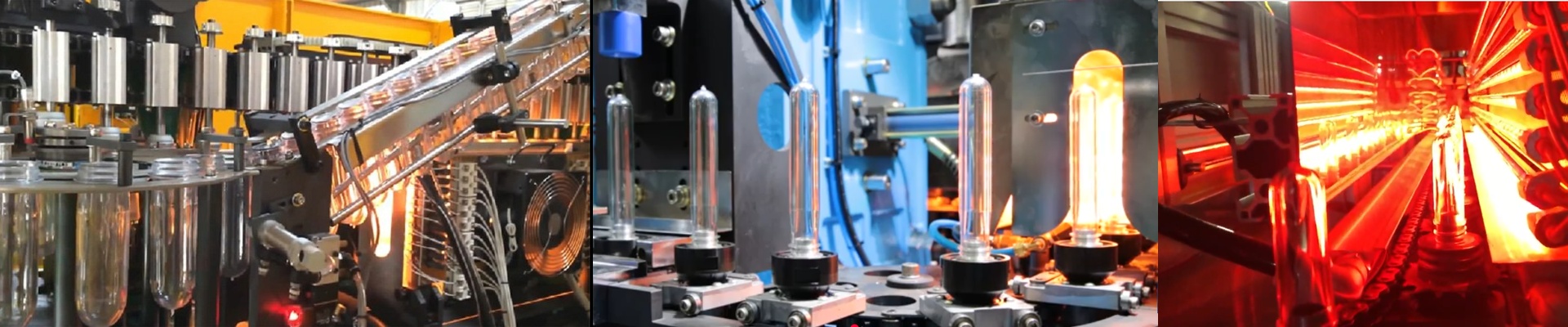
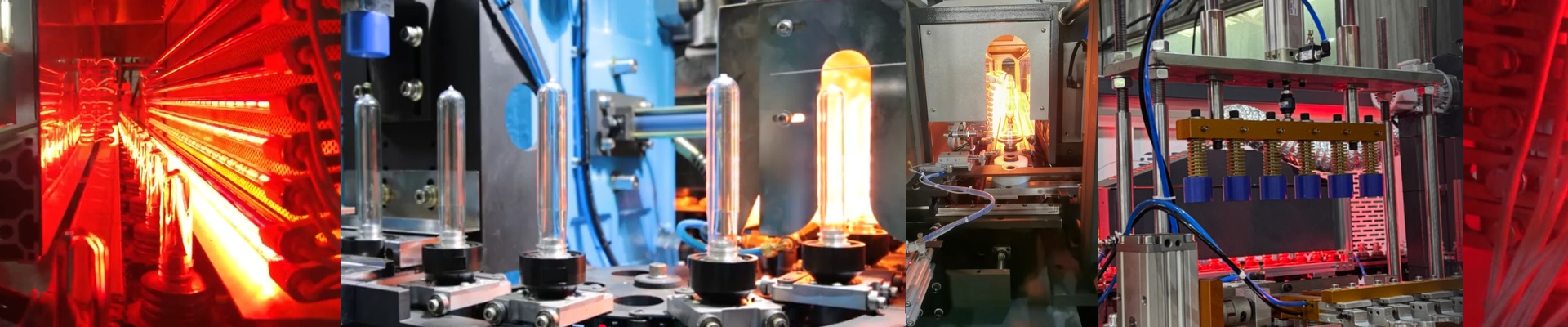
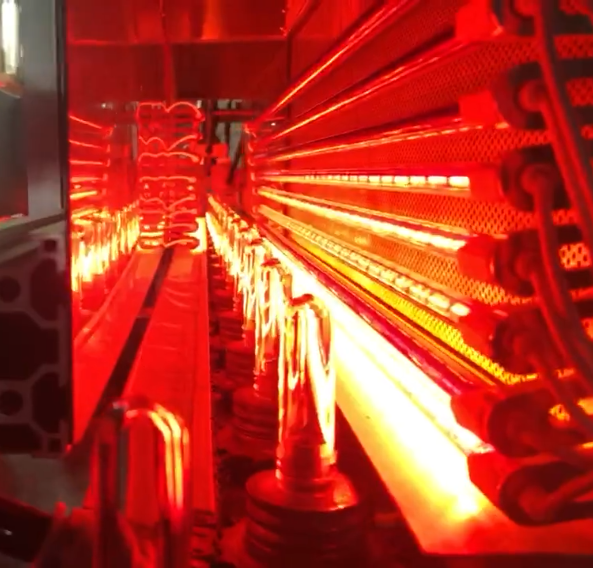
Anyone who’s spent time with a PET blowing machine knows the headache of inconsistent heat. One minute everything is fine, and the next, you’re staring at bottles with wonky wall thickness or, worse, a pile of failures. If you’re running a SIPA rotary, the culprit is usually simpler than you think: the lamps. A lot of people grab replacement lamps that look right but don’t actually match the original power specs. We fixed that. Our lamps for SMF ovens are designed to be a direct swap—meaning you get 100% power consistency across the whole heating bank. No guesswork. Why “close enough” isn’t good enough Here’s the thing about power matching. When you mix and match lamps with different wattages or voltages in one oven, you create “cold spots.” It sounds minor, but it’s a mess. If your machine is wired for a specific high-voltage load and you drop in a lamp with the wrong resistance, it throws the whole heat profile off. Then, your PLC tries to overcompensate to make up the difference. The result? Your brand-new lamps burn out way faster than they should. The grit and the glass We use high-purity quartz glass because these things take a beating. They go from cold to screaming hot in seconds, and that thermal shock can crack cheap glass. We also stick to R7s or SK15 connectors. Why? Because a loose fit is a disaster. A gap in the connection creates arc points that basically eat your socket alive over time. Plus, we use a halogen cycle inside the tube to keep the filament centered. It stops that annoying “sag” that usually messes up your radiation patterns. A quick heads-up before you install These lamps provide the heavy-hitting heat density you need to keep your cycle times fast. They fit right in without you having to mess around with the oven footprint. But a word of advice: running these at full tilt puts a lot of pressure on your cooling blowers. If your fans are clogged with dust or just dying, the oven gets too hot, and your lamp life will tank. Do yourself a favor—check your airflow before you wire up the new set. It’ll save you from wasting your money.