


Keeping You Safe: The Truth About IP65 Bathroom Heaters
Let’s be honest: putting high-wattage infrared lamps in a bathroom is a bit of a gamble if you aren’t careful. You’ve got steam, splashes, and constant humidity. Since water and electricity are a nightmare pairing, one bad seal or a tiny leak in the insulation can turn a cozy shower into a dangerous situation. The real battle happens where the heating element meets the power source. That’s where we focus.
Dealing with the Damp
You’ve probably seen the “IP65” label. In plain English, it means the housing is tight enough to keep out dust and handle a direct spray of water. But here is the thing: the terminal connections are usually where these heaters fail. To stop that, we use reinforced cable glands and gaskets that create a true airtight seal. It stops “creepage”—that annoying process where moisture creates a little bridge for electricity to travel across, which usually ends in a loud pop and a dead heater.
Total Isolation (No Shortcuts)
We don’t just trust the outer shell to do the heavy lifting. Inside, we use ceramic and heat-resistant polymers to hold the lamps. These materials are great because they keep the live current locked inside the quartz tube. It doesn’t migrate to the chassis. We also put these units through stress tests to make sure they can handle a sudden voltage spike without sparking.
The Trade-off
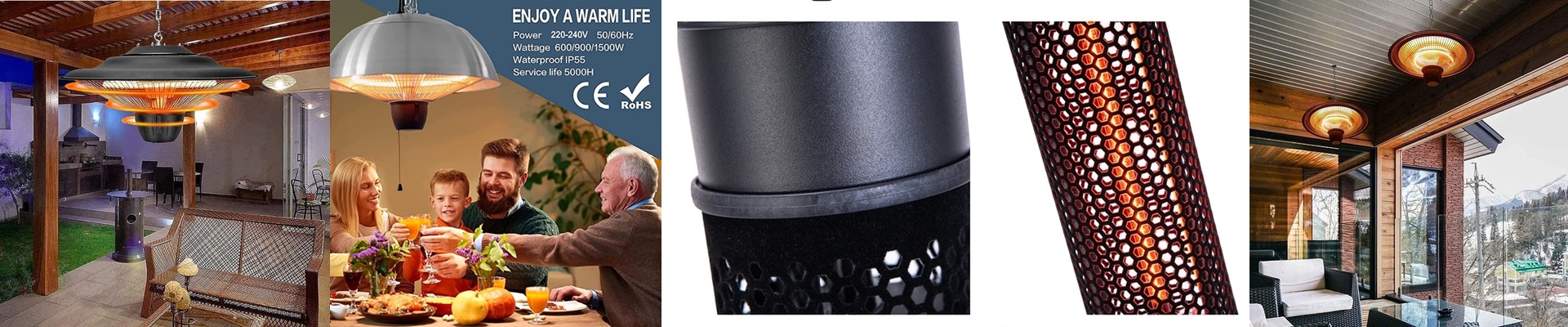
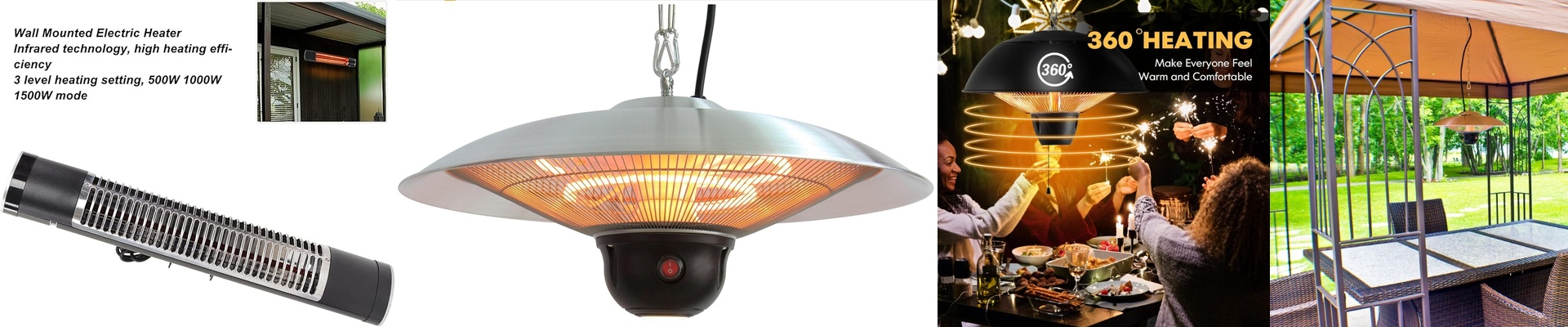
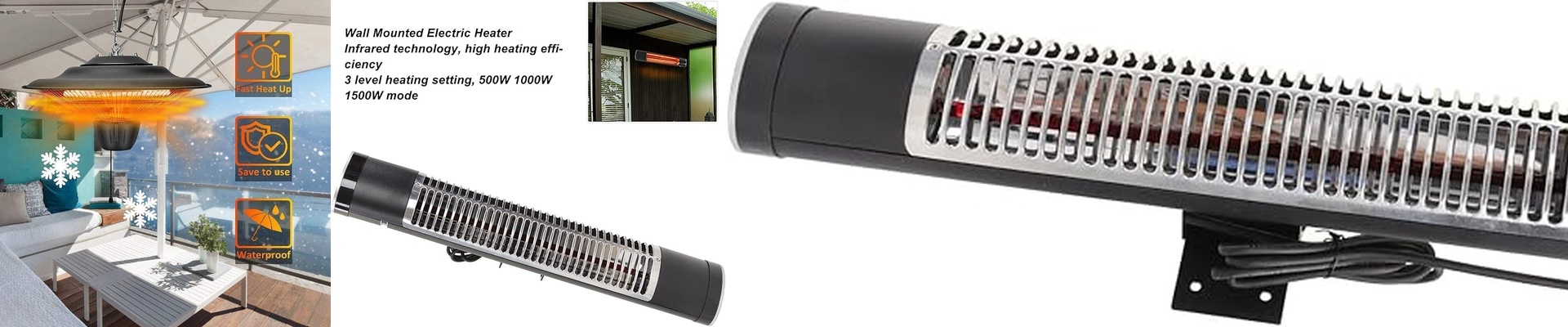
Sealing a heater this tightly comes with a catch. Because we’ve blocked the airflow to keep the water out, the internals get a lot hotter than they would in a big, open warehouse. This means your thermal fuses have to be spot on. If you tuck the unit into a tight ceiling space with no room to breathe, the heat builds up and the safety cutout will trip way too early. To avoid that headache, just leave about 100mm of clear space around the housing. And one last tip? Use a dedicated GFCI (Ground Fault Circuit Interrupter). Even with the best seals in the world, a GFCI is your ultimate safety net in a wet room. Better safe than sorry.