Stop Waiting on Your Oven to Catch Up
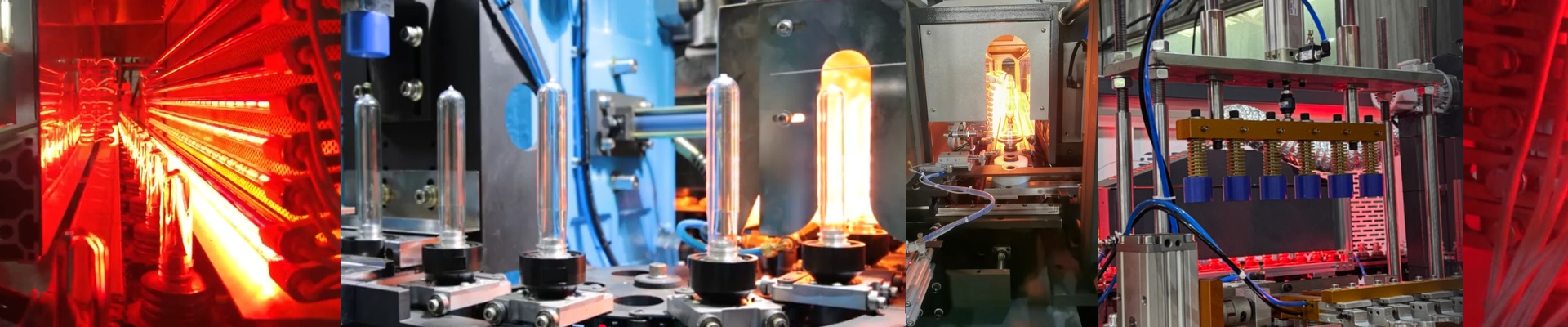
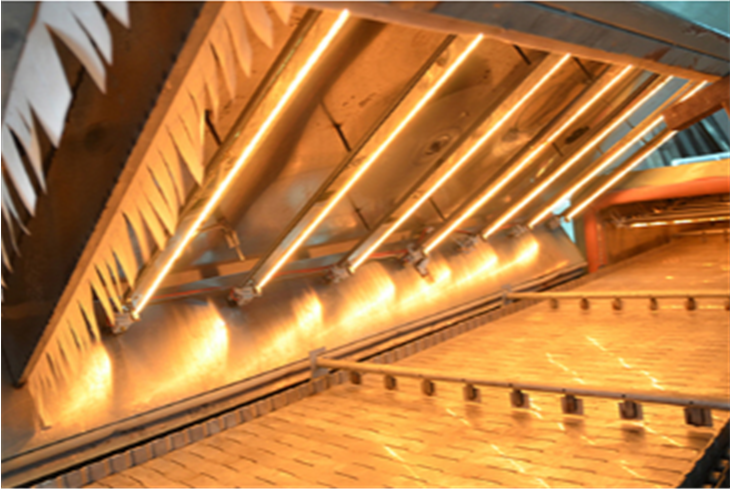
Most commercial convection ovens have a annoying habit: they’re slow. They rely on moving air to get the job done, which means you’re basically waiting for a heating element to warm up the air, and then waiting for that air to warm up your food. It’s a bottleneck. When your kitchen is slammed and you need to move fast, that lag time is a nightmare. That’s why we put infrared (IR) lamps right into our stainless steel ovens. Instead of playing the waiting game with the air, the heat hits your product directly. It’s almost instant. Think of it like the difference between warming up a room with a heater versus stepping into the sun on a cold day. You don’t have to wait for the “room” (the oven cavity) to get hot. You just flip the switch, and the energy is already there, hitting the surface of whatever you’re cooking. Now, we use stainless steel for the chassis because it’s the only way to keep things hygienic, but steel can be tricky—it likes to bounce IR waves around. We’ve spent a lot of time tweaking the lamps so the heat actually sinks into your food instead of just bouncing off the walls. But a quick heads-up: these lamps pack a serious punch. They deliver a massive amount of energy very quickly, which is great for getting that perfect brown or a quick cure. Just make sure your sensors are ready for it. If your controller is still set up for a slow, lazy convection breeze, you’ll probably blow right past your target temperature. The real win here is your production rhythm. When you aren’t spending forever waiting for the oven to recover between batches, everything moves faster. You can squeeze more cycles into a single shift. In a high-volume kitchen, the difference between a 30-second lag and a 5-second response is huge. It turns your oven from a slow-cooker into a precision tool that actually keeps up with you.