When that oven door swings open, you want the top of every loaf and pastry to look exactly as intended—evenly browned, not blotchy. In a busy bakery, uneven top heat isn’t just a cosmetic issue. It means rework, slower ticket times, and a team that’s second-guessing the bake schedule. A ceramic heat lamp is the most direct way to take control of surface color and texture. Mounted above the deck or baking chamber, it delivers radiant heat right where it matters: the top crust. Get the power, mounting, and temperature management right, and you stop chasing hot spots. You start hitting repeatable results, shift after shift.
What matters under the hood
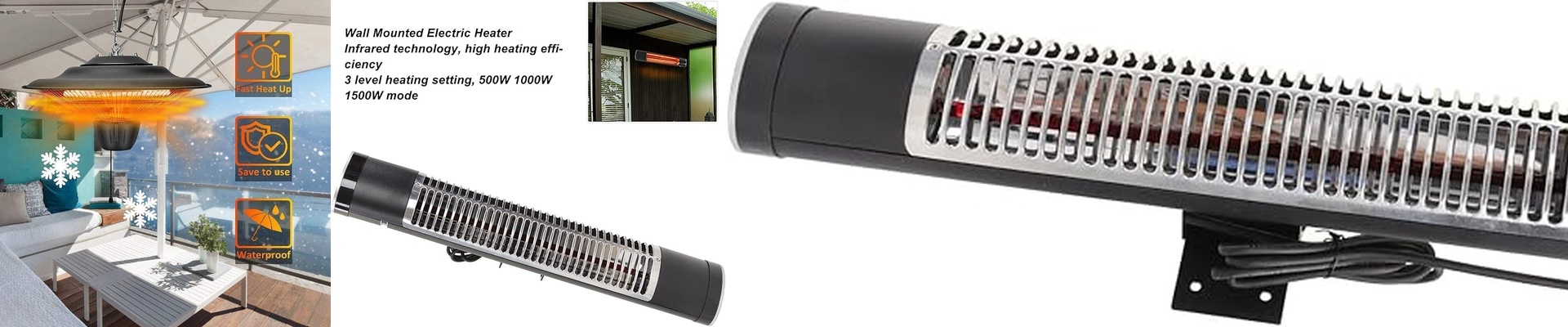
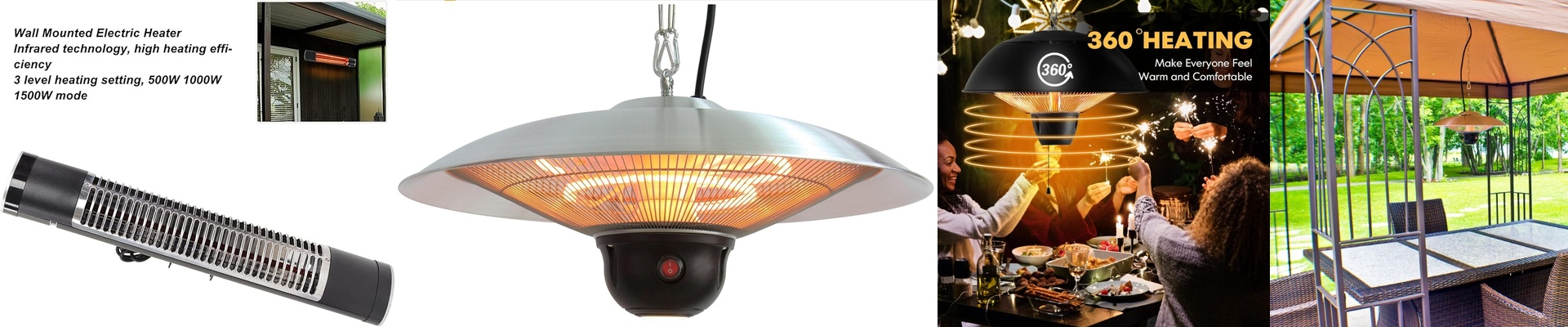
Ceramic heat lamps are built around a ceramic body that houses the heating element. That ceramic does two practical jobs at once: it holds the element steady at high temperature, and it spreads the heat across the lamp surface before it radiates downward. The payoff is a broad, even radiant field that blankets the top of the product without concentrating heat in one spot. In a bakery deck oven, the lamp lives in the top zone, where radiant heat drives browning and crisping. We spec lamps that respond quickly—coming up to temperature fast—so you can adjust top heat without waiting for the whole oven to settle. Wattage is chosen to match the oven opening width and the distance from the product, because those two variables determine how much radiant energy actually reaches the crust. We size the lamp to cover the full width of the deck, so you don’t get a bright stripe down the center and cool edges. It runs hot, and that matters: the radiant energy has to be strong enough to drive caramelization and Maillard reactions on the surface while the interior finishes. Mounting hardware holds the lamp at a fixed distance from the deck, because repeatable geometry is what turns “looks right” into a measurable setting.
Why this works in a bakery
In a bakery, the top crust is the first thing the customer notices. With a ceramic heat lamp, you get consistent color across the entire tray, even when the oven is fully loaded. That matters for baguettes, ciabatta, focaccia, and any pastry where a glossy, even finish is part of the product identity. The lamp gives you immediate control over top-zone heat. When you dial in the right amount of radiant energy, you hit the same color target with fewer test loaves and less scrap. Your deck oven still handles bottom heat and steam; the lamp handles the top—two separate jobs, two separate controls. That separation helps when you change over products. Switch from bread to croissants, and you can adjust top heat without overheating the deck. Move to a delicate Danish, and you can pull back the radiant intensity to avoid over-browning. The team learns one simple rule: move the lamp setting, not the entire oven profile. The workflow wins are real. Stable top heat reduces the need to rotate trays to chase color. Fewer handling steps means fewer mistakes and a faster path from oven to display case. Energy use is easier to manage, too. A ceramic heat lamp heats only the top zone, not the whole oven chamber. During rushes, you can run the deck at the right bake temperature and let the lamp carry the top browning load. Over a full service window, that targeted approach keeps the oven from working harder than it needs to.
The practical details you can’t skip
A ceramic heat lamp is straightforward to install, but it needs space and airflow. Mount it at the correct height above the deck to get even coverage. Too far away, and you lose intensity—browning slows. Too close, and you risk localized overheating on delicate products. These lamps run hot, and that heat has to be managed. Use mounting hardware and shielding rated for the oven environment, and keep the lamp positioned away from any flammable insulation or contact points. In most deck ovens, the lamp is for top-zone use only—treating it like a general-purpose heater will throw off the oven’s temperature balance. Compatibility matters. The lamp needs a dedicated power connection and a control method that matches your oven’s thermostat or top-zone control. If your oven has a simple on/off top heat switch, you’ll get consistent results by setting the lamp and leaving it, then adjusting bake time or deck temperature for different products. If your oven has modulating control, you can fine-tune top heat more precisely as the day goes on. Plan for maintenance. The lamp is tough, but it’s still a high-temperature component. Keep spare mounting brackets and the correct replacement lamp on hand, and set a simple inspection schedule—check alignment, clearance, and electrical connections during weekly cleaning. A five-minute check prevents the kind of downtime that costs you a full morning bake. When you run a bakery, you don’t need another variable to chase. You need heat that lands where you expect it, every time. A ceramic heat lamp gives you exactly that: predictable top-zone performance, repeatable color, and a crust that comes out the same way, tray after tray. If you want to tighten bake consistency, start by looking up—at the top heat, the lamp, and the distance. Get those right, and the rest of the bake gets a lot easier to control.