How to Actually Speed Up Your Line with Quartz IR
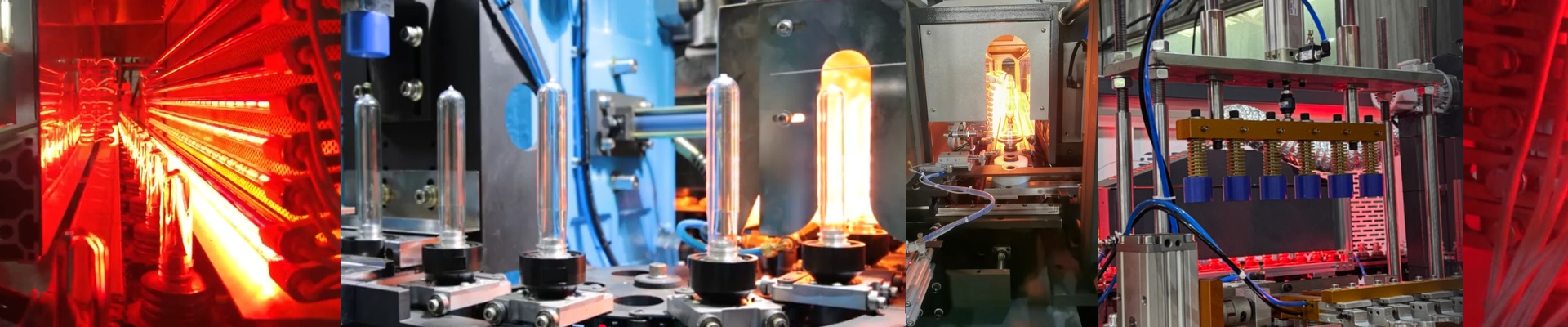
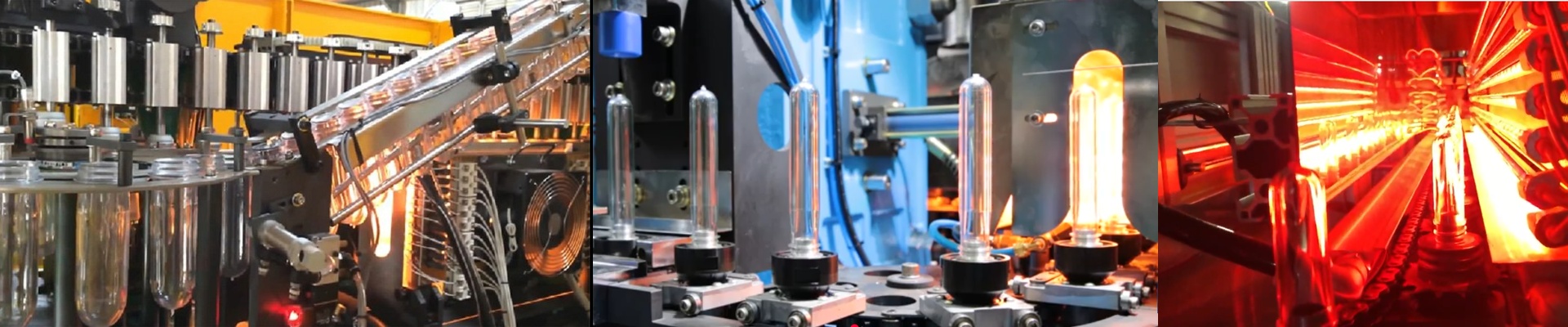
Standard convection ovens are a bit like trying to heat a room by blowing a fan on a radiator—it takes forever because you’re waiting on the air to do the heavy lifting. If you’re trying to push more pieces per minute through your baking or drying line, relying on hot air alone is just going to slow you down. That’s why we plug quartz infrared (IR) tubes right into the line. Instead of heating the air, these tubes blast radiant heat directly onto the product. It skips the middleman. The heat hits the surface instantly. The trick to moving faster Air has a limit. It can only hold so much heat. But quartz IR lamps? They send out shortwave or medium-wave radiation that actually sinks into the product. We set these tubes up to pack a lot of wattage into a small space. This creates these intense “heat zones” that do the work of a much larger oven. Because the product warms up almost instantly, you can crank up the conveyor belt speed without worrying about things coming out under-baked. You get more output, and you don’t have to build a bigger factory to do it. Why quartz? We use high-purity quartz glass because it’s tough. These tubes can glow white-hot and then take a thermal shock without cracking or warping. One thing we always talk about is the connectors. If you’re just swapping tubes every once in a while, a standard R7s works fine. But if your line is humming 24/7, go with the heavy-duty Sk15s. They won’t oxidize or flake apart under constant heat, which means fewer midnight maintenance calls for you. The reality check Now, this isn’t a magic wand. There are a couple of things to watch out for. Since IR heat is so concentrated, it’s easy to overdo it. If you push the wattage too high, you’ll scorch the top of your product before the center even feels the heat. It’s a balancing act between how hot the tubes are and how fast the belt is moving. And a heads-up on the power: these tubes are hungry. They pull a lot of current. Before you install them, take a look at your electrical panels. You might need to beef up your wiring so you aren’t tripping breakers right in the middle of a peak production run.