Introduction
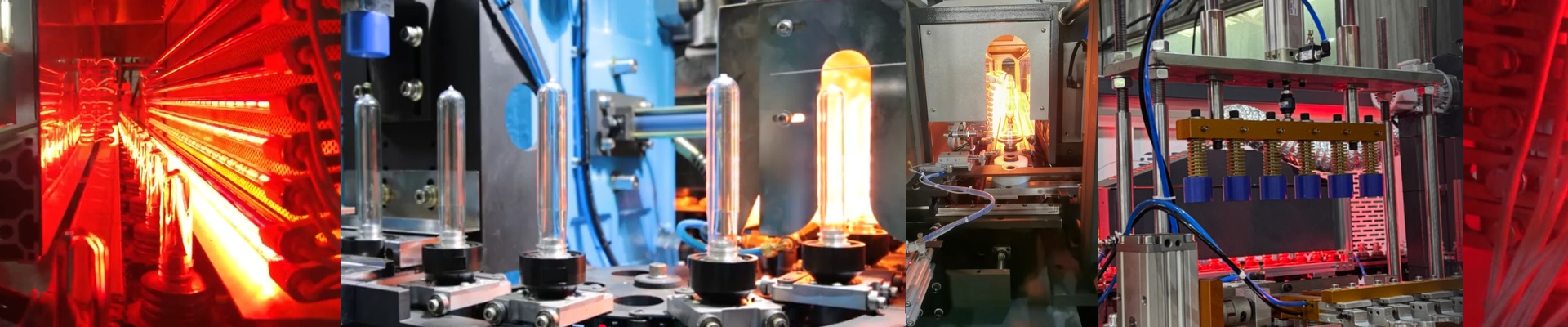
Let’s talk about your bakery oven. If you’re still running on old-school resistance wire, you’re basically throwing money away. It’s slow. It’s inefficient. And a lot of that heat just vanishes into the air. We build infrared heating elements—specifically, the quartz tube type—for industrial ovens. They’re a different beast. Instead of heating up the whole oven, they send a direct, focused blast of energy right where you need it: on the product. It’s a smarter way to work.
Power, Voltage, and Size: The Real Deal
Here’s the thing about these infrared tubes: they’re built for serious heat, packed into a small space. Take a typical unit, for example. It runs on 400V, pulls 2500W, and is just 300mm long. That compact size is what gives you such a fast response. We’re talking full power in seconds, not minutes. This kind of speed cuts down your bake cycles and keeps your oven from sitting idle. But with that kind of power, you need to be smart. The energy is concentrated, so you need a proper cooling and airflow setup. If the housing gets too hot, you lose efficiency and shorten the life of the component. So, treat your thermal management with the same care you give your wiring.
What They’re Made Of: The Inside Story
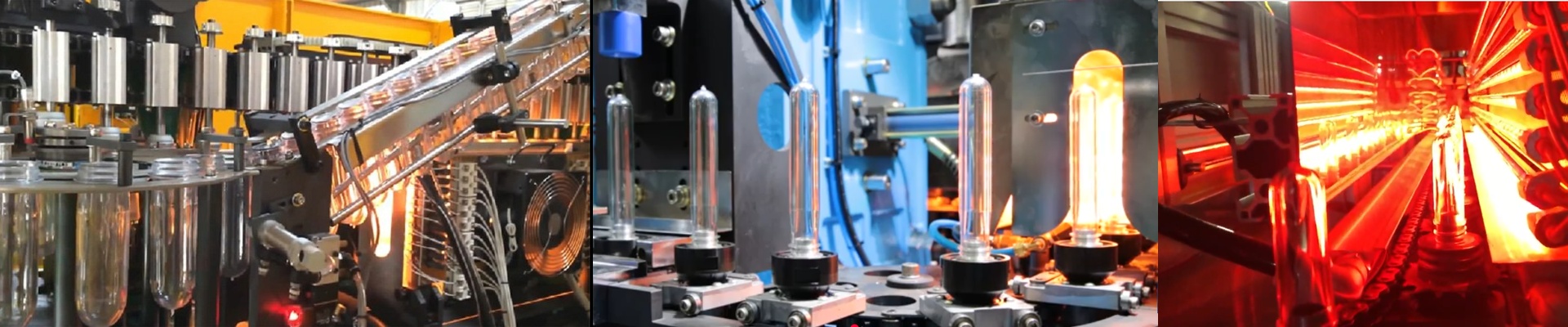
The tube itself isn’t just any glass—it’s quartz. That’s because quartz handles extreme heat and stays stable, no matter how long the run. Inside, a halogen filament keeps the element running hot and steady, even during long shifts. And there’s one more clever detail: a reflective coating on the tube. It directs more of that infrared energy forward, so less heat is wasted. When it comes to installation, we use R7s connectors. They’re a proven industrial standard, giving you a secure, low-resistance electrical fit. It’s a direct, drop-in replacement, so you can wire it up without having to modify your oven.
How It Works for You: Keeping the Heat Right
In a bakery, the goal is holding temperature without drying out the product. That’s where these infrared quartz tubes shine. They deliver energy that quickly penetrates the surface, keeping the core temperature stable. You get consistent heat retention, but with less energy being drawn overall. Compared to resistance wire, infrared systems cut way back on standby losses because they ramp up fast and shut down just as fast. That kind of control directly lowers your electricity consumption. You still get the same output, but with a smaller energy footprint—and a smaller footprint inside your oven.