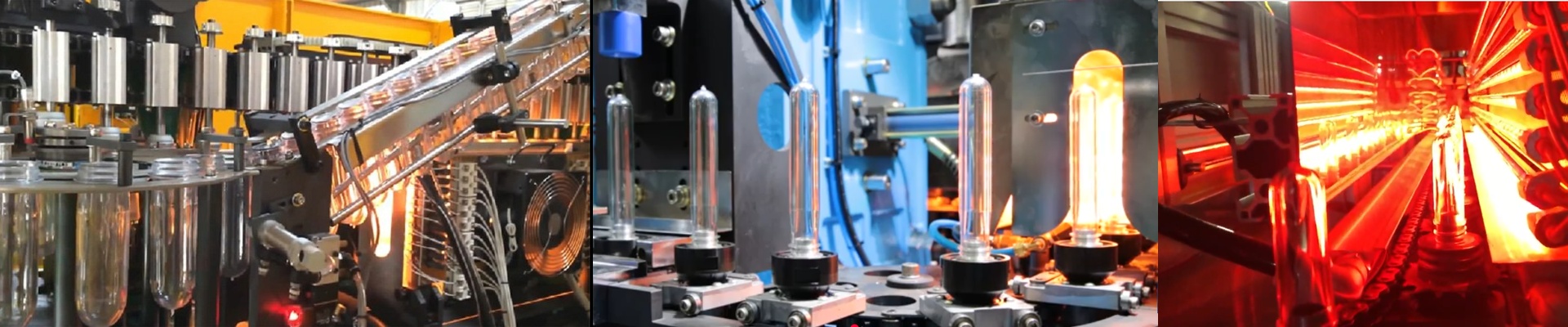
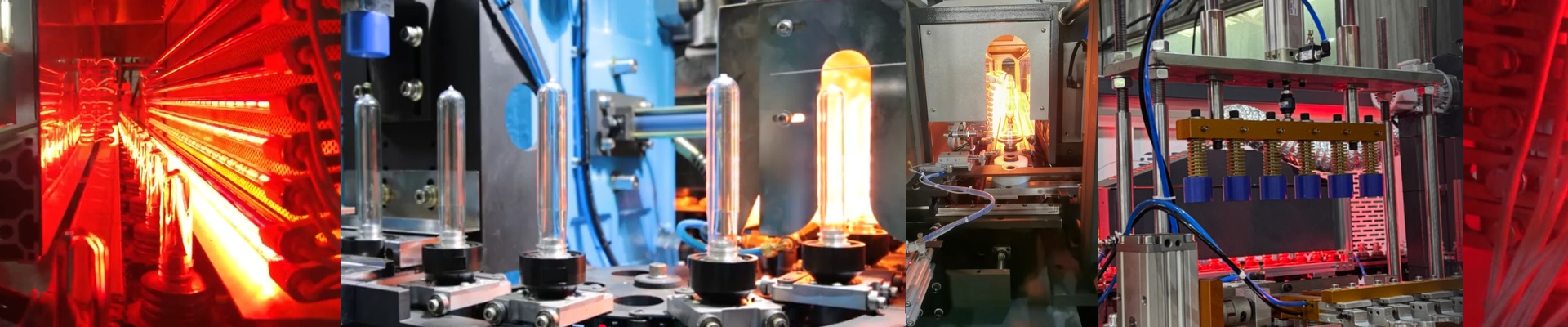
When service hits and the ticket queue builds, the oven has to carry its share—fast. If it can’t recover, dough sags on the stone, pizzas steam instead of crisping, and trays bake unevenly across the load. We built the twin quartz heating system for exactly that moment: bring the baking chamber back to setpoint quickly, then hold steady while you introduce steam.
What matters under the hood
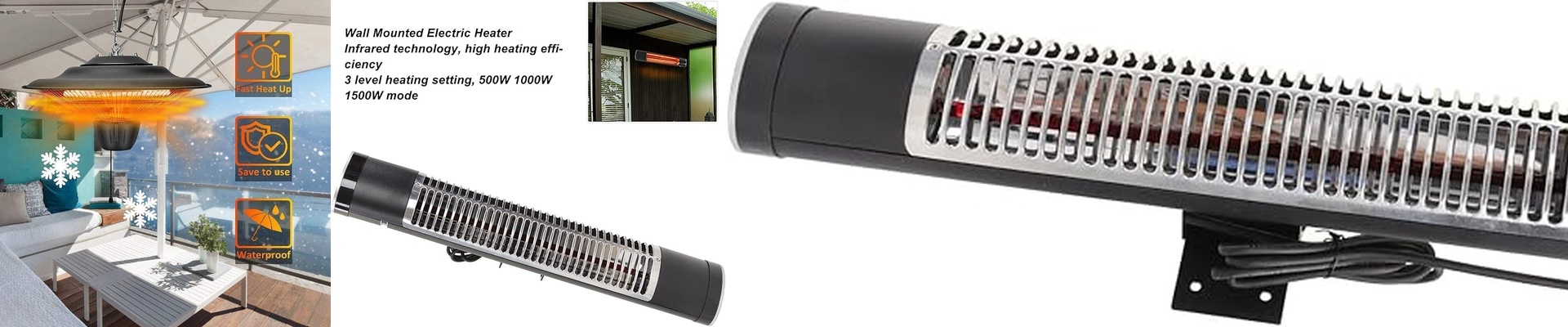
The heart of it is a twin quartz tube array, running on short-wave infrared that drives heat straight into the product and the hearth, not just the air. Quartz tubes have very low thermal mass, so they respond the second the thermostat calls for more power. In a steam oven setup, that snap-back keeps cavity temperature stable during steam injection—no dip that wrecks crust formation. In many deck and convection platforms, you can expect full recovery from a door opening in under 25 seconds, with consistent element temperature across each tube for even radiant output.
Why this works in a busy shop
In a packed bakery or pizzeria, you need both speed and control. The twin quartz layout cuts bake time on high-volume lines and sets the bottom crust before the top browns—especially when you run steam for artisan bread or Neapolitan-style pizza. The payoff is more repeatable caramelization, fewer underdone centers, and a tighter bake window. Energy use drops because the element spends less time idling, and the faster cycle turns more dough into finished product during the same service rush.
What to watch for
Twin quartz tubes are straightforward to install, but they need proper mounting clearance and a clean power supply. Voltage imbalance will shorten tube life. They also run hotter at the surface, so plan shielding and service access during integration. Match tube wattage and length to your oven’s cavity size and control profile—when the specs line up, you get the recovery and the crust you’re after.