Stop Waiting on Your Oven to Catch Up
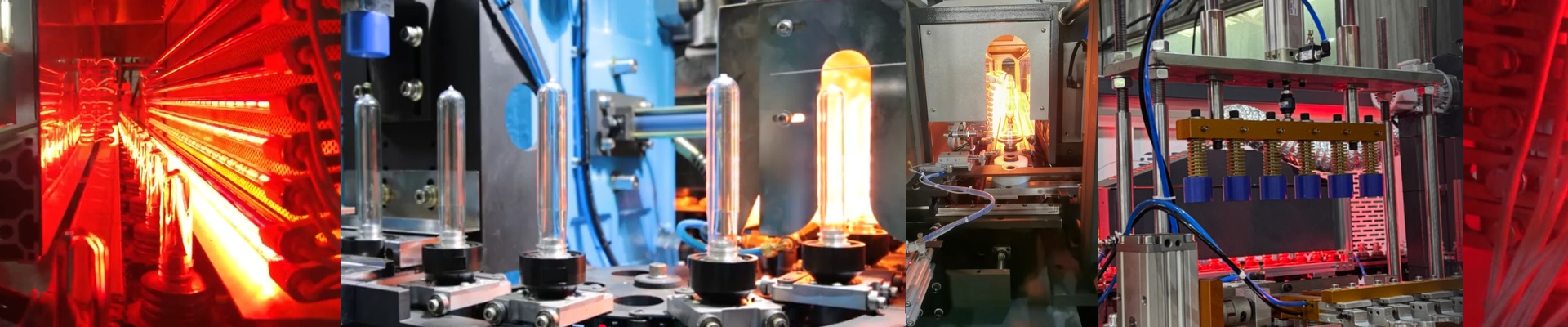
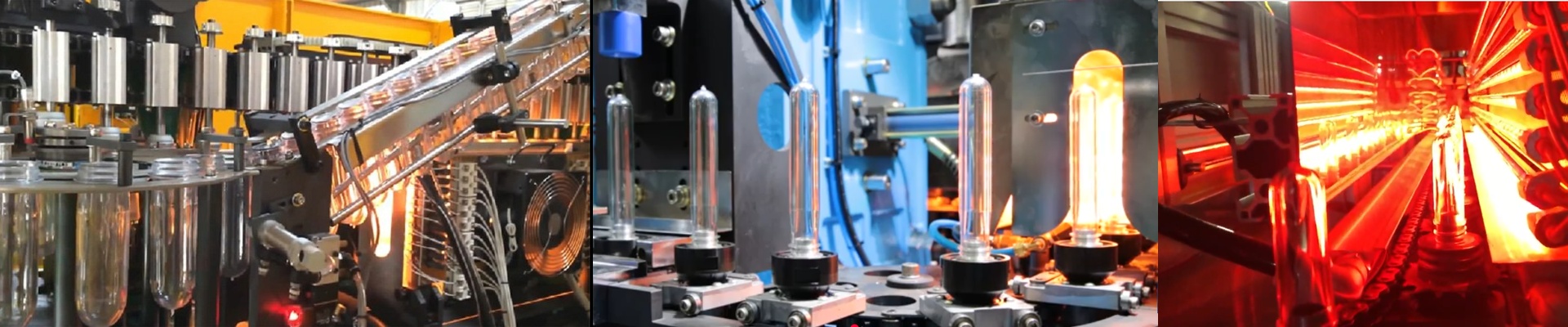
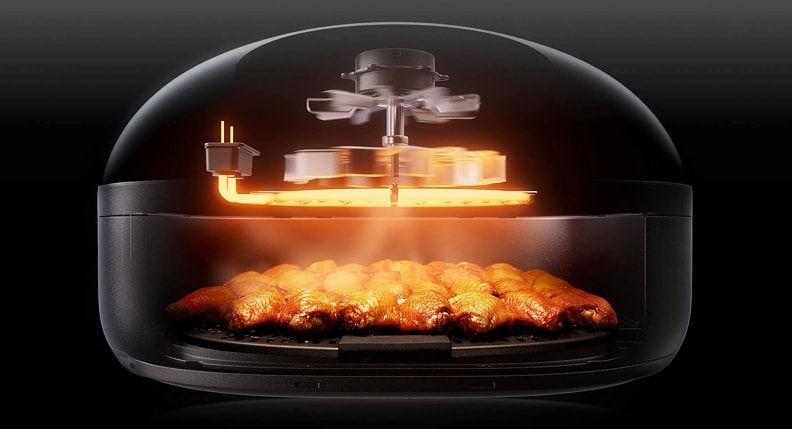
If you’re running a high-volume baking line, you know the frustration of the “bottleneck.” Most standard convection ovens just push hot air around. The problem is that air is lazy—it doesn’t move heat very efficiently. You end up wasting forever just waiting for the oven to ramp up, which kills your cycle speed. We fix that by swapping in (or adding) short-wave infrared lamps. Instead of waiting minutes for the air to get hot, you hit your target temperature in seconds. It’s fast. Really fast. And that changes everything for your workflow.
All the Power, None of the Lag
To get more parts moving per minute, you need a lot of heat packed into a tiny space. Traditional coils are slow. They have to “warm up” before they actually start working. But these IR lamps? They hit full power almost the instant you flip the switch. Because they use quartz tubes, the energy goes straight into the product. You aren’t wasting time heating up the empty air inside the oven cavity first. The product feels the heat immediately.
The Hardware Side of Things
We use high-purity quartz to keep the heat consistent. Now, depending on how fast your line is moving, we can tweak the coatings to change how the heat hits. Most of the time, clear quartz does the trick. But if you’re in a spot where every single watt counts, we use gold-coated reflectors so no energy escapes into the oven walls. The best part? The electrical side is simple. We use standard R7s or Sk15 bases. They’re basically drop-in replacements. You don’t have to rip out your wiring or redesign your whole system just to get more heat.
Speeding Up Without Burning Out
Once you switch to IR, you can tighten up your conveyor pitch and crank up the line speed. You get a sharp “hit” of heat that crusts the product faster, which means the whole bake time drops. But here’s the thing: this is an intense amount of energy. Since the heat is so concentrated, it gets hot—really hot—around the lamp housings. You’ll want to make sure your cooling fans and vents are up to the task. If you skimp on the ventilation, you’re looking at fried sensors and melted wiring. Keep it cool, and you’re golden.