In a busy bakery, a deck oven that takes forever to come up to temp isn’t just an inconvenience. It stalls your first bake, pushes proofed dough past its sweet spot, and quietly eats your labor and margins. And when the stone hearth runs uneven, you see it on the bread—pale crusts, inconsistent color, and a lot of second-guessing. You need heat that arrives fast and lands where you need it, every time.
What matters under the hood
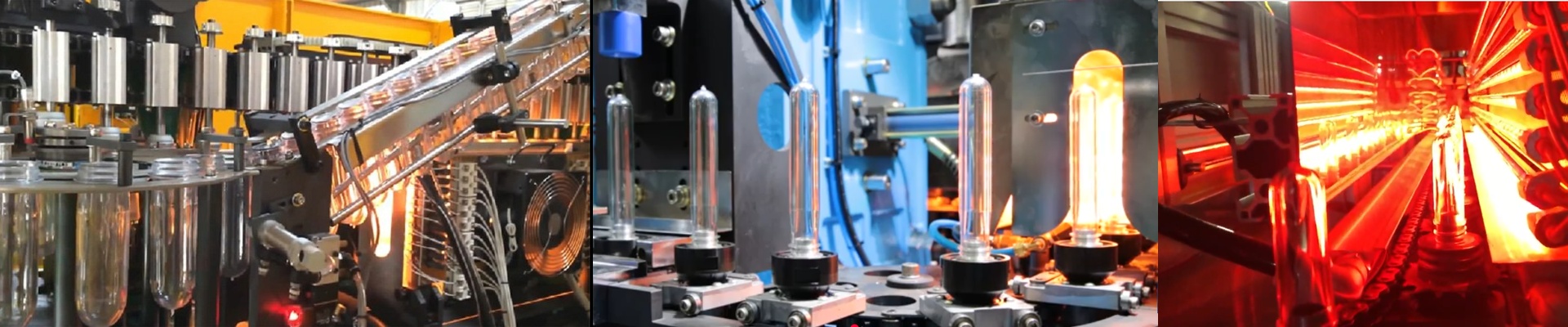
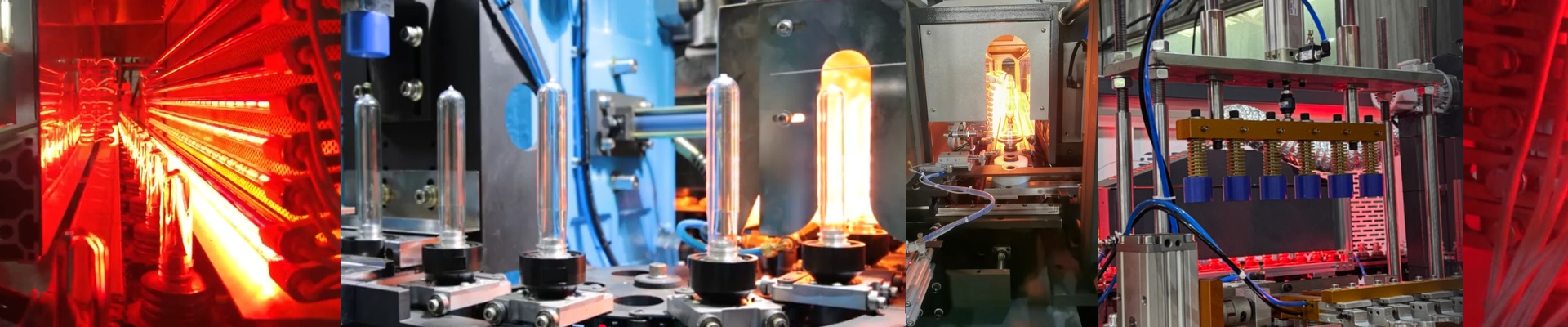
We built this element around carbon fiber and halogen tech, pairing a high-temperature carbon fiber core with a halogen-filled quartz sheath. The payoff is quick ramp-up and stable output inside the baking chamber. In practice, you hit set temperature up to 30% faster than traditional metal-sheath elements, and you get a fast recovery after door openings. The radiant profile is tuned for deck ovens, sending heat deep into the dough instead of just drying the surface, so crust blistering and caramelization come through more evenly from end to end.
Why this makes sense on the line
In a bread oven, speed and consistency are what keep your flow honest. Faster preheat shrinks the gap between oven light and first bake, so your proofing schedule doesn’t get wrecked. Once you’re in service, the element holds setpoint without chasing, and you get repeatable results tray after tray—fewer underbaked crusts, fewer overdone edges, and less rework. Energy use per bake cycle drops because the element spends less time idling and more time delivering targeted heat.
The practical details
Installation is straightforward, but you still need to match your oven’s terminal block, voltage, and mounting geometry. These elements run hot and radiate hard, so proper clearance to insulation and nearby components matters. They also like a clean baking chamber; heavy grease buildup will shorten service life. If your deck oven runs long cycles at high heat, plan on routine inspections and keep spare mounting hardware close by.