When service hits, your oven doesn’t get to negotiate. It has to nail setpoint fast, hold steady through rush after rush, and snap back between bakes. If the heating element hesitates, the line bogs down, crusts miss, and tickets pile up.
What matters under the hood
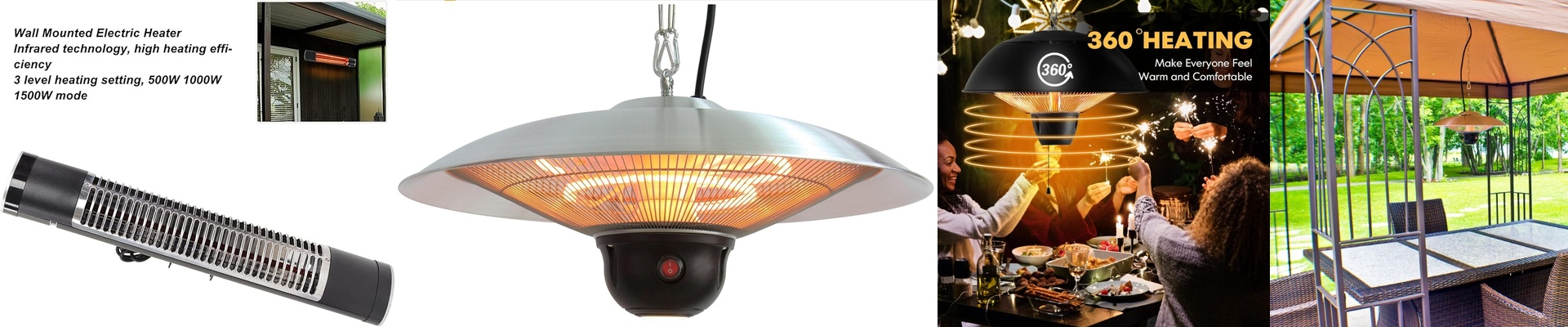
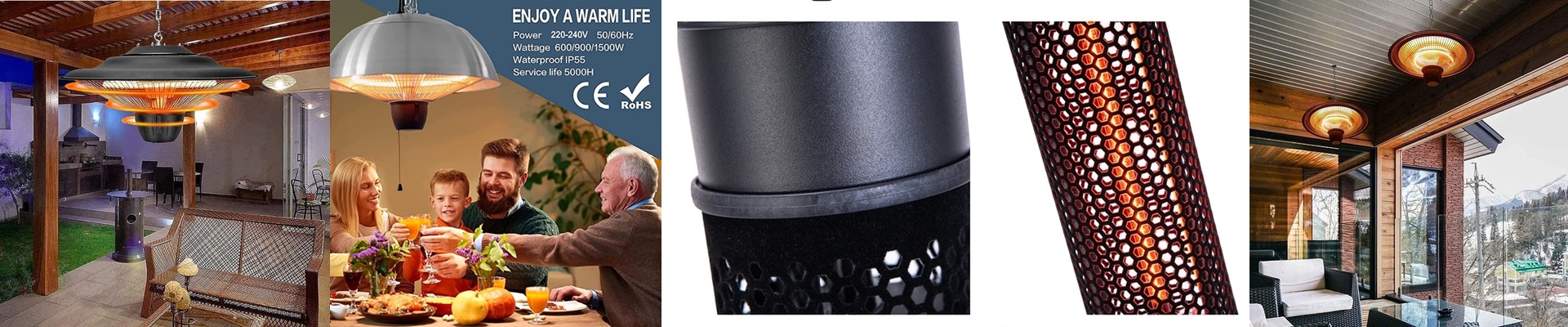
A ceramic restaurant oven heating element is built on a dense ceramic core, engineered for even, predictable heat. That translates to quick heat-up, solid temperature retention, and fast recovery after the door opens and closes. In real-world terms, you get fewer swings inside the baking chamber. Deck ovens stay true to stone hearth conditions. Rotary ovens hold consistent cavity heat. Convection ovens keep airflow stable without hot and cold pockets. The element’s high-temperature insulation and solid terminal connections are specced to survive the thermal cycling and humidity of a working kitchen. Repeated heat-up and cool-down will fatigue weak parts—this isn’t one of them.
Why this matters on the line
Commercial oven reliability comes down to uptime and repeatability. With this element, service stays on track: pizzas launch on schedule, bread bakes even across the deck, and sheet pans come out consistent instead of chasing hot zones. Fast recovery cuts the wait for temperature to return after loading. That shortens bake windows and pushes more output per hour. Stable heat also supports better crust development and caramelization, because the baking chamber stays steady instead of overshooting and correcting. Over a long service, that consistency means fewer re-fires, fewer quality swings, and less wasted product.
What to watch for
Ceramic elements perform best when the oven’s thermostat and airflow are in good shape. If the control response is off, service life can suffer. Installation has to match voltage, wattage, and terminal configuration. Give the element proper clearance and secure mounting—otherwise you’ll invite uneven heating and mechanical stress. Plan on periodic inspection. Kitchen dust, grease, and moisture can build up around the element and impact performance. Matched correctly, it runs long and predictable—but it still needs clean, stable operating conditions.