Engineering Rapid Heating: How Infrared Heaters Make Convection Ovens Sing
In a modern industrial kitchen, time isn’t just money—it’s everything. That’s why we built our convection oven infrared heaters to do one thing exceptionally well: get hot, fast. We’re not talking about a slow warm-up. We’re talking about hitting the target temperature almost instantly and then holding it steady, with no fuss.
Let’s talk about what’s under the hood
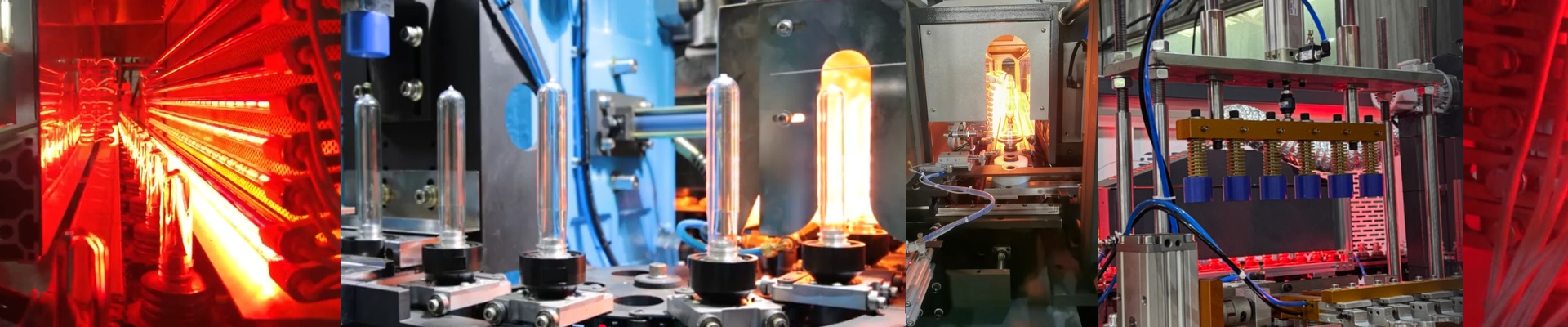
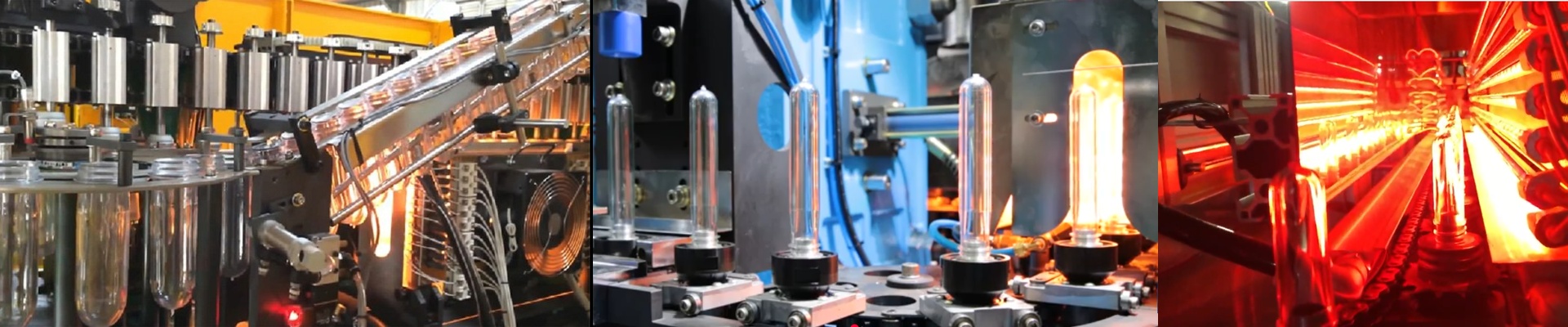
The star of the show is the infrared heater itself. It’s designed to deliver a serious blast of heat, right when you need it. To get that kind of power, we spec these units for high voltage—typically 400V. That’s what gives them the muscle to ramp up quickly. A standard 2500W output packed into a 300mm tube gives you the energy density you need. The payoff? It hits operating temperature almost instantly, way faster than old-school resistive elements. But here’s the thing with raw power—it asks for something in return. The electrical draw is heavy, and the surrounding parts feel the heat. So you need to make sure your machine’s cooling system is up to the task. If it isn’t, you’re just asking for components to wear out way too soon.
The materials that make it tough
We use a halogen-filled quartz tube. Why? Because it keeps the filament steady even when things get scorching. It resists burnout, even after repeated heating and cooling cycles. And the way the heat works matters too. Shortwave infrared doesn’t just warm the air—it penetrates surfaces directly. That’s why it pairs so naturally with convection. Then there’s the fit. The connectors are built for the job, with an R7s base that gives you solid, two-point contact. It handles high current without arcing, and it’s a simple drop-in replacement for standard industrial fittings. No complicated install. Just get it in, and get back to work.
Why this combo works in a convection oven
Inside a convection oven, the infrared heater and forced air become a team. The convection currents spread the heat evenly, while the infrared element delivers that initial, intense strike. Together, they cut cycle time dramatically. For engineers, that means you get more output without needing more space. You also get a system you can tune to fit your exact process. The temperature control is precise enough that you can customize the heating profile the way you want it. That’s why it’s become a go-to piece in smart, high-throughput food processing lines.
Built to take the hits
This setup is tough. It can handle the grind of the production line and keep going. Just remember—give it a machine that can handle the heat, and it will reward you with reliability, day after day.