Introduction
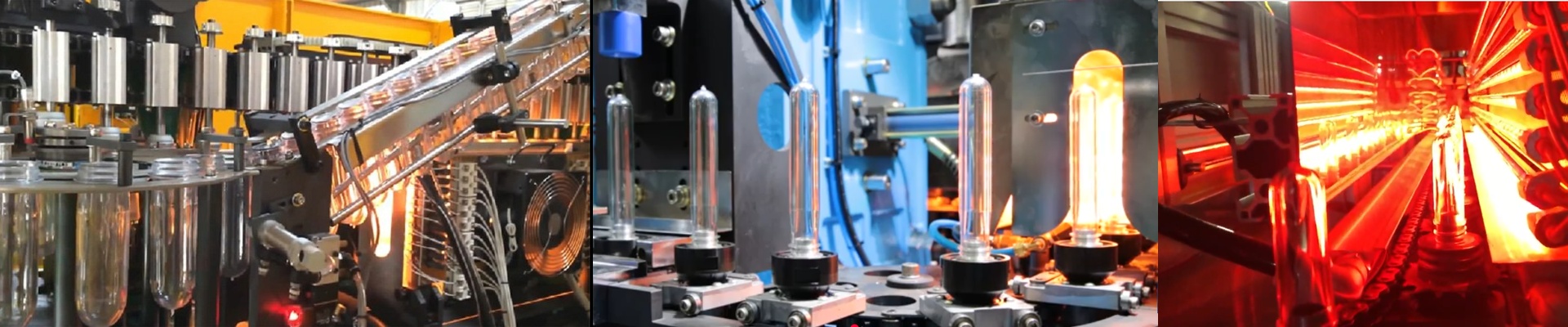
We built this infrared heater for one specific job: the heat bridge. And honestly? We designed it around one simple idea: speed equals efficiency. It gets hot the second you need it—and shuts off the second you don’t. No waiting. No lingering heat. It’s not about throwing raw power at the problem. It’s about control. The kind that makes your process feel calm and precise.
What’s Under the Hood
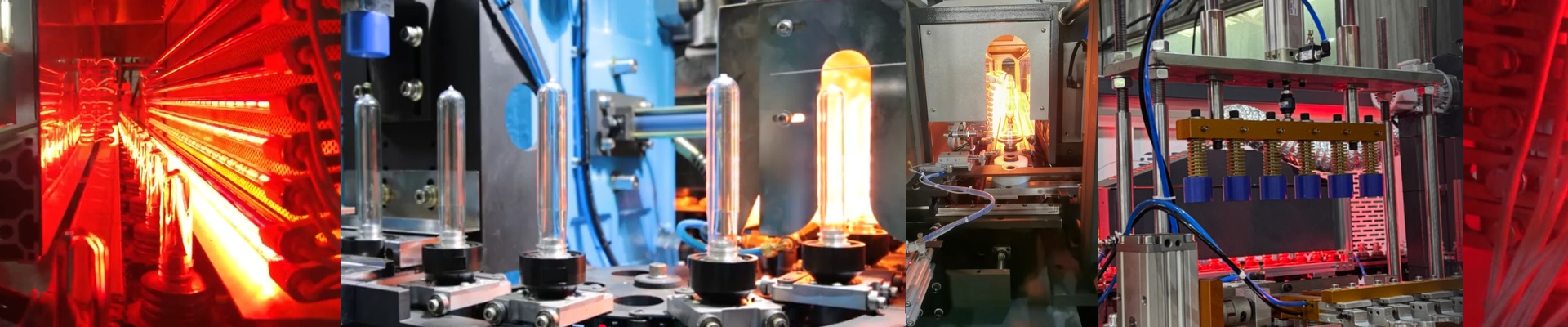
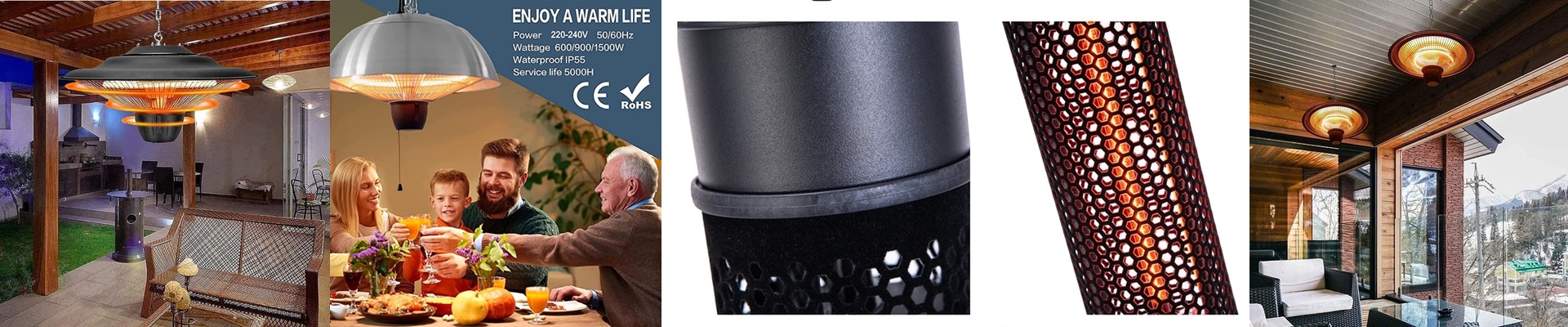
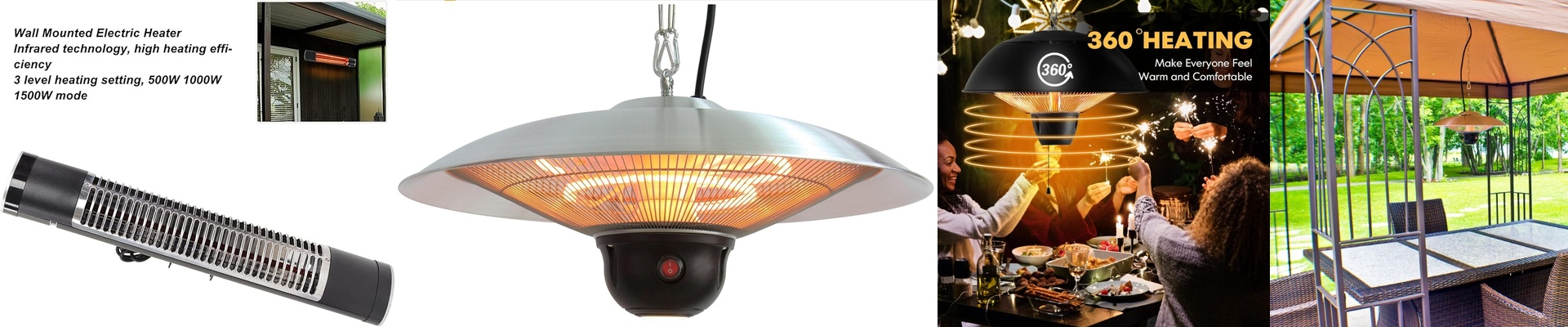
Here’s the thing: this heater was born for intense, focused energy. It runs on 400V, and it pulls the power it needs to hit high heat fast. Yet it’s surprisingly compact—about 300mm long. That short tube concentrates the heat into a tight beam, so you’re warming the target, not the whole room. For a heat bridge, that means the temperature climbs exactly where you need it, without wasting energy on the surrounding equipment. And yes, the electrical design can handle the jolt of a rapid start-up without blinking.
Materials and Build
The heart of it is a shortwave infrared halogen element, tucked inside a high-purity quartz tube. That material choice matters because it can go from cold to full heat in seconds—without cracking under thermal shock. Inside, halogen gas keeps the filament protected, which helps the heater last longer. The whole assembly is coated, too, so the quartz stays shielded from dust, moisture, and the grit of the shop floor. And when it comes to installing or swapping out parts, we use an R7s connector. It’s a standard industrial connection that’s sturdy and quick. No tools needed. Just a fast, reliable swap so you can get back to work.
How It Performs—and What to Keep in Mind
On a heat bridge, the big payoff is energy savings, plain and simple. Traditional heaters keep burning power just to hold a temperature. This one only draws power when it’s actually heating. Now, that power comes as concentrated heat. A 400V, 2500W tube delivers serious heat density, so your cooling system needs to be up to the task—you want to keep ambient temps in check. It drops right in as a replacement for older systems, but you’ll want to make sure your electrical setup and cooling capacity match the unit’s output. When they do, you’ll see the payoff immediately: fewer kilowatt-hours used, cycle after cycle.