Why You Actually Need Second-Response IR in Your Oven
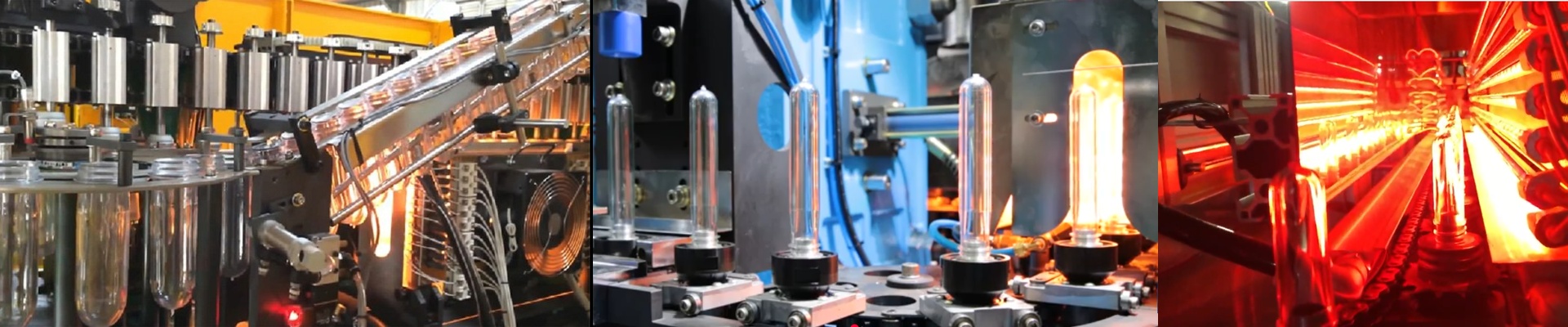
Most heating elements are slow. They heat the air, and then the air eventually heats your food. In a busy kitchen, that lag is a nightmare. It kills your rhythm. We do things differently. We use shortwave infrared (IR) emitters that skip the air entirely and hit the surface of your product directly. We call it “second-response” heating. Basically, the moment you flip the switch, the heat is there. No waiting. No guessing.
The Magic of Instant Heat
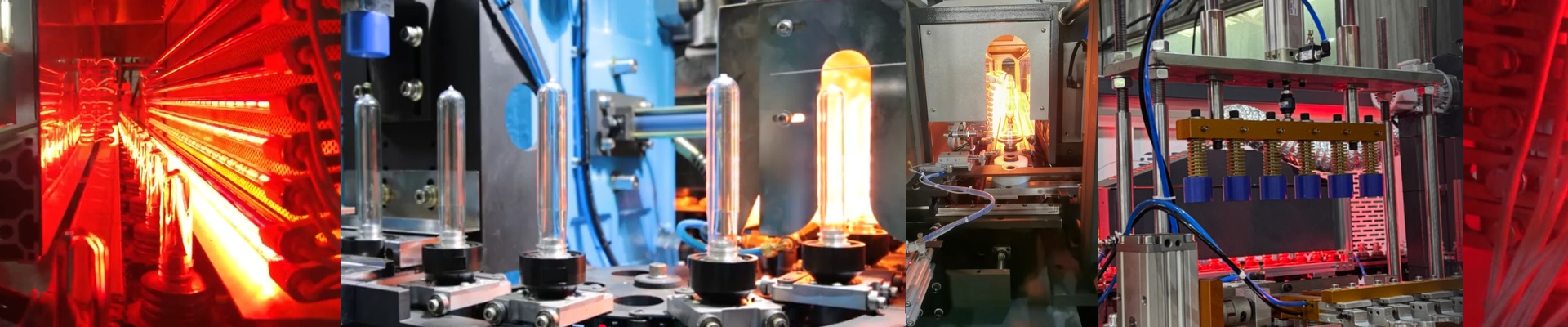
Here is the thing: these emitters work on a shortwave spectrum. While other systems take forever to warm up, shortwave IR digs deeper and reacts way faster. Think about it. If you need to flash-sear a crust or sterilize a surface, you can’t afford to stand around for five minutes waiting for a coil to glow red. Our tubes use a high-density tungsten filament wrapped in quartz. It cuts out all that heavy “thermal inertia.” You get a massive spike of energy right away, which means you can push more product through your line without breaking a sweat.
Getting the Hardware Right
We built these things to handle the chaos of a real commercial kitchen. The quartz glass is tough, so it won’t crack when the temperature jumps up and down. Usually, these are wired into high-frequency controllers to keep the power steady. But a word of caution: this heat is intense. If you cram a high-wattage emitter into a tiny space without enough airflow, you’re asking for trouble. You could melt your wiring or warp the oven frame. Just make sure your fans and heat shields are actually rated for the wattage you’re using.
Setup and Keeping it Running
We kept the footprint small. That means you can usually just drop these into your old, sluggish systems without a total overhaul. Since they react in seconds, you can target specific spots for sterilization without turning the whole oven into a sauna. It saves a lot of electricity. The only real rule? Keep the quartz tubes clean. If grease builds up on the glass, it blocks the IR waves. That creates hot spots, and that’s how you blow a tube. Keep them sparkling, and they’ll take care of you.