Why the Best Bakers are Switching to Infrared Rotary Ovens
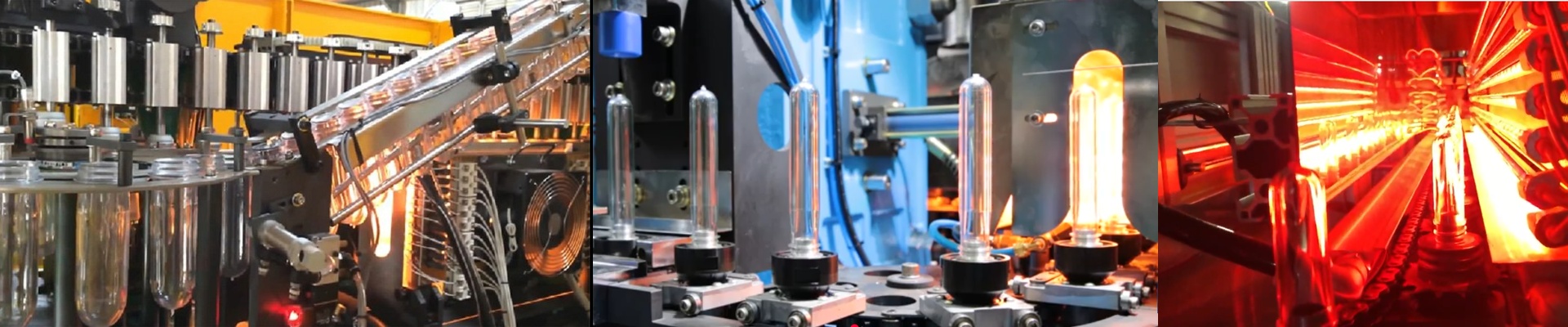
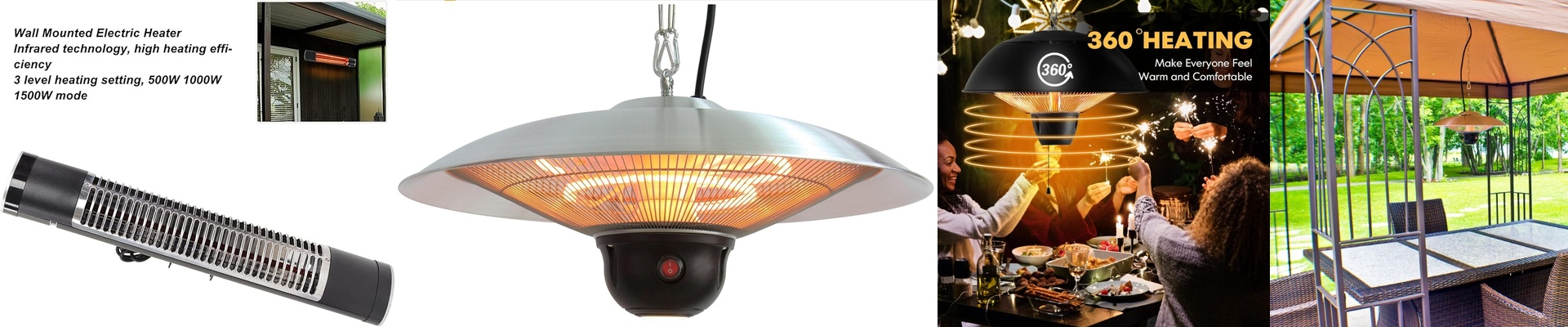
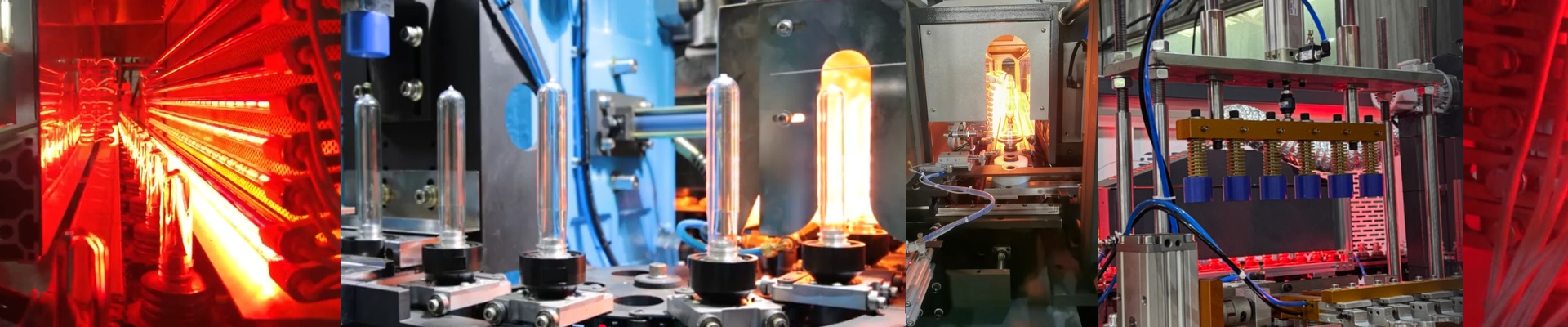
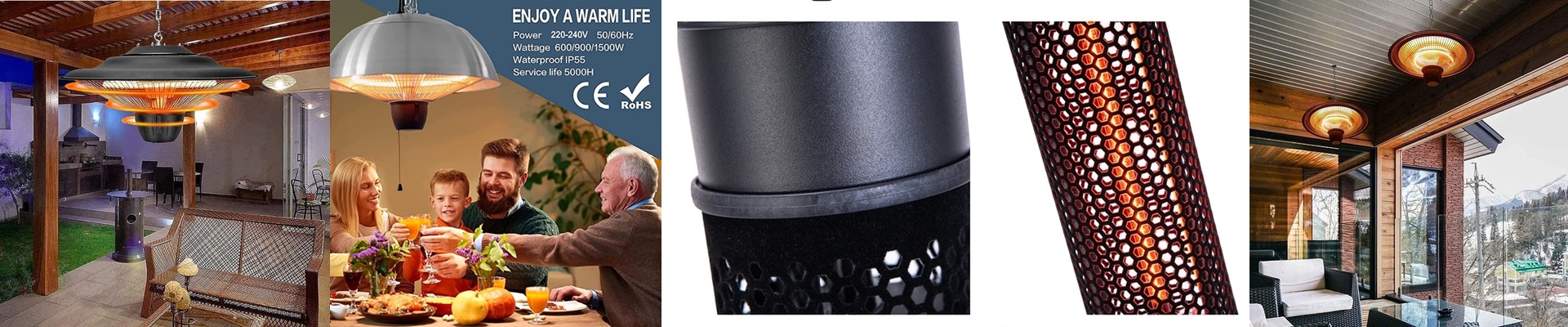
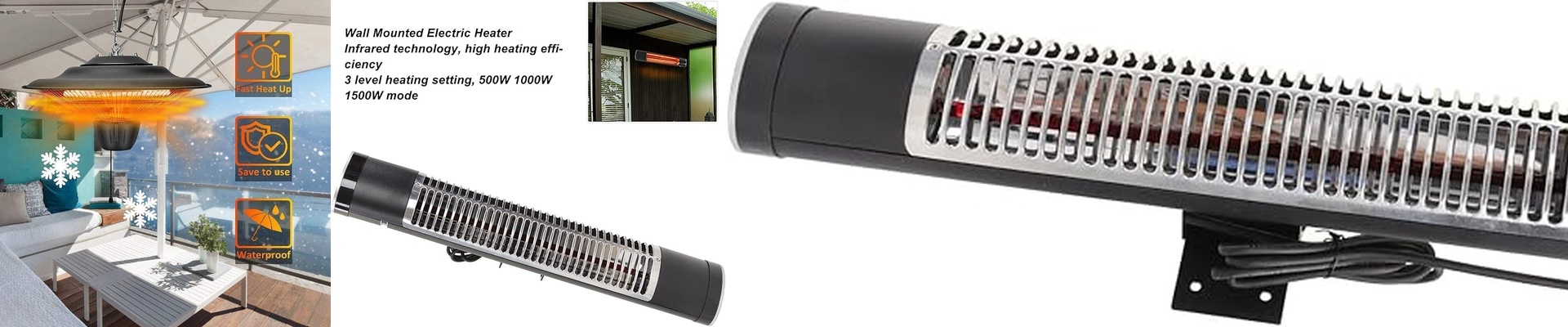
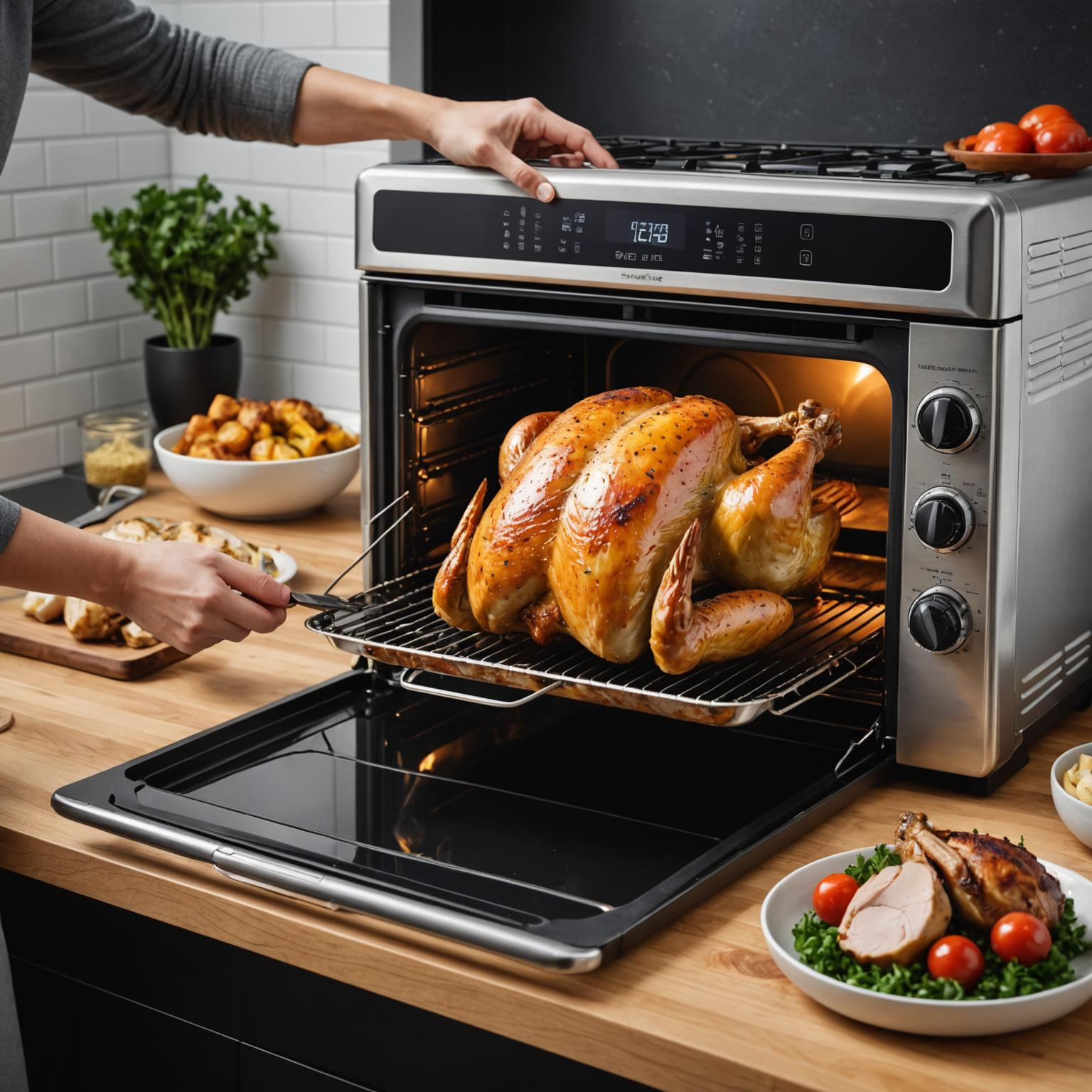
If you’ve spent any time with a standard convection oven, you know the struggle. You rely on air to move the heat around, but in a big rotary setup, that air doesn’t always play fair. You end up with those annoying cold spots or some loaves that just won’t brown evenly while the rack spins. That’s why we added ceramic infrared heaters to the mix. Instead of just warming up the air and hoping for the best, these heaters send out short-wave radiation. It goes straight into the dough. No middleman. The magic of the heat We use high-wattage ceramic elements because they hit hard and fast. The moment your bread hits the oven, that infrared energy is already working. The result? Your crust sets faster and you get a much better oven spring. It’s a huge win for your workflow. Just a heads-up: if you’re running these at full blast, make sure your ventilation is up to the task. You don’t want your control board overheating just because the oven is working overtime. Built for the chaos of a kitchen Bakery environments are rough. You’ve got humidity, flour dust everywhere, and constant temperature swings. To handle that, we wrap the heating coils in high-alumina ceramic. It protects the internals from the grime and distributes the heat way more evenly than a bare coil ever could. These things are built to take a beating—expanding and contracting every single time the oven cycles on and off without breaking a sweat. The honest trade-offs Here is the best part: you can practically forget about those long, grueling pre-heat cycles. Since the infrared energy is instant, you can get moving much faster. But, let’s be real—ceramic is fragile. If you accidentally whack one during a deep clean, it can crack, and then the element is toast. To stop that from happening, we tuck them into recessed brackets. It keeps them safe from the rotating racks and makes it a breeze to slide in a replacement when the element eventually wears out. Simple.