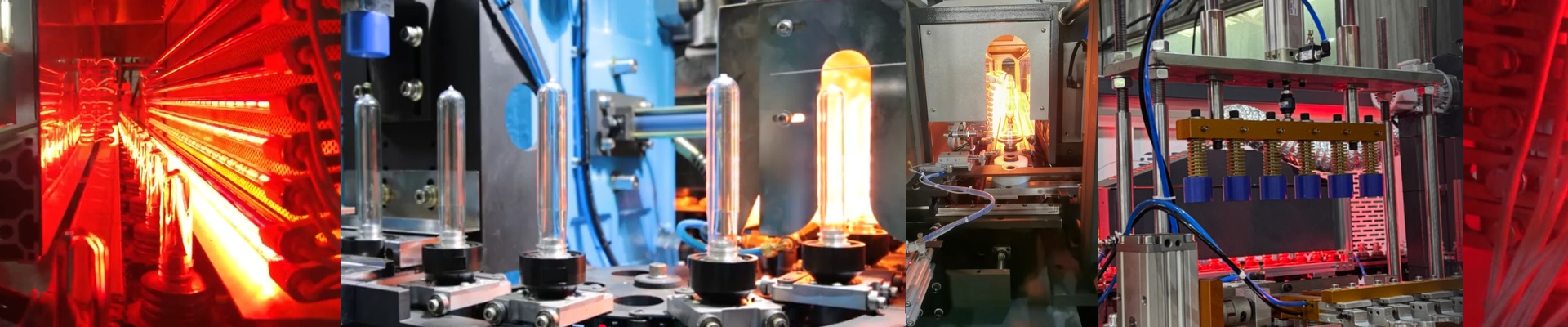
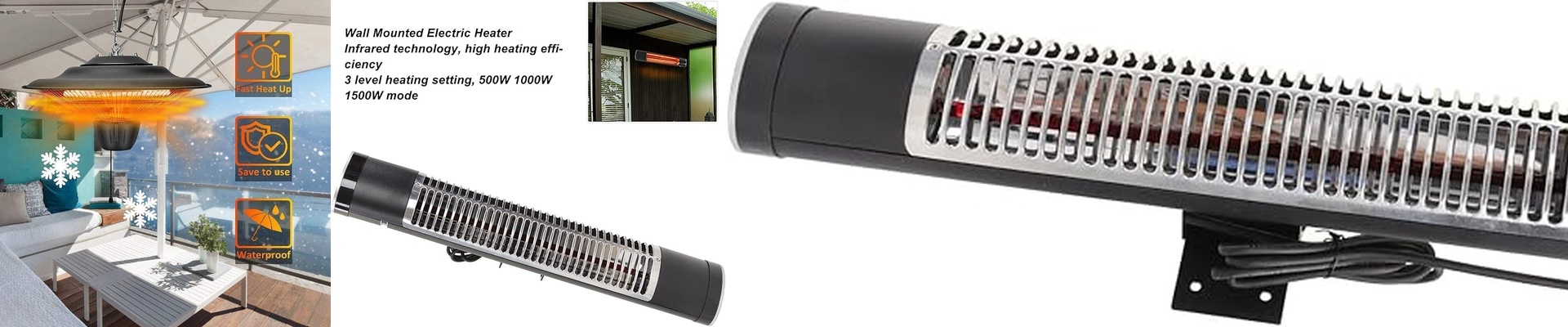
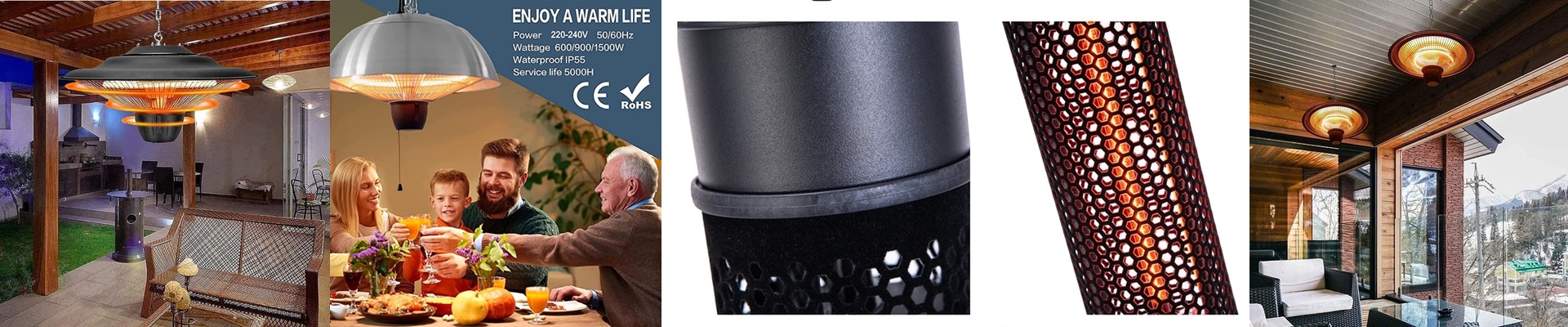
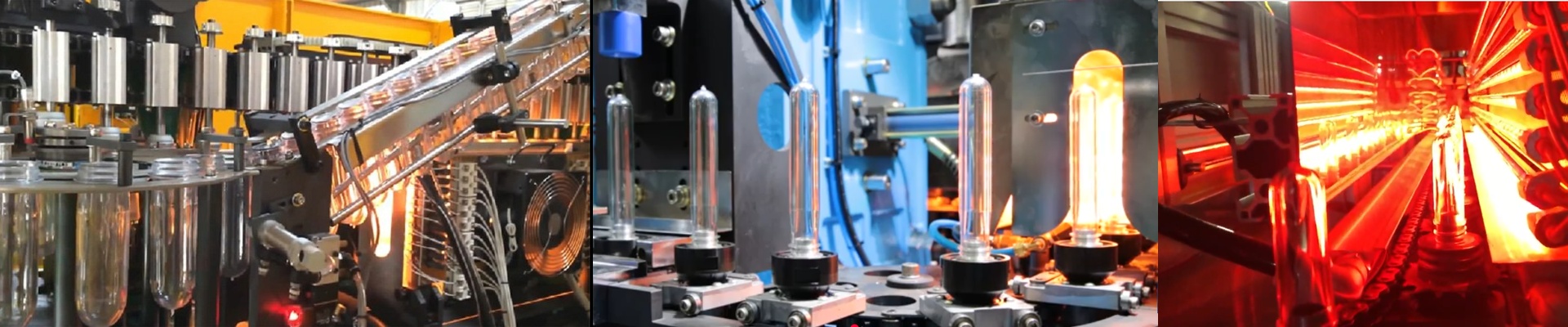
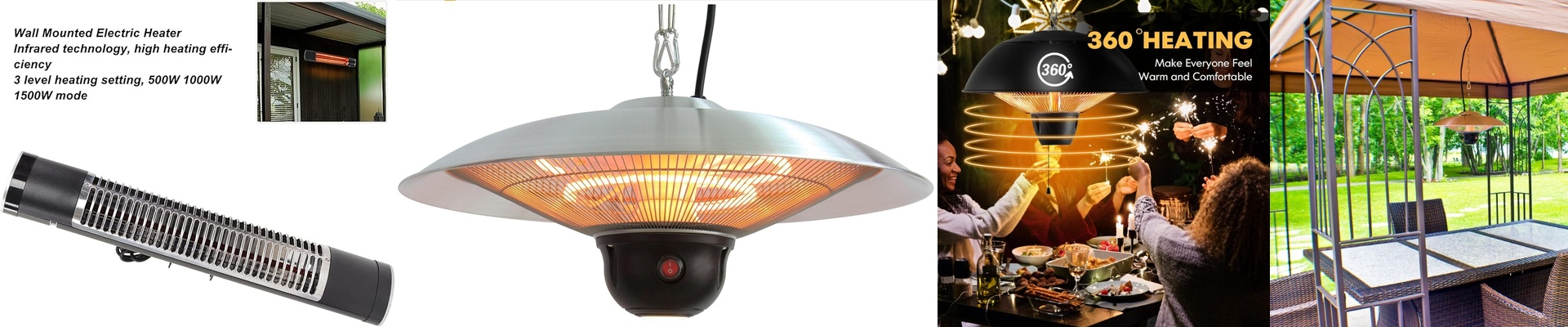
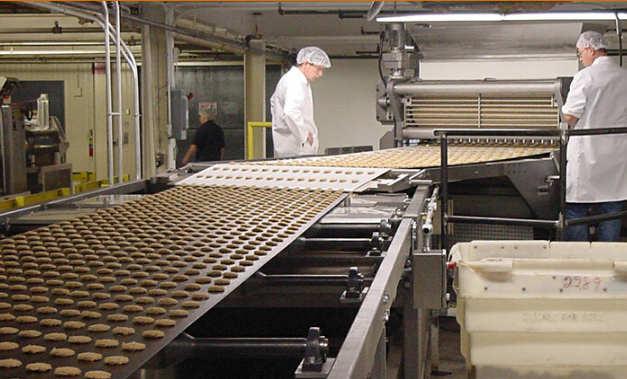
In a busy commercial kitchen, timing and temperature are everything. When a deck oven can’t hold steady heat, or a rotary oven takes too long to recover, you lose the crisp crust and consistent color your customers expect. That’s where far infrared carbon fiber infrared tubes make a tangible difference. What matters technically These tubes deliver far infrared radiation—gentle, deep-penetrating heat that targets dough and toppings without scorching the surface. The carbon fiber core heats fast and holds stable output, so the baking chamber settles at the set temperature with less swing. In practice, you get faster recovery after door openings, more even heat across the stone hearth, and better control when you’re running back-to-back bakes. The payoff is predictable caramelization, even doneness, and fewer pies that are under- or over-baked. Why it works in the machines you run On a deck oven, the far infrared profile helps the crust set quickly while the interior finishes without drying out. In a rotary oven, the rapid response shortens bake windows and boosts capacity per hour. Convection ovens benefit, too. The infrared tubes complement airflow, smoothing out hot spots and cold spots. You’ll see faster heat-up from a cold start, lower energy use per bake cycle, and less downtime waiting for the oven to restabilize. Here’s what to watch on the install Mounting and clearance matter. Use proper reflectors and get the spacing right—otherwise you’ll end up with hot bands and uneven baking. These tubes run hot, so the wiring, terminals, and oven insulation have to be rated for the load. If your oven has older sockets or undersized wiring, you’ll often need a quick upgrade. Plan the install with your service team, and you’ll get consistent performance shift after shift.