Getting More Heat Out of Your Sidel SBO 20 Series 1
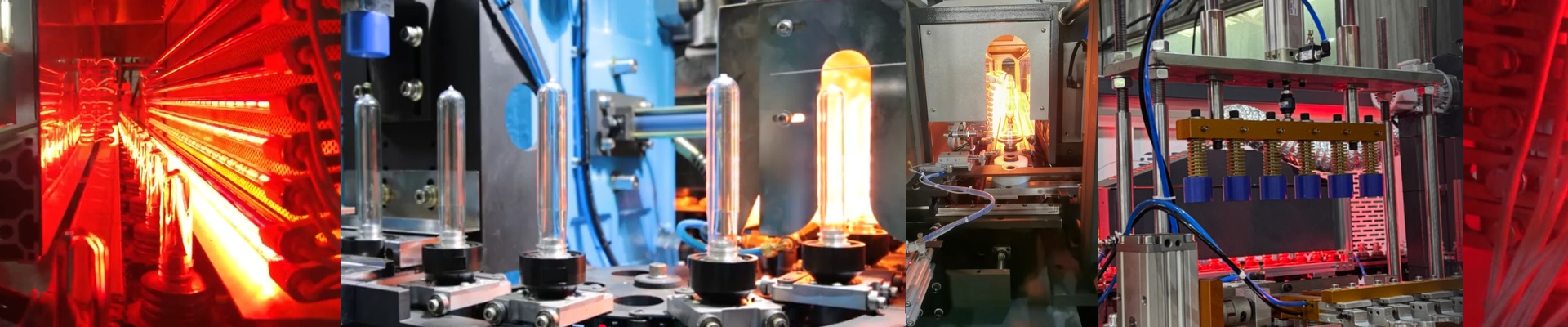
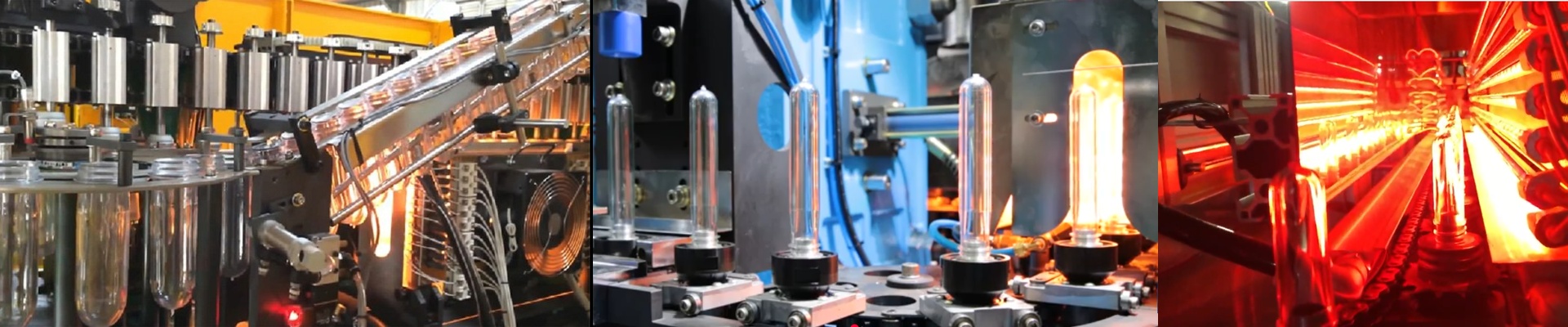
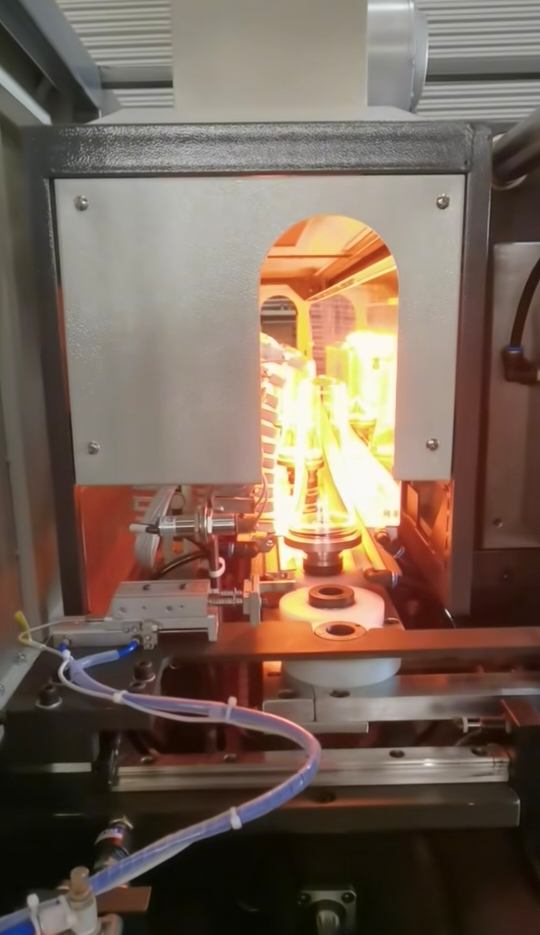
If you’re running an older Sidel SBO 20 Series 1, you know the struggle. As those original lamps age, the heating starts to get flaky. You end up fighting with inconsistent preforms, and it’s a headache. But here’s the thing: you don’t actually need to rip out the whole oven to get your output back up. You just need to swap those tired infrared elements for some high-density replacements. How it actually works The SBO 20 uses shortwave infrared to get through the PET wall. We make sure our replacement lamps fit the exact electrical footprint of the original Sidel setup, so there’s no guesswork. When you move to a higher wattage or a tighter voltage match, you’re basically cranking up the heat flux. The preform hits that perfect blowing temperature much faster. And when that happens? You can finally push the machine speed a bit higher. The nitty-gritty on quartz and connectors We use heavy-wall quartz glass. Why? Because cheap glass sags when things get hot, and that ruins everything. We also stick to R7s or SK15 connectors. It sounds like a small detail, but a loose fit is a disaster. It leads to arcing, and before you know it, your sockets are burnt out. If you want a bit more punch, we have coated options. These reflect certain wavelengths back into the filament, making the surface hotter and the heat projection more intense. It’s a simple drop-in swap, but it completely changes how the PET absorbs that energy. The reality check Now, more heat isn’t a magic button. There’s a trade-off. If you install higher-wattage lamps to bump up your bottles per minute, your cooling blowers are going to have to work overtime. If your vents are clogged or just too small, you’ll start seeing scorched preforms or annoying “hot spots.” It’s a balancing act. You’ve got to tune your air-cooling settings to match the new lamp output. Do that, and your wall thickness stays uniform across the board.