



Why Your Waterproof Heaters Keep Dying (and How to Actually Fix It)
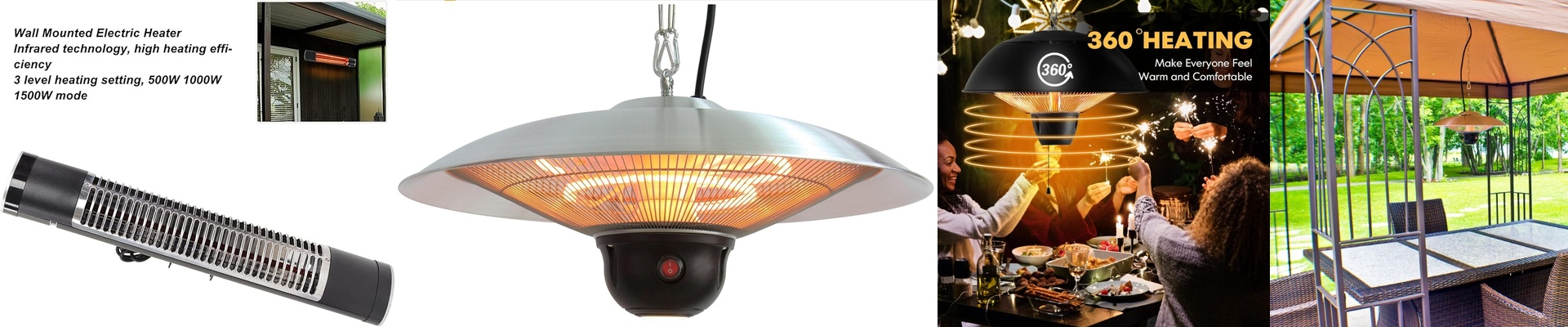
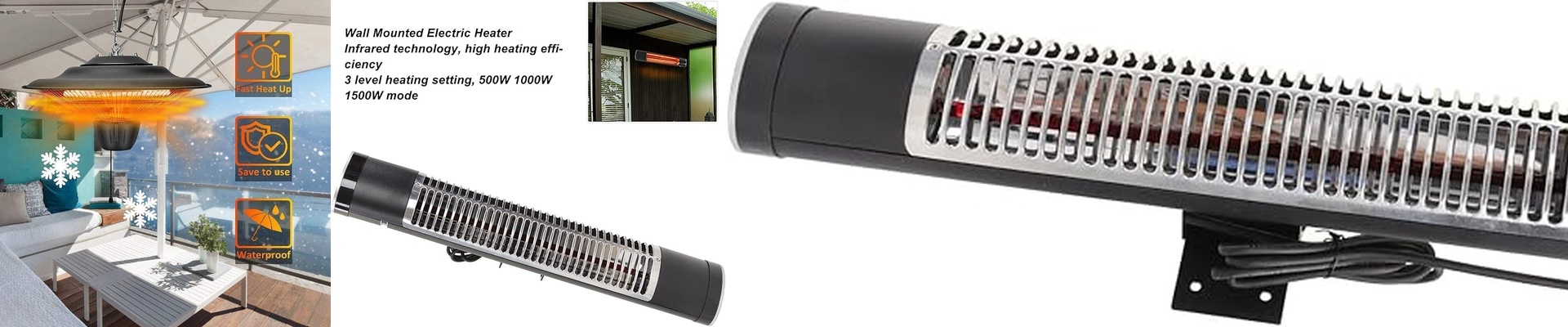
Here is a little secret about Electric patio heaters: it’s almost never the heating element that gives out. Usually, the whole thing crashes and burns right where the wire enters the unit. When you’re building something meant to survive the rain, that entry point is your biggest headache. You’ve got moisture trying to get in, and the heater is swinging from freezing cold to scorching hot. That constant tug-of-war makes the insulation crack and the copper turn green with oxidation. Eventually, something sparks, it shorts out, and your heater becomes a very expensive paperweight. The heat is the real killer. Most cheap heaters just use a blob of silicone or a plastic grommet to seal the gap. That works for a while, but not when you’re dealing with 500°C spikes. The heat basically “cooks” the sealant until it’s as brittle as a potato chip. Once a tiny crack forms, humidity slides right in. The wire insulation shrinks, pulls away from the terminal, and that’s when the trouble starts. So, we do things a bit differently. First, we stop using basic wires. We go with high-temp fluoropolymer or glass-fiber braiding—stuff that won’t melt when the tube hits its peak. But the real trick is the seal. Instead of just gluing it shut, we use a compression-fit ceramic or high-grade silicone sleeve. It creates a physical wall that water just can’t get past. The tricky part? The “transition zone.” You need a seal that’s tight enough to stop a rainstorm, but flexible enough to move. Metal expands when it gets hot. If your seal is too rigid, the metal will literally snap it right off during a heating cycle. It has to breathe. Now, there is a catch. When you seal a unit this tightly, you’re basically trapping heat around the lead wires. You get a waterproof heater, but you lose that natural airflow that keeps things cool. If you don’t give your electronics enough room to vent or use a proper heat sink, you’ll end up cooking the internal wiring anyway—even with a perfect seal. It’s all about that balance.