
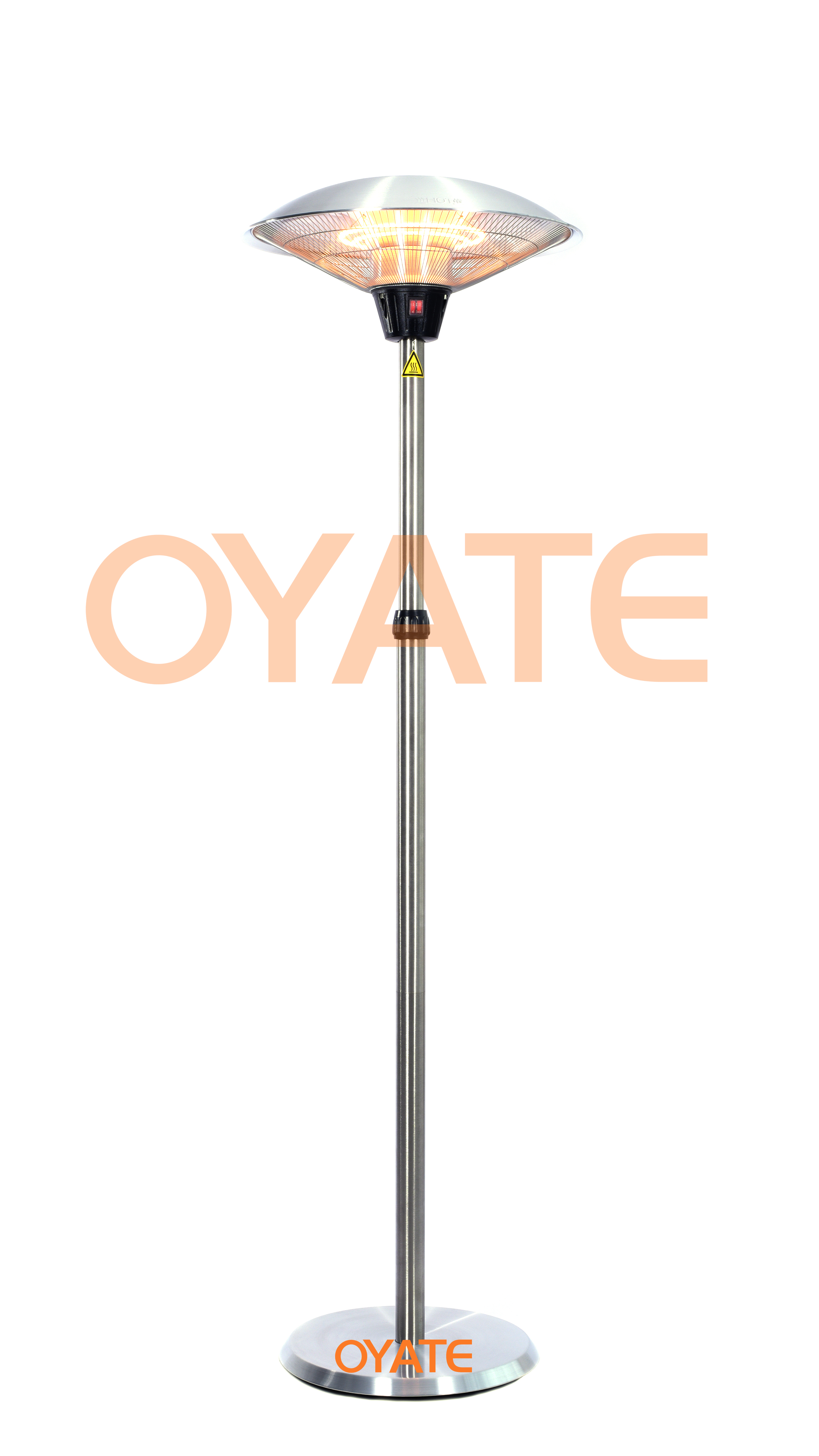
Why Your Bathroom Heater Actually Needs an IPX5 Rating
Let’s be honest: most of those old-school bathroom heat lamps are kind of a joke. They aren’t really sealed, and in a room full of steam and splashing water, that’s a recipe for disaster. That’s why we’re moving toward IPX5 infrared heaters. It just makes sense when you think about the physics of a shower. Steam and direct sprays eat electronics for breakfast. What’s the deal with IPX5? Basically, it means the unit can handle a direct hit from water jets at any angle and keep on ticking. In a bathroom, it’s not just about a few accidental splashes. It’s about keeping moisture out of the wiring and the heating element. If water hits a red-hot filament or leaks into a loose housing, you’re looking at a short circuit or a dead heater. We seal these units tight so the guts stay bone-dry, even if the shower is running full blast right next to it. Infrared vs. the old stuff Most traditional heaters try to warm up the air. It’s slow, and honestly, it’s a waste of power. Infrared is different. It doesn’t care about the air; it goes straight for you. It uses short-wave radiation to warm your skin instantly. You don’t have to stand around shivering while you wait for the room to heat up. You just feel it. Immediately. A few things to keep in mind for the install If you’re putting these into a renovation, don’t try to shortcut the wiring. You’ll need a dedicated circuit—no extension cords here. Also, because these units have heavy-duty gaskets and reinforced casings to keep the water out, they’re a bit bulkier than those flimsy old lamps. Just make sure you’ve got enough room in your ceiling before you commit. One last tip: these things put out a serious amount of heat in a very concentrated spot. If you mount them too low, it’ll feel like you’re standing under a heat lamp at a buffet—way too intense. To get that perfect, cozy glow without feeling scorched, we suggest leaving at least 2.1 meters of clearance. It’s the sweet spot for safety and comfort.