Why Most Bathroom Heaters Die (And How We Fixed Ours)
Let’s be honest: bathrooms are a nightmare for electronics. You’ve got thick steam, random splashes of water, and those wild temperature jumps when you step out of a hot shower into a cold room. Most infrared heaters just aren’t built for it. They rust, they short out, and usually, they’re dead within a couple of years. We got tired of seeing that happen, so we built something that actually lasts.
Keeping the wet stuff out
Here is the problem with standard heaters: water vapor is sneaky. It finds its way inside the housing, eats away at the terminals, and kills the heating element. To stop that, we sealed the whole chassis. We used heavy-duty gaskets and seals that act like a shield, keeping the steam and splashes away from the electrical guts. And it’s not just about the seals. We also focused on the “dew point.” If water beads up on the lens, it creates these tiny hot spots that can actually crack the glass. We designed our units to keep a steady surface temperature, so the condensation never gets a chance to start. No beads, no cracks. Simple.
The tough stuff
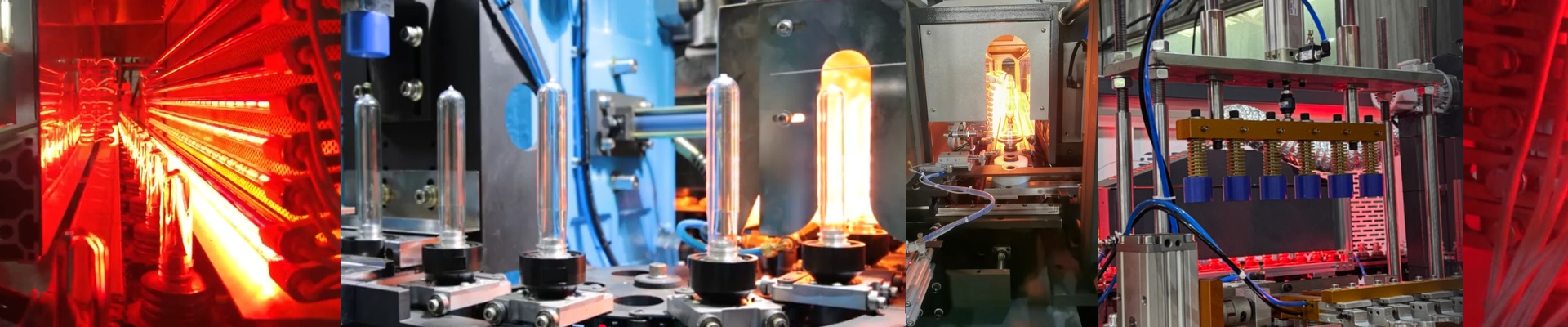
We didn’t stop at the seals. We used reinforced quartz glass and a special coating on the reflector. Why? Because bathroom cleaners and constant humidity tend to peel the mirror finish off cheaper units. Ours stays shiny. Even the wiring is different. We used high-temp silicone for the insulation. Standard plastic gets brittle and cracks over time when it’s heated and cooled repeatedly. Silicone just handles it. Now, there’s a trade-off. When you seal a unit this tightly, it’s harder for air to move. To make sure the internals don’t cook themselves, we tweaked the heat sink. It keeps the driver cool without letting the moisture in. It’s a delicate balance, but it works.
Set it and forget it
When you’re wiring these in, you can breathe easy. Because the terminals are sealed, you don’t have to worry about steam causing a spark or a short. Most of these heaters have a “failure cycle” of about two years. We aimed for something closer to industrial grade. If you’re tired of replacing cheap units that can’t handle a little humidity, this is the way to go. It just takes the beating and keeps on warming.