
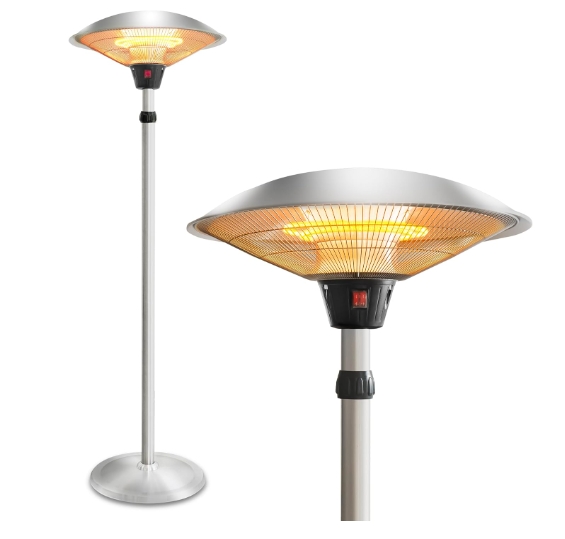
Keeping Things Warm (Without Blinding Your Guests)
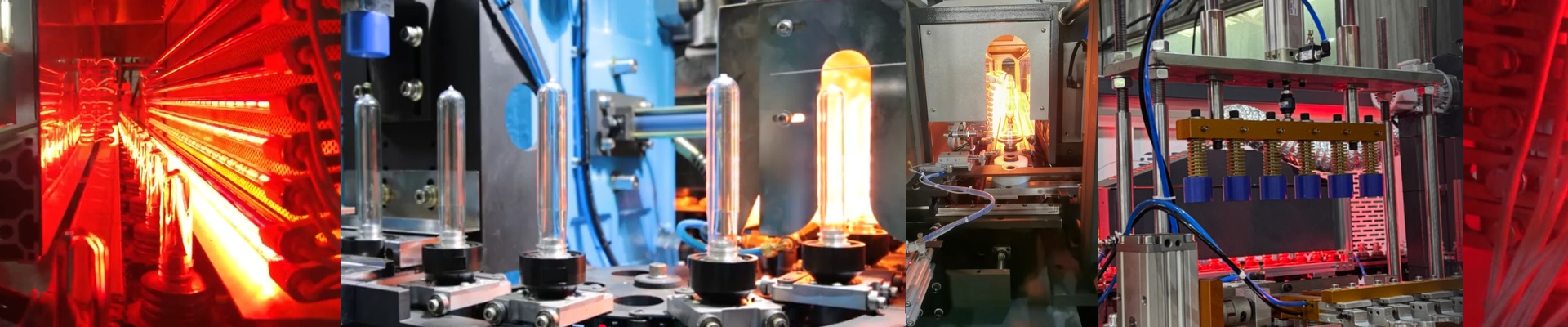
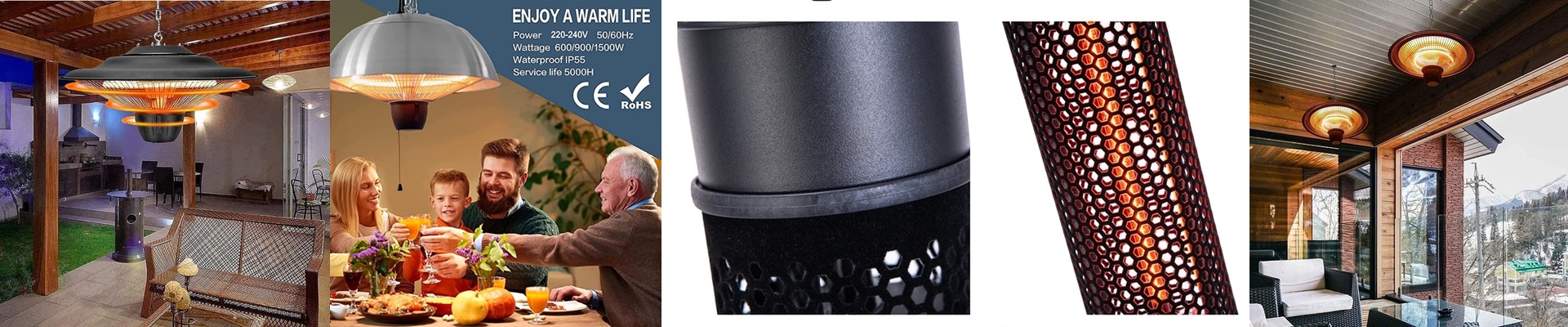
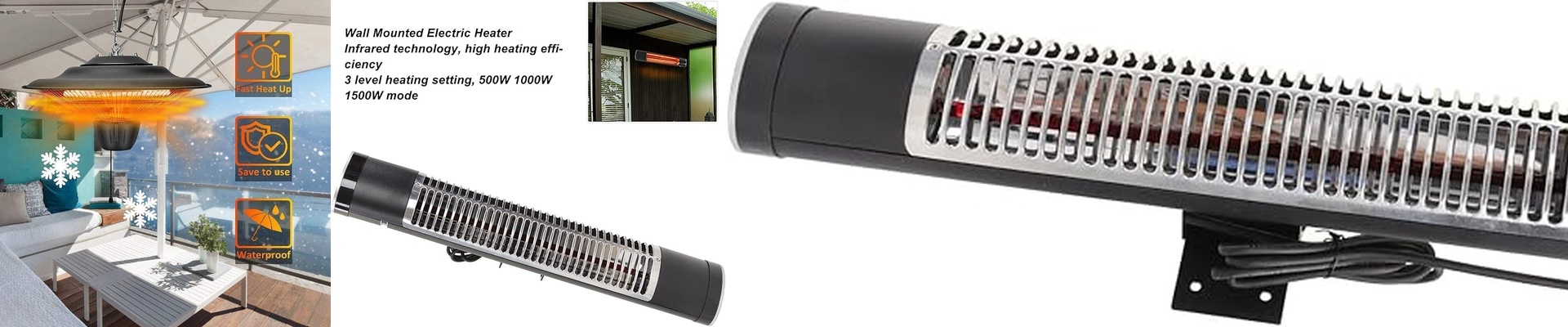
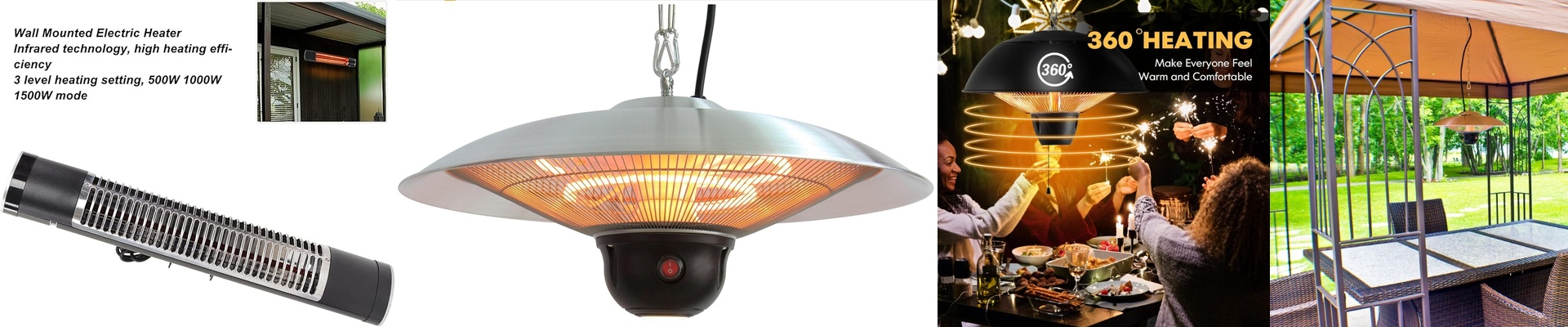
When we’re putting together infrared heaters for bathrooms or patios, we usually run into one big problem. It’s not the heat—it’s the light. Standard short-wave lamps are basically blinding. They blast this harsh white light that can really mess with your eyes, and it’s even worse for babies whose vision is still developing. Nobody wants a heater that feels like a stadium floodlight in their bathroom. The trick is in the spectrum. We use a specific mix of quartz and internal coatings to filter out that aggressive, high-frequency light. By shifting things toward the long-wave range, the heat goes straight to your skin without the glare. Now, there is a trade-off. These don’t snap on instantly like a halogen tube; they take a little longer to warm up. But honestly? That’s a small price to pay for not risking your eyesight. Fighting the steam Bathrooms are a nightmare for electronics. Between the steam and the occasional splash, things tend to short circuit pretty quickly. That’s why we stick to the IP55 standard. In plain English: the housing keeps dust out and can handle water jets hitting it from any angle. We also use high-temp gaskets to seal the electrical junctions, so moisture doesn’t sneak into the wiring and cause a headache. Getting the setup right Before you install one, make sure your circuit can actually handle the wattage. You don’t want to be tripping your breaker every time you want a warm shower. Because we use a softer light spectrum, the heat spreads out more. It’s not like a heat gun that blasts one spot. You’ll need to mount it at the right height so the warmth covers the whole area comfortably instead of just baking one person’s shoulders. One last tip: don’t go overboard with the wattage in a tiny room. If you put too much power in a small space, the air gets stuffy and oppressive. Just match the wattage to the actual size of your room, and you’ll get that perfect, cozy glow.