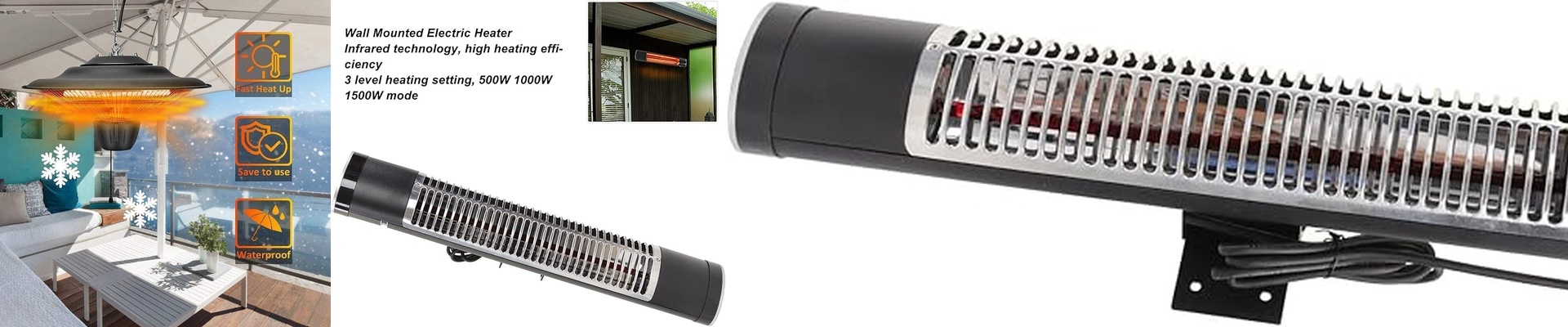
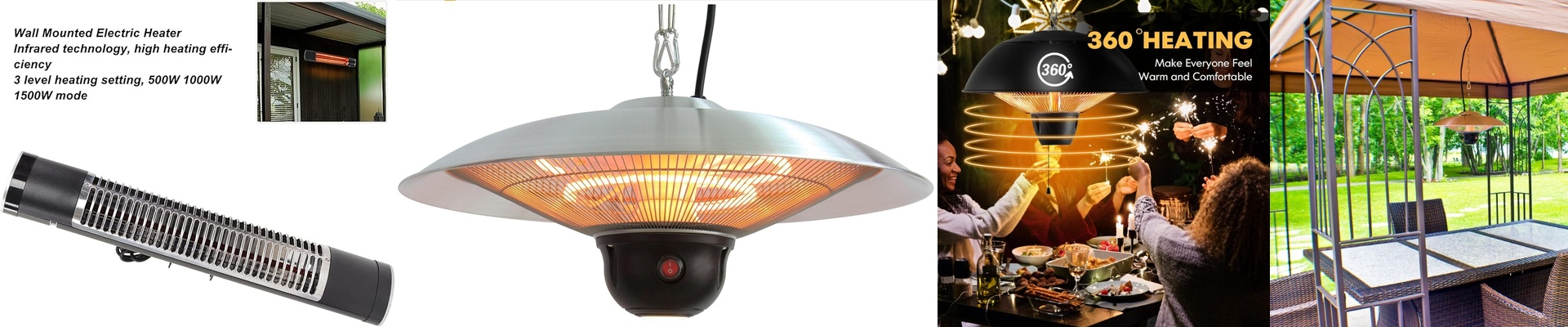
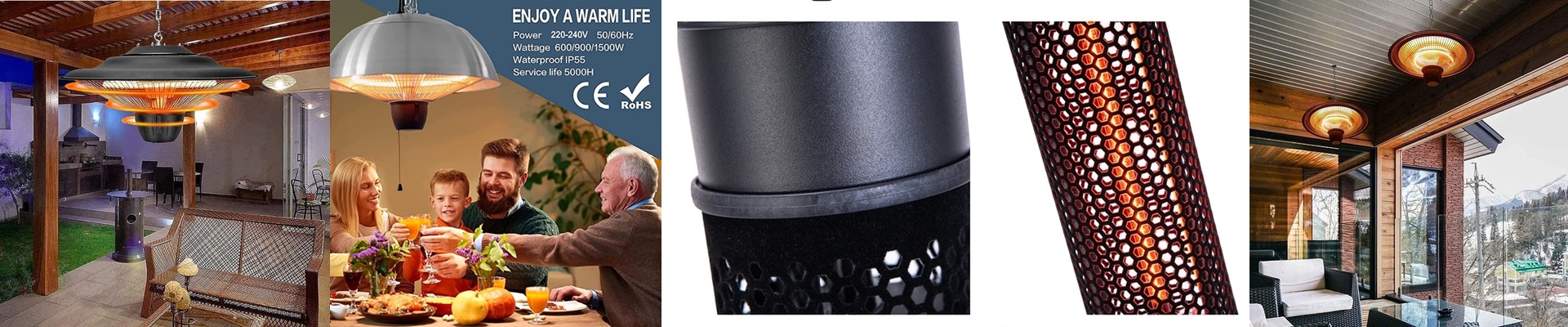
In a senior’s foot spa room, comfort isn’t a perk—it’s the whole point. When feet stay cold, circulation drags, stiffness sets in, and the session just falls flat. A heater that wavers or blasts hot air turns a quiet routine into a hassle.
What I built into this footcare heater
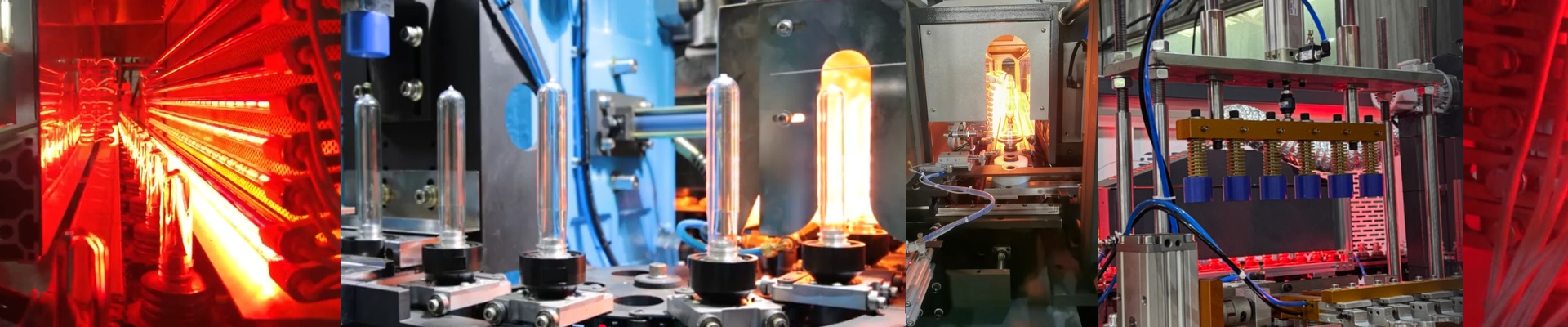
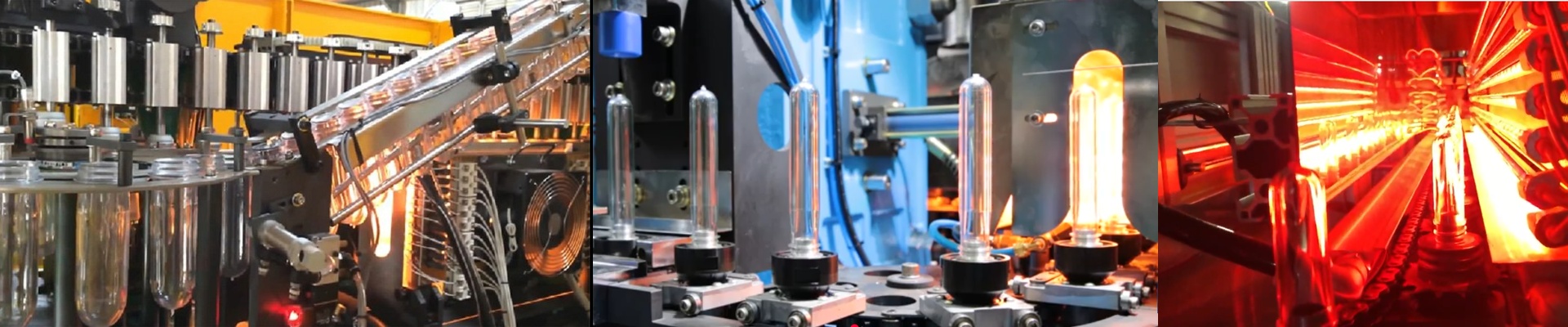
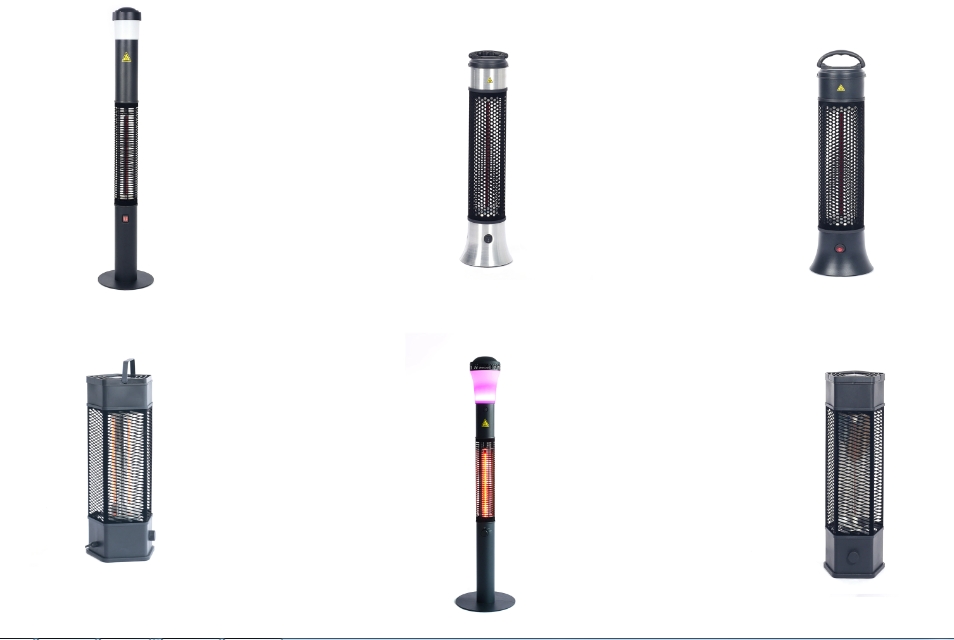
I went with short-wave infrared, using a quartz tube and a reflector to focus radiant warmth right where it needs to go. This delivers localized, high-energy heat that penetrates tissue more efficiently than convection-only air. In practice, 150–300W is enough to warm the soles quickly without turning the room into a sauna. No stifling air, no feeling like you’re sitting in front of a hair dryer. A built-in thermostat keeps temperature steady, and the base has tip-over protection—if it gets knocked, power cuts out. The enclosure stays cool to the touch, and I routed the cord away from foot traffic to keep it out of the way.
Why this approach works for seniors
It comes down to circulation. Radiant heat raises skin temperature at the contact point, which helps open capillaries and improve blood flow to the feet. That warmth loosens tight muscles, eases joint stiffness, and makes soaks or massage more effective. Because the heat is directional, you get deep comfort without the drafts and noise of a fan heater. Energy use stays sensible—low enough for daily sessions, but strong enough to hold steady warmth.
Practical notes from the shop floor
Position the heater so the beam hits the soles, and keep at least 20 cm clearance from fabrics, skin, and any bath liquids. Plug it into a dedicated outlet to avoid nuisance trips. **Infrared is excellent for targeted heat, but it won’t heat an entire room.**If the space feels drafty, add gentle background warmth elsewhere. Always run the unit with the provided guard, and follow the time and distance guidance in the manual. That’s how you keep sessions safe and comfortable, session after session.