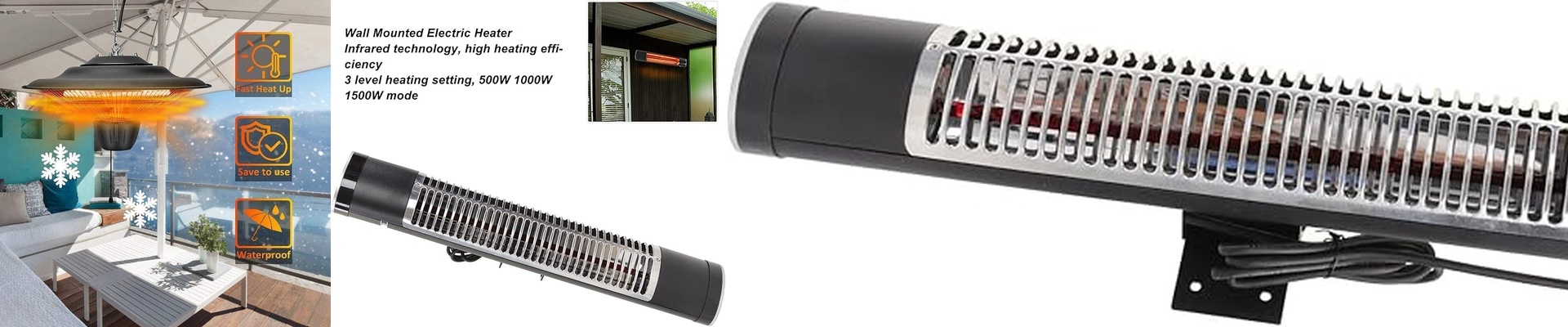
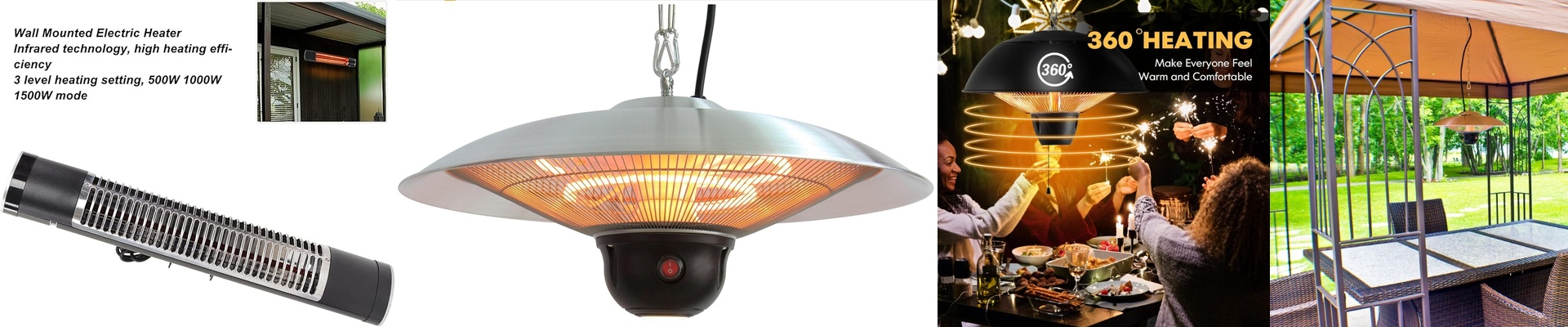
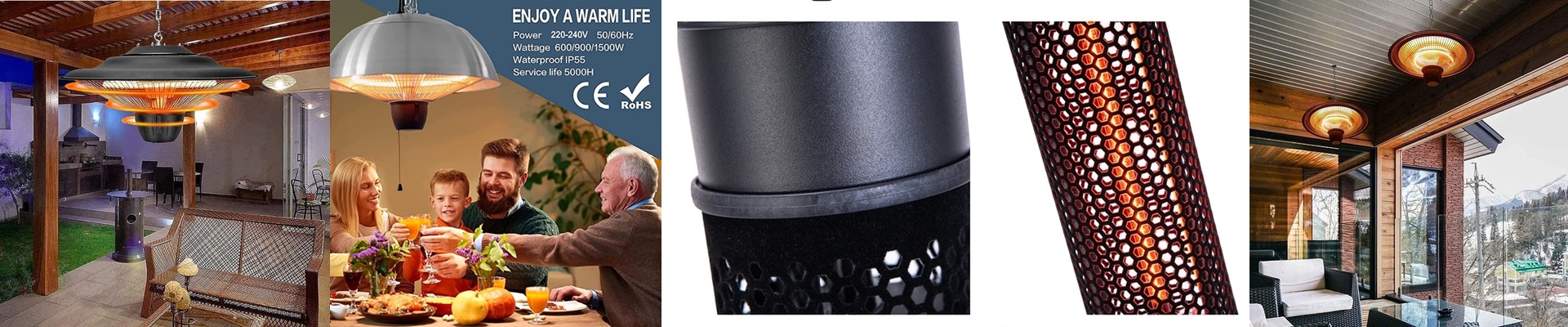

Cold basements aren’t just uncomfortable—they turn finished rooms into dead space and make every step feel damp. Forced-air systems struggle below grade. They push air that warms unevenly and leave cold pockets along floors and walls. An infrared electric heater shifts the physics. It warms people and surfaces directly, not just the air.
What matters, technically
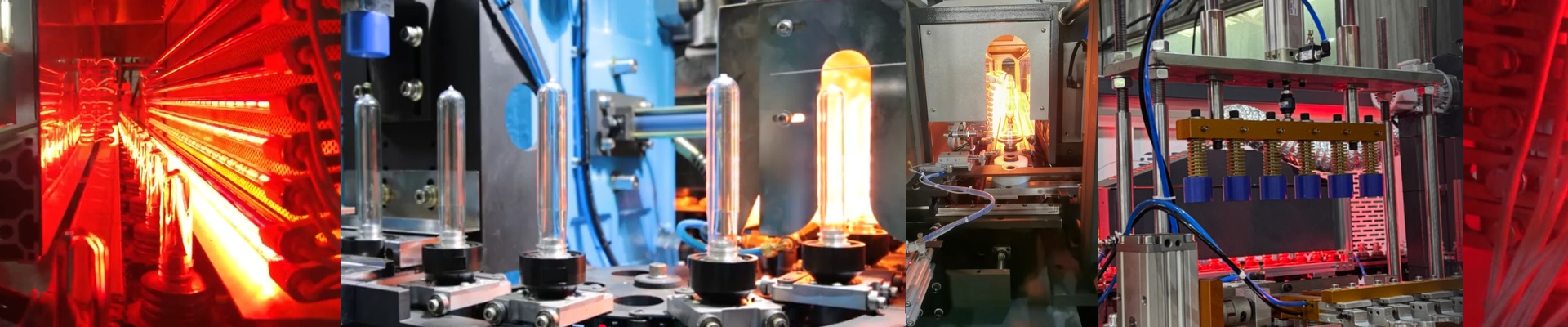
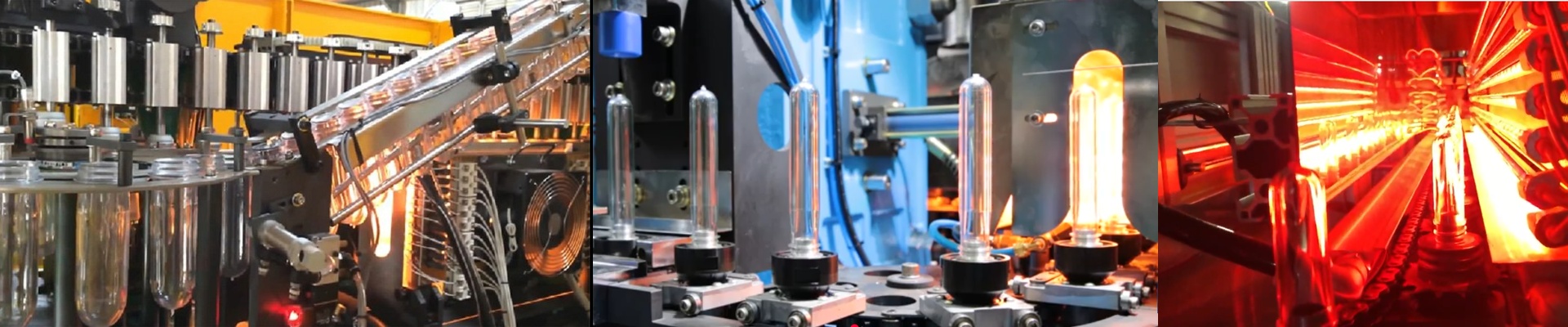
Infrared warmth comes down to the emitter. We built this basement electric heater around a carbon fiber element, chosen for stable output and a fast response. Then we paired it with a reflector shaped using geometric optics. We map ray paths to spread the beam evenly across the target area. That cuts down hot spots and weak zones. The result is a more uniform radiant field, so you get steady warmth without the on-off swing you get from convection. Efficiency is baked into the approach. The reflector captures off-axis energy and redirects it forward, so more heat goes where you need it. Add in a thermostat and tip-over protection, and the unit keeps comfort consistent and safe. For most basements, a 1500W model on a standard 120V circuit gives the right reach for typical layouts.
Why this works in basements
Basements are steady, enclosed, and often hard to balance for heat. Infrared heats the floor and furnishings first, which helps the air feel stable and cuts drafts. Because the warmth is directional, you can place the heater where you actually sit—near a sofa, workbench, or home gym—and feel comfort right away. You’re not heating the whole house just to make one below-grade room usable.
The practical details
Installation is straightforward, but placement matters. Keep the heater clear of obstructions and away from water sources, and stick to the clearances listed in the manual. In humid basements, choose a unit rated for the environment and avoid spots where moisture collects. **Infrared warmth performs best when the path is unobstructed.**Large storage racks or tall furniture can cast shadows and reduce perceived heat.