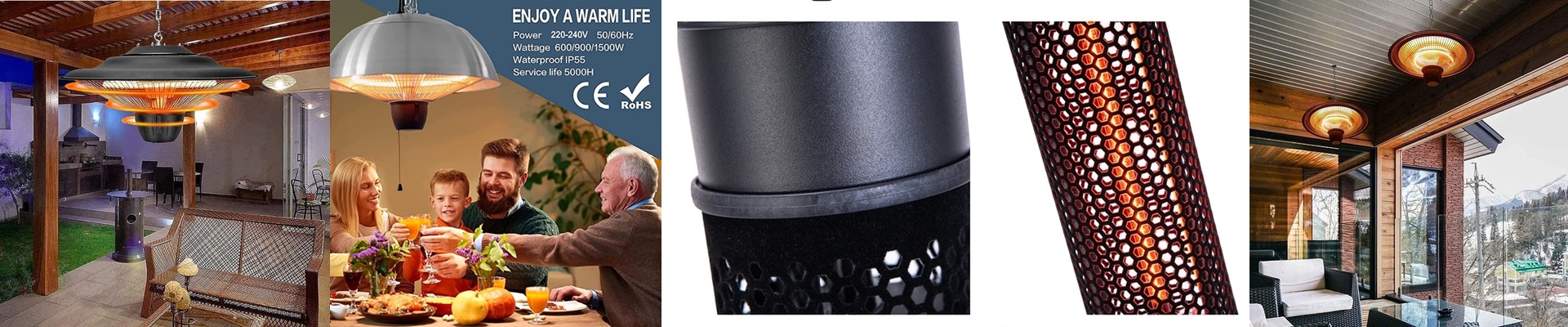

On a warehouse floor in winter, cold isn’t just uncomfortable—it drags down material handling, tightens muscles, and makes quality checks feel rushed. When the heat can’t keep up, throughput drops and morale goes with it. So we built our infrared warehouse heater around a straightforward idea: keep people and processes warm, without wasting energy or cutting corners on the environment.
What matters under the hood
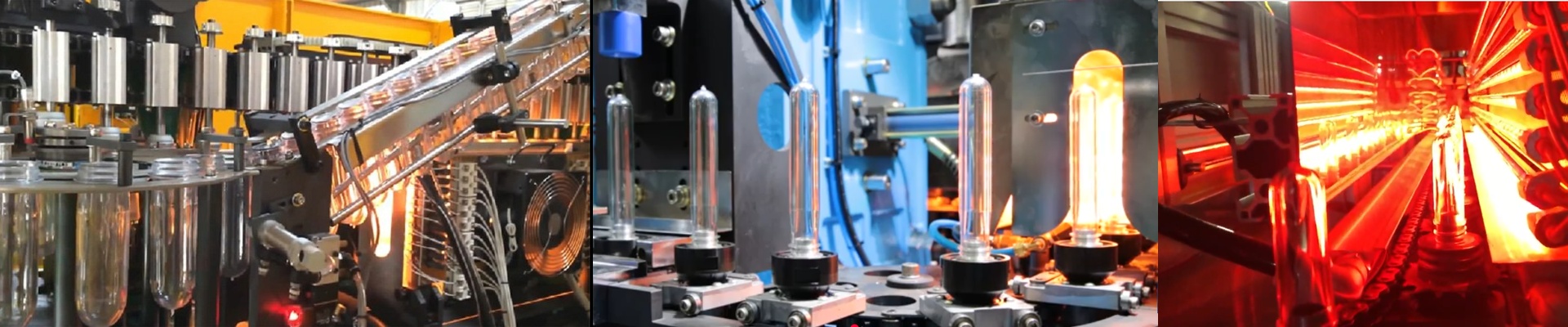
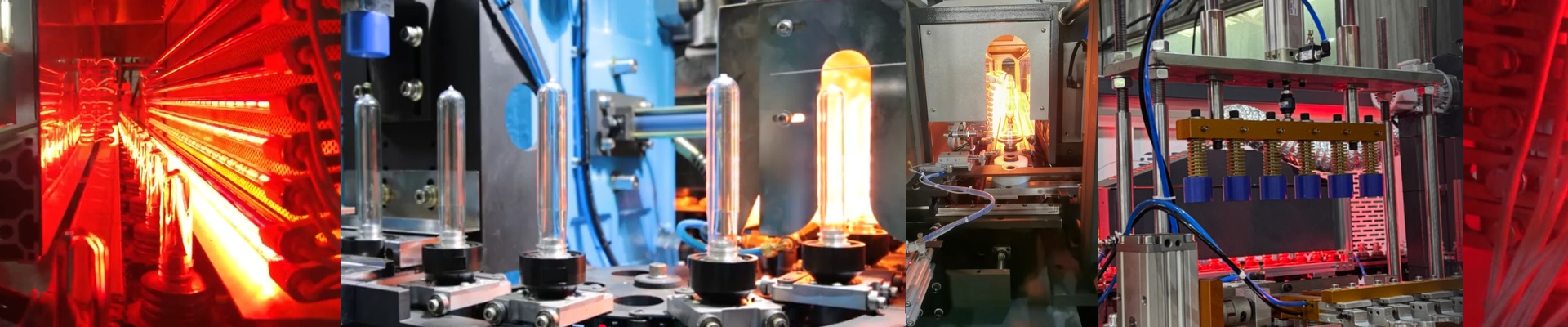
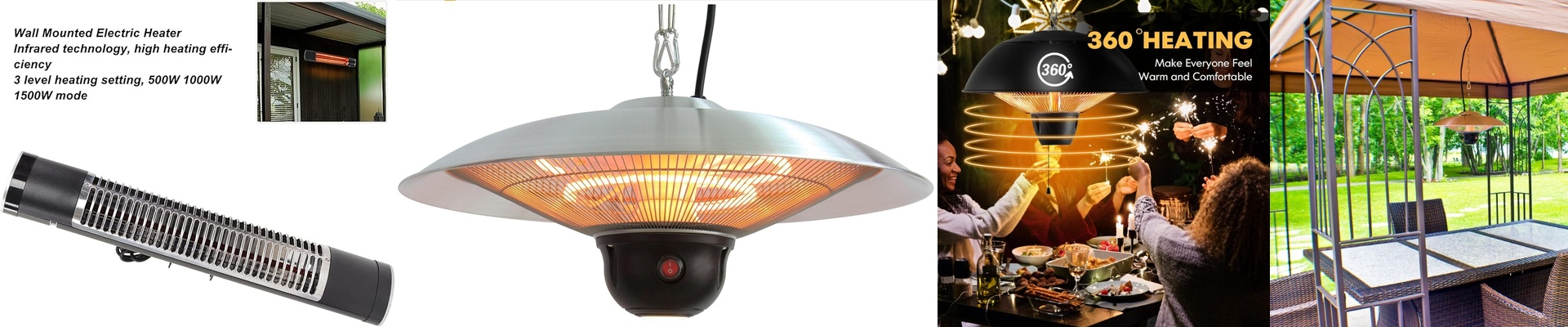
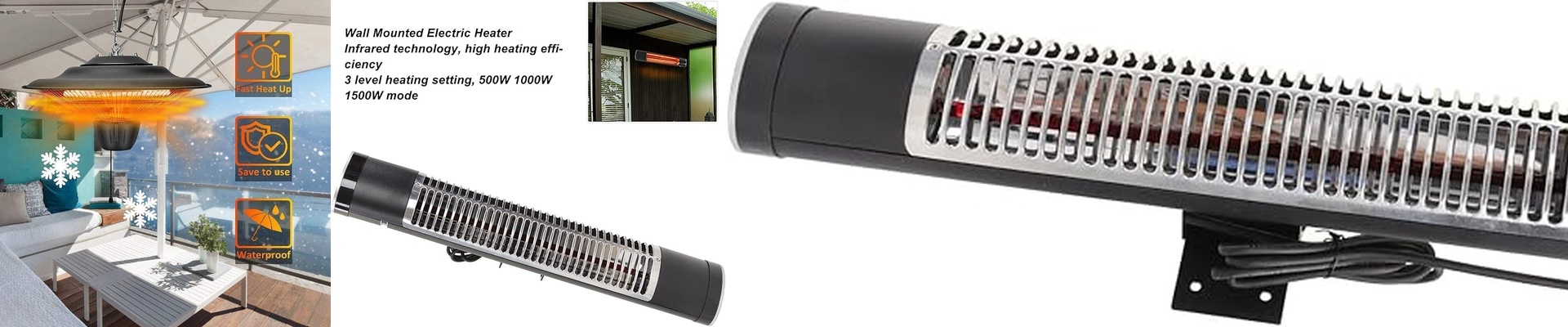
We lean on medium-wave infrared heating, delivered through quartz tube elements. They come up fast and radiate warmth straight onto people, floors, and equipment. The payoff is targeted heat where you need it, without the long warm-up you get with forced-air systems. Depending on the layout, our units are available in practical power options, typically 2–6 kW, with standard 120/240 V plug configurations for straightforward electrical integration. A built-in thermostat holds the space at a steady comfort level, and the radiant heat profile helps cut down on drafts that come with moving air.
Why this works in a warehouse
In warehouses, the name of the game is steady operations. Infrared warmth supports comfort during receiving, picking, and packaging, which can sharpen focus and ease fatigue. Because the heat is directional, it warms the task zone instead of the entire volume of air, which can trim overall energy use. We also build for the long haul: quartz elements sit inside solid housings, and the simple mechanical controls are easy to service. From sourcing raw materials to final assembly, we lean on cleaner production practices—less solvent use and recyclable packaging—so the comfort you feel comes with a smaller footprint.
The practical details
Infrared heating does its best work when the heater is positioned to cover the primary work area, not when it’s trying to blanket the whole building. For solid results, mount units at the recommended heights and keep clearances from combustible materials. In very dusty or humid spots, pick a model with the right IP rating and keep electrical connections clean and dry. These heaters deliver fast, localized warmth, but they’re most effective when paired with a thoughtful layout that matches heating zones to workflow.