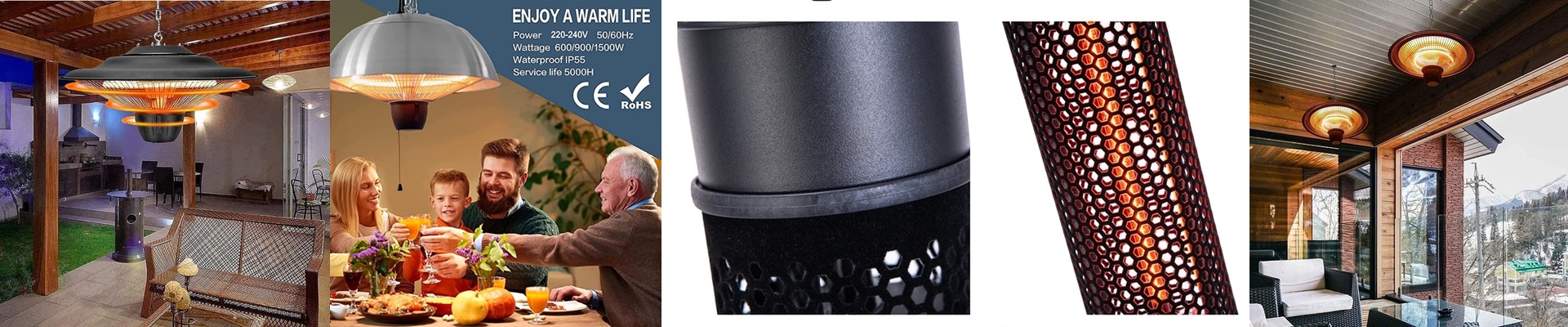
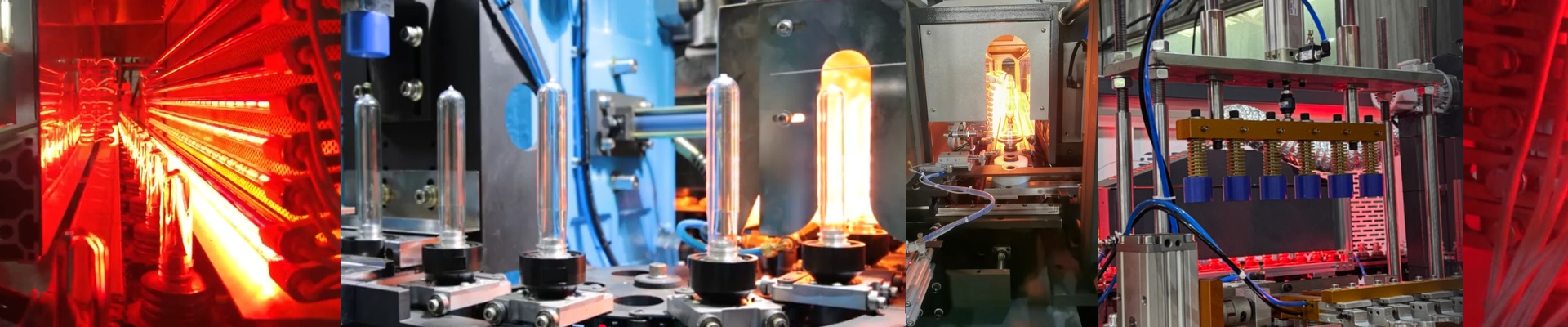
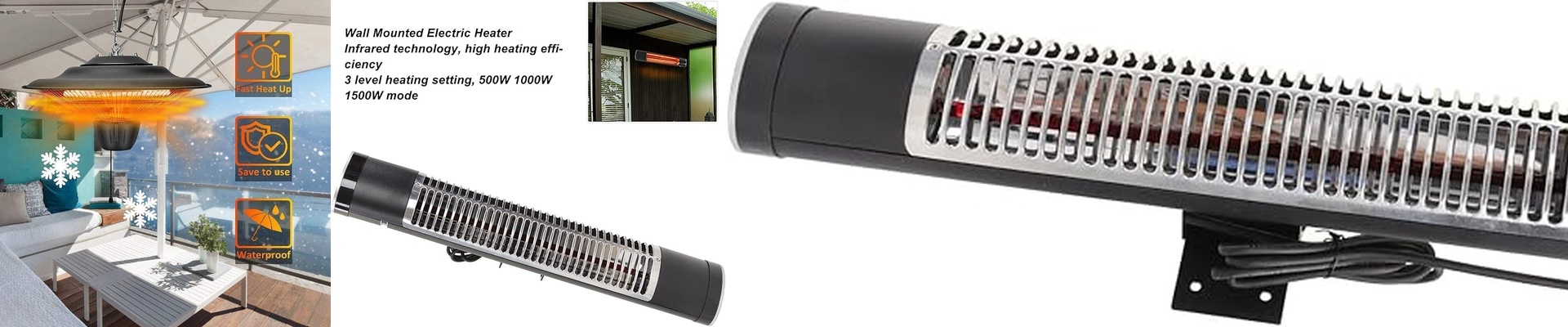
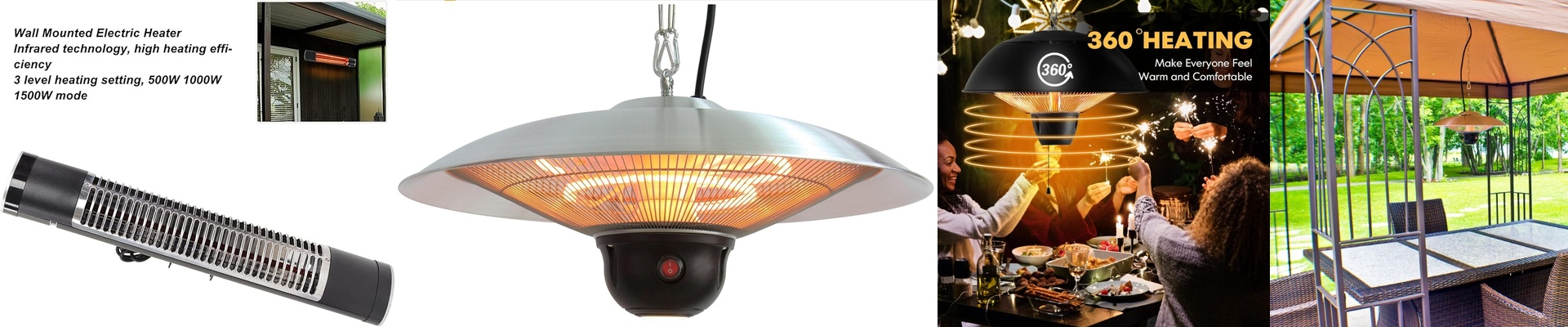

When service is moving, plates pile up at the pass fast. If the heat isn’t controlled, steam makes crusts go soggy, garnishes wilt, and the tickets just keep coming. A serving-counter IR heater for drying hits that bottleneck where it lives—keeping food at the right texture without cooking the center or sucking the moisture out. What matters under the hood We built this around short-wave quartz infrared emitters, because they respond quickly and put heat right where you need it—on the surface. The output is tuned to dry the top fast while keeping convective heat low, so you’re not accidentally warming the bulk product underneath. It runs on 240V, pulls a predictable load, and mounts tight under a counter overhang. A straightforward thermostat gives you repeatable settings, and the emitter tubes are simple to swap when the rush hits and you need to keep rolling. In practice, you get fast, directional heat exactly where it counts—on the plate, not in the air. Why it earns its keep at the pass At the service counter, speed and consistency are what matter. IR drying cuts the time from pass to handoff, so plates leave crisp, sauces set, and cheese stays put longer. That means fewer re-fires, fewer comped items, and a calmer line when the rush hits. The heat stays localized, so you’re not blasting adjacent prep or holding stations with ambient warmth. And because you’re heating surfaces, not the whole room, energy use stays sensible. The fine points you’ll appreciate on shift Infrared drying shines on plates and shallow dishes. Deep bowls can shadow the surface and slow things down. Clearance matters—mount it at the recommended distance to avoid hot spots on delicate garnishes. Keep the emitter face clean and dry. Grease and crumbs will dull the output and shorten tube life. Wire it for the rated load, and it will run shift after shift without drama.