Ditching the Coal Boiler for IR on Your Barberan Line
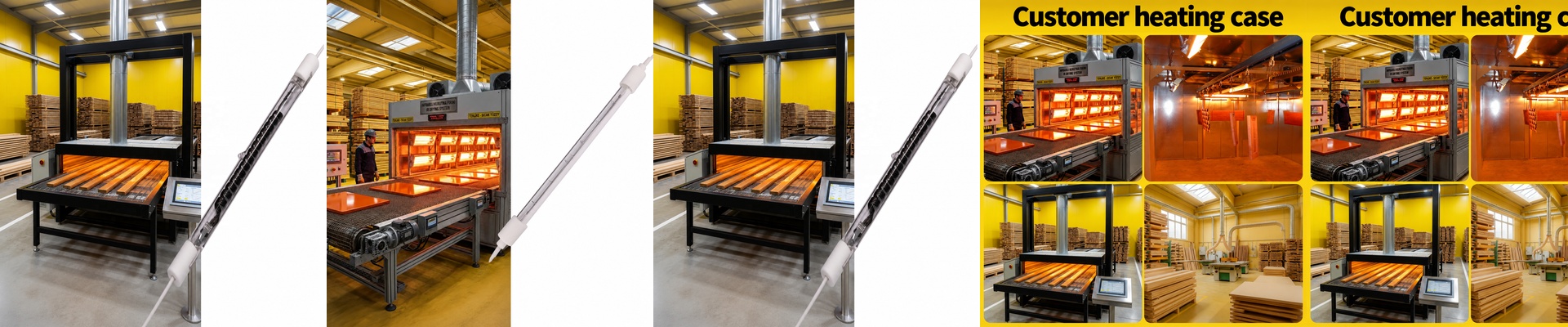
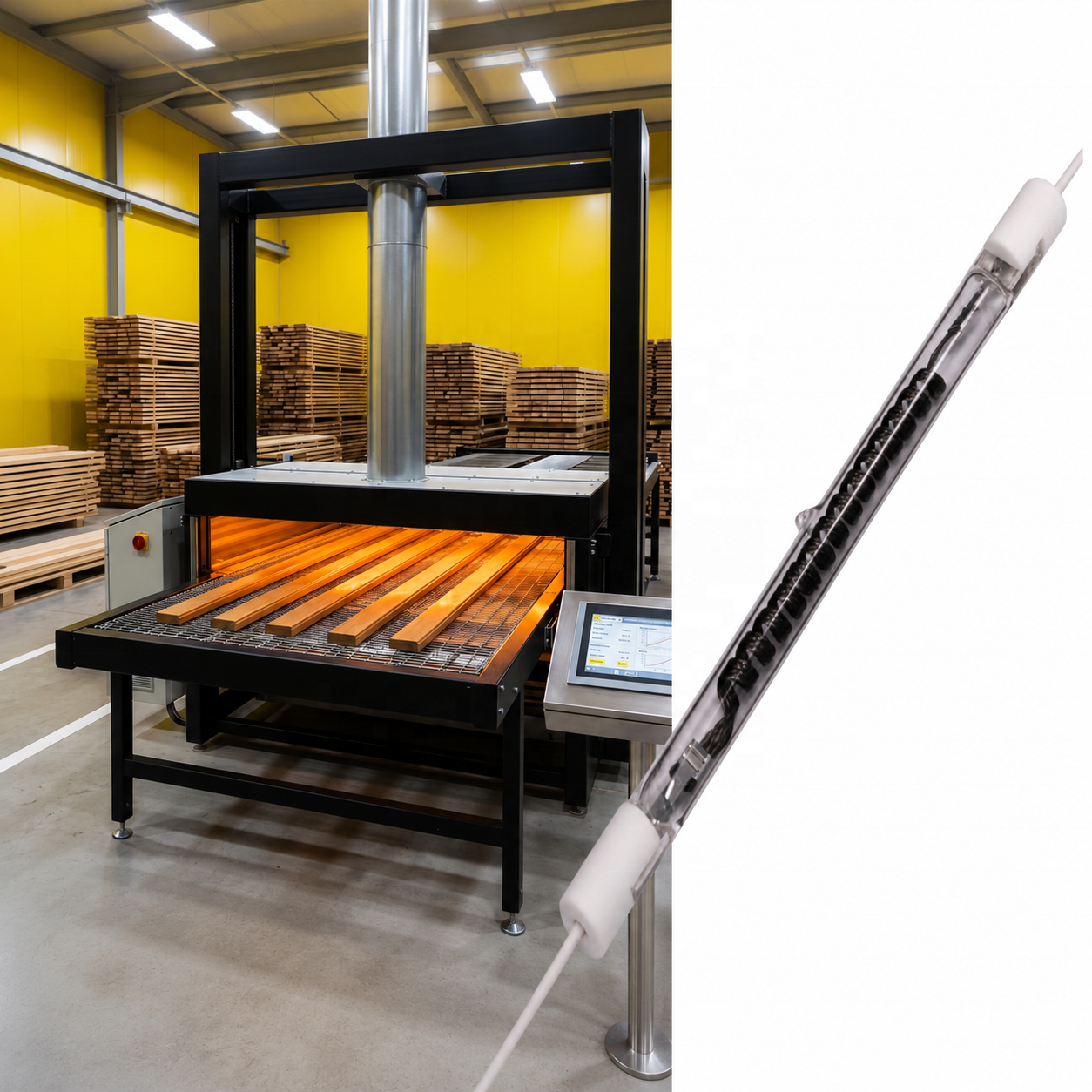
If you’re still running a coal-fired boiler on your Barberan line, you know the drill. You’re dealing with massive steam pipes, a constant battle against soot, and a lot of wasted energy. Switching over to infrared (IR) lamps isn’t just about looking “green” or hitting some carbon target. It’s about actually controlling your heat. See, coal boilers just heat up the air around the wood. IR is different. It hits the substrate directly.
Why Shortwave IR actually works
We build these replacement lamps to hit that shortwave spectrum. I’ll explain why that matters: medium-wave heat just sits on the surface. Shortwave IR actually punches through the coating. It dries your resins and lacquers from the bottom up. That means your cure cycle finishes way faster, which lets you crank up the line speed. It’s a night-and-day difference in how your shop flows.
The nitty-gritty on power
When we’re figuring out the right lamp for your press or dryer, we look at wattage density. We use high-voltage quartz tubes because they let us pack a ton of power into a small space. The best part? You don’t have to tear apart your conveyor frame to make them fit. But here’s the thing:check your electrical panel first. Going from a boiler to a high-wattage IR array is a huge jump in power demand. If your transformers can’t handle that initial spike when you flip the switch, you’re going to be tripping breakers all morning.
Keeping things running
These are basically drop-in replacements. We use standard connectors, so if a tube burns out, you can swap it in a few minutes. No need to rewire the whole bank. One heads-up, though. Wood shops are dusty. Quartz glass doesn’t love sawdust. If the reflectors get coated in grime, the heat doesn’t bounce back onto the wood, and your electricity bill will start to climb. You’re trading the headache of a massive boiler for a simple cleaning schedule. It’s a fair trade, but you’ve got to stay on top of it if you want the best results.