Getting the Heat Right: A No-Nonsense Guide to Replacement IR Lamps for Woodworking
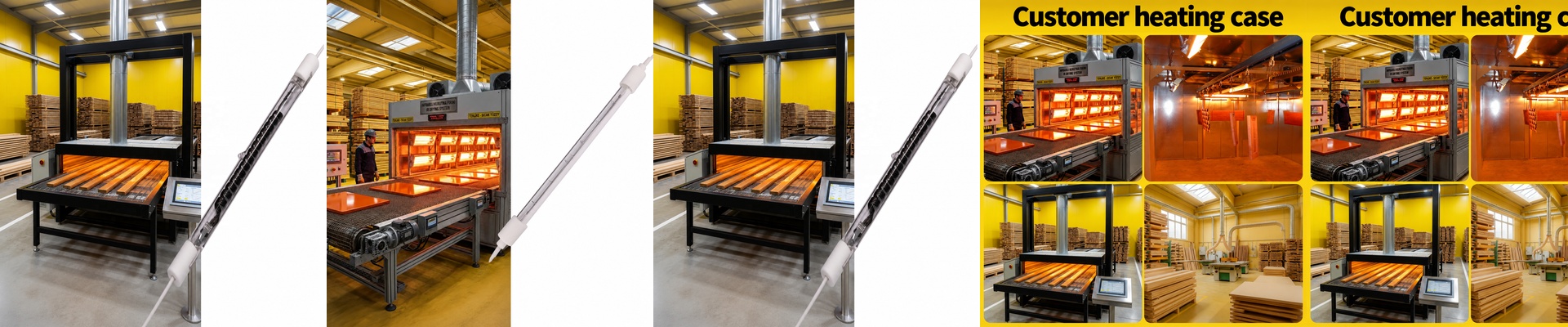
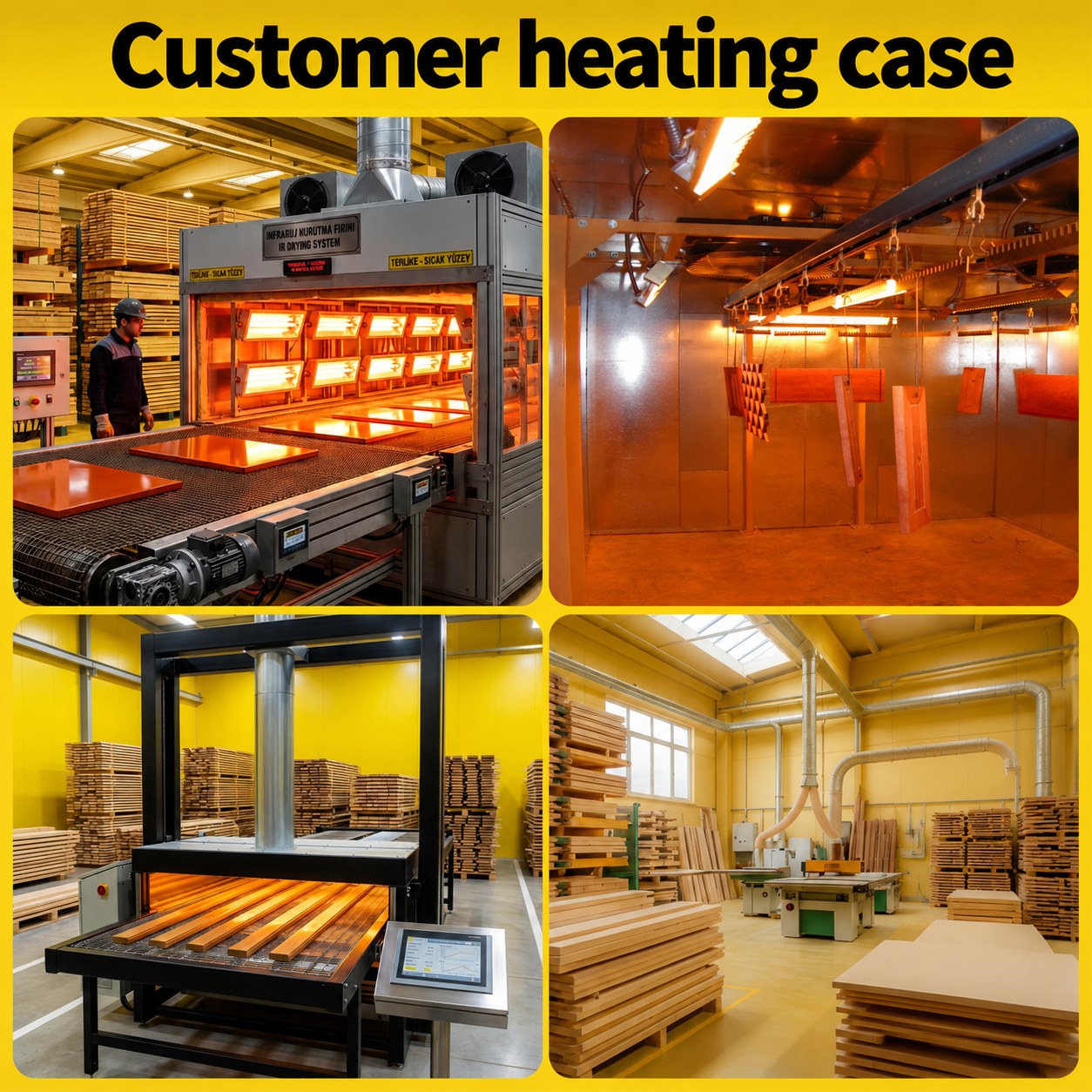
When you’re looking for a replacement lamp for one of those big-name international woodworking machines, you don’t actually need the fancy logo on the box. What you really need is the right heat, in the right spot, at the right wavelength. We build our infrared lamps to hit those same specs as the OEM parts, but without the “brand name” tax. The Deal with Heat and Voltage Getting moisture out of wood fast is the only way to stop it from warping. To do that, we use high-wattage quartz tubes. Here’s the trick: by using a higher voltage rating, we can cram more wattage into a shorter tube. This creates a tighter, more intense heat zone. Your wood hits that target core temperature way faster. Just a heads-up, though. Pushing that much power puts a real load on your power supply. Double-check your wiring and breakers to make sure they can handle the amp draw, or you’ll be replacing your breakers along with your lamps. What They’re Actually Made Of We use heavy-wall quartz glass infused with halogen gas. Why? Because the halogen cycle stops the filament from evaporating too quickly. It means the lamp lasts longer, even when you’re constantly switching it on and off. As for the fit, we offer R7s or SK15 connectors. They’re standard industrial plugs. You can swap a dead lamp out during a quick maintenance break without having to rewire the whole heating bank. It’s simple. Why This Actually Works for Drying These lamps go after the water molecules hiding inside the wood fibers. The shortwave radiation sinks in fast. This is huge because it stops “case hardening”—that annoying thing where the outside dries into a shell and traps the moisture inside. We’ve put these head-to-head against the top-tier brands in real drying cycles. The heat profiles are basically the same. You get the same drying speed, but you spend a lot less per unit. Your machines keep humming, your overhead drops, and you stop overpaying for a logo.