Stop Heating the Air: The Real Deal on IR vs. Steam for Furniture
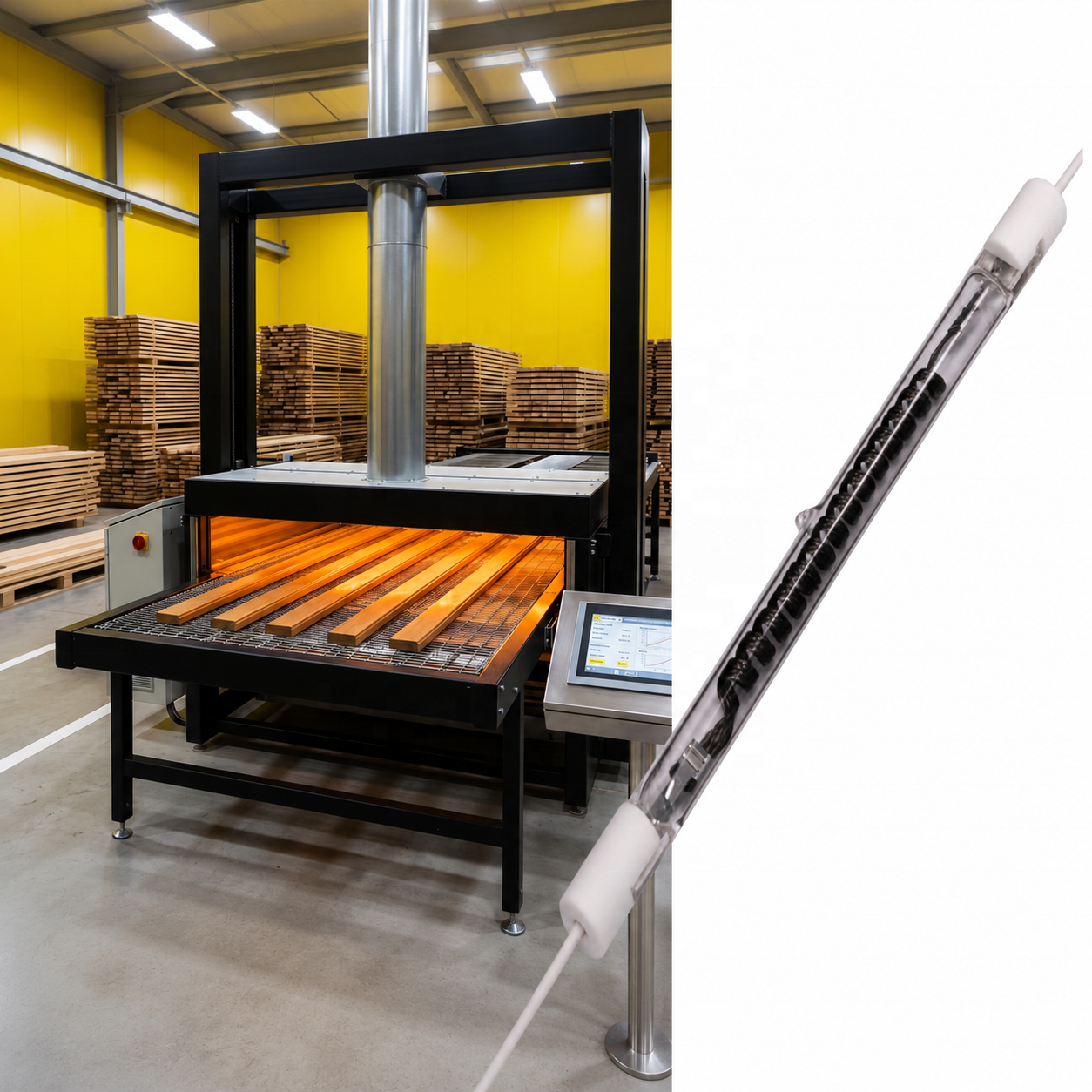
If you’re still relying on steam to dry your wood, you’re basically paying to heat your walls and the air around your product. It’s a waste. Switching over to infrared (IR) lamps isn’t just about getting some fancy new gear—it’s about getting rid of the headache that comes with boilers and water lines. Here is how it actually works. Steam is slow. You’ve got to boil water, push it through a maze of pipes, and just hope enough of that heat actually hits the wood. IR is different. It’s light. The second you flip the switch, the energy hits the wood.No waiting. No warm-up. In a furniture shop, that’s a huge win. When you’re dealing with glues and finishes, you can’t afford to spend two hours just getting the room up to temperature. With IR, you’re at operating temp in seconds. Now, let’s talk money. Yeah, those IR lamps from China might look more expensive on a quote than a few steam pipes. But look at the bigger picture. You can toss the boiler. You can get rid of the water treatment plant and all that bulky, insulated piping taking up your floor space. Plus, you only pay for what you use. Since IR is zoned, you only power the lamps sitting directly over your product. If the line stops for a break? You kill the power. Steam systems, on the other hand, love to leak and bleed heat even when nothing is moving. Most of the shops I talk to make their money back in about 12 to 18 months just from the energy savings. But, I’ll be honest with you—it’s not a magic fix. IR hits hard. If you don’t get your conveyor speed dialed in, you risk checking or cracking the surface. You have to find that sweet spot between the wattage and the moisture in the wood. If you’re too aggressive, you’ll burn the outside before the core is even dry. It takes a little tweaking, but once you hit that rhythm, you’ll never want to go back to a boiler again.