Picture the last scene of your favorite movie. The music swells, the screen lights up, and you’re locked in. Then the heater kicks on—whoosh, a rush of air—and you’re yanked right back into the room. In a home theater, that isn’t just a distraction. It breaks the moment.
What matters, technically
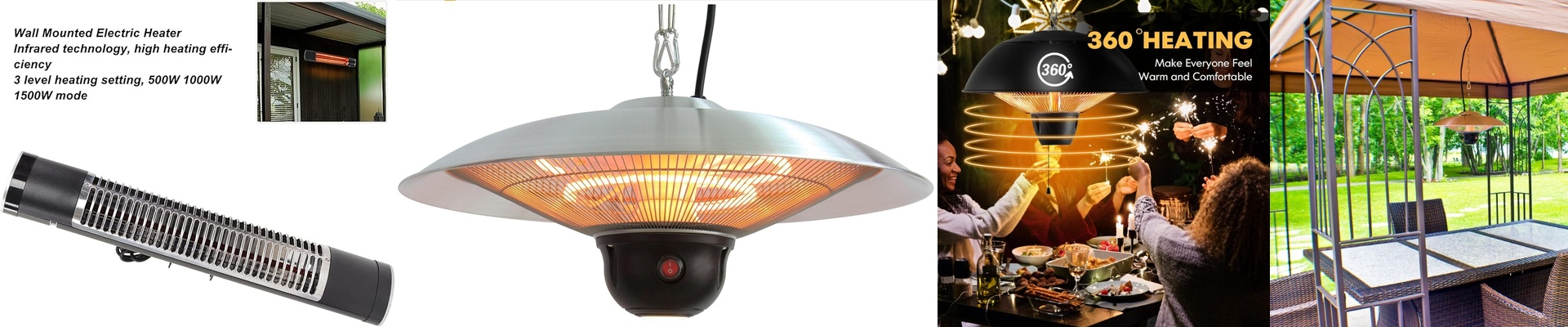
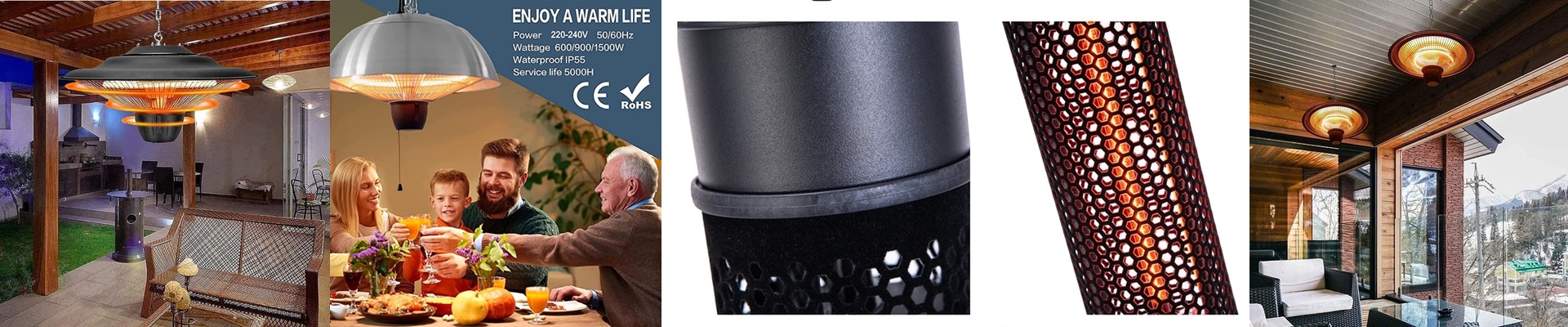
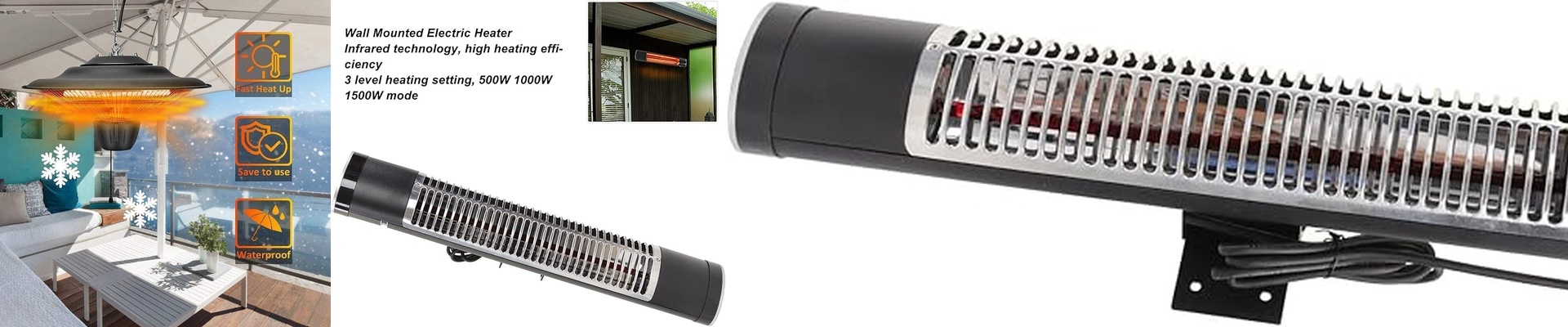
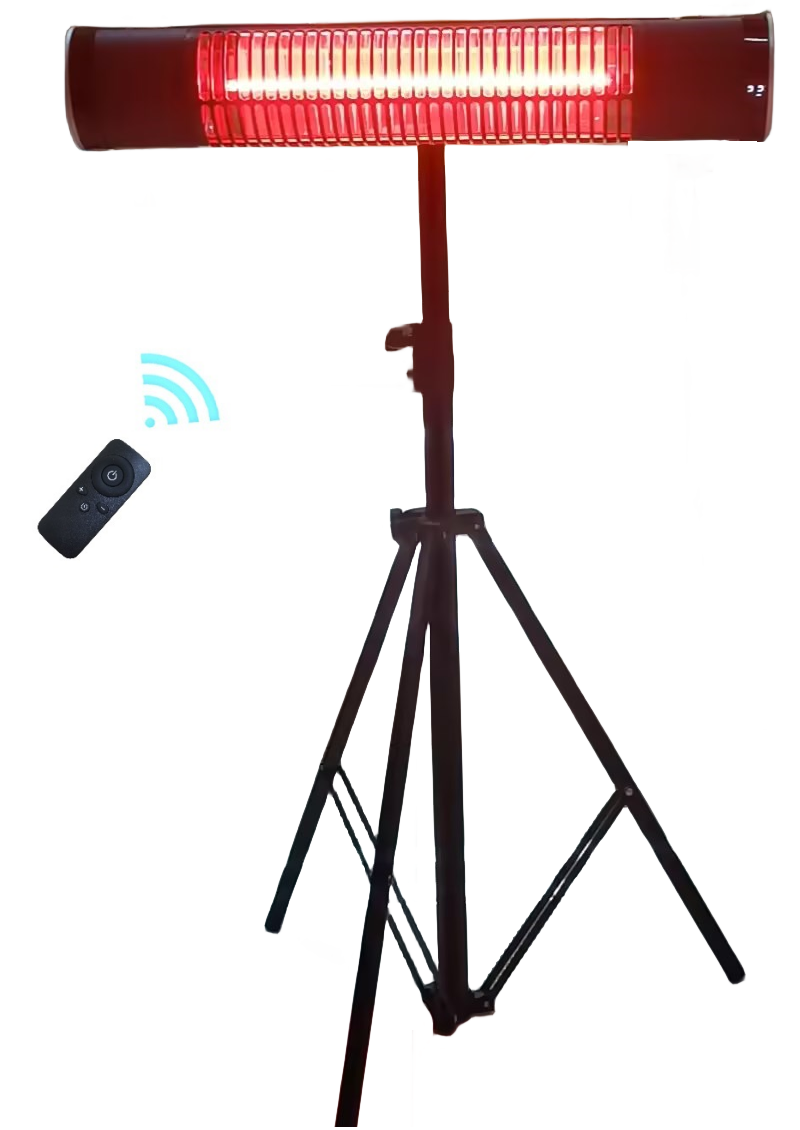
Infrared patio heaters run on radiant heat. They warm people and objects directly, instead of pushing heated air around. We use a carbon fiber element or a quartz tube to deliver instant, directional warmth—more like the sun than a forced-air setup. No fan means no mechanical airflow. You hear next to nothing, just a soft glow from the element. Most models plug into standard 120V outlets and put out 1500–1500W, enough to cover a focused seating area. You get an adjustable thermostat for steady comfort, and many carry IP ratings for covered outdoor spots. Safety is baked in, too: tip-over protection and protective grills keep the heat where it belongs.
Why it fits the room
Home theaters live on quiet. Infrared warmth keeps the acoustics calm, so dialogue stays clean and soundtracks stay detailed. You get even heat across the seats without drafts that muddy voices or stir dust that catches the projector beam. And because the heat hits instantly, you can keep the room cool until showtime and dial in comfort in seconds. If you’re running an outdoor cinema on a covered patio, this style of outdoor electric heater keeps the vibe immersive—opening credits to end credits.
The practical stuff
Infrared heat works best on people and nearby surfaces, so it shines in compact setups with smart positioning. For larger rooms or wide-open patios, plan for even coverage with multiple units. Placement matters. Keep the heater at a safe distance from seating and drapery, and aim it toward the main viewing area. Also, infrared heaters are quiet, but they do put out a gentle light that can show in a fully dark room—positioning and dimming controls help keep that in check.