Stop the Shorts: Why Your Heater’s Lead-Wire Seal Actually Matters
If you’ve ever dealt with high-ceiling factory radiators, you know the headache. You climb up there on a lift only to find another dead unit. More often than not, the culprit is the exact same spot: right where the electrical wire enters the quartz tube. It’s a frustrating cycle. The heater gets hot, cools down, gets hot again. Eventually, that seal just gives up. Once it cracks, oxygen and moisture sneak in and start eating away at the internals. Before you know it, the insulation is gone, the wires touch, and pop—your breaker trips.
The problem with “standard” seals
A lot of heaters on the market use basic adhesives or cheap gaskets. They’re fine for a while, but they can’t keep up with the constant stretching and shrinking of an industrial element. Think of it like a lung. As the lamp cools, it actually “breathes” in the humid air around it. If the seal isn’t perfect, that moisture goes straight to the wiring. That’s how you get high-temperature aging. It’s not a sudden break; it’s a slow decay that ends in a total failure.
Doing it the right way
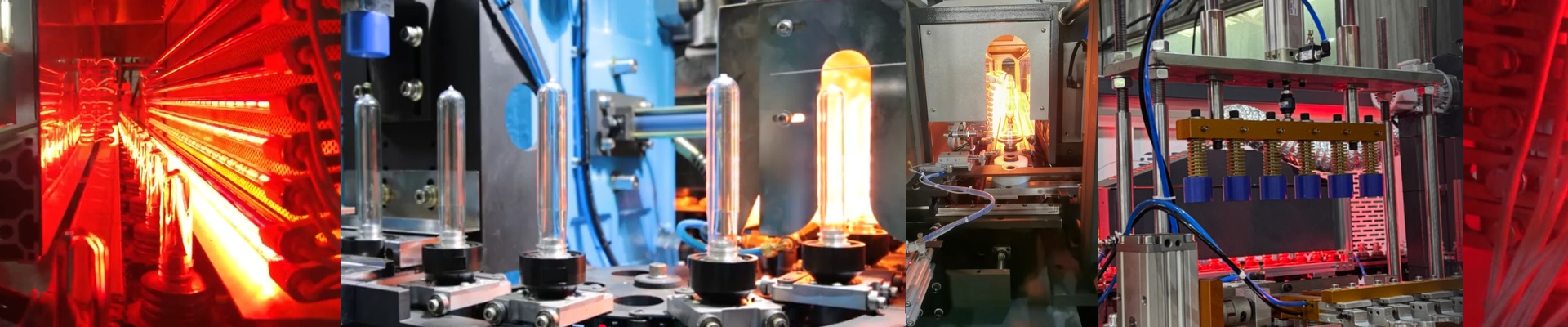
We do things a bit differently. We use a multi-stage vacuum seal and high-temp ceramic potting—the kind of stuff you usually only see in high-end OEM gear. It creates a tight, airtight barrier. No breathing. No moisture. Just a stable environment for the wire to live in. But here’s the catch: you can’t rush this. If you get the temperature wrong during sealing, you’ll either end up with a seal that’s too rigid (which cracks the quartz tube) or one that’s too soft (which leaks). It’s a delicate balance.
The real-world trade-off
I’ll be honest with you—this process takes longer. It’s not a “fast and cheap” build. But when your heaters are mounted twenty feet in the air,time is money. Spending a little more effort upfront means you aren’t spending your weekends swapping out lamps in a cherry picker. One last tip: don’t let the fancy seal fool you into getting lazy with the rest of your setup. The seal protects the inside, but your external wiring still needs to be rated for the heat of the housing. If you use cheap PVC wire on the outside, it’ll melt long before the seal ever fails. Keep the whole chain strong.