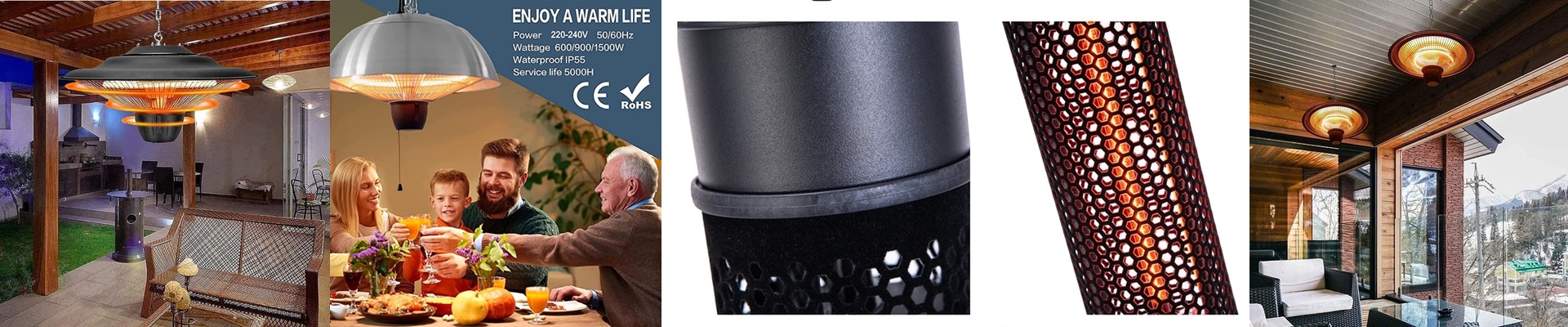
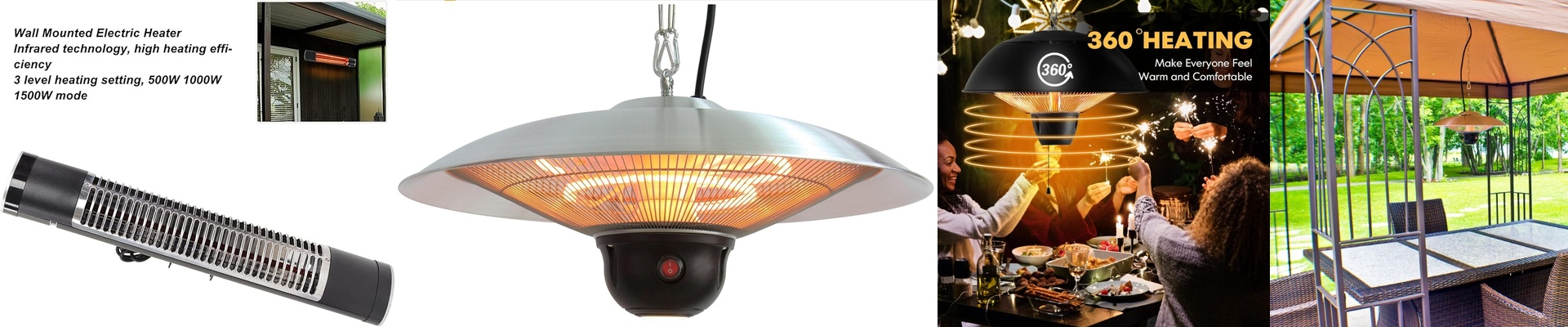
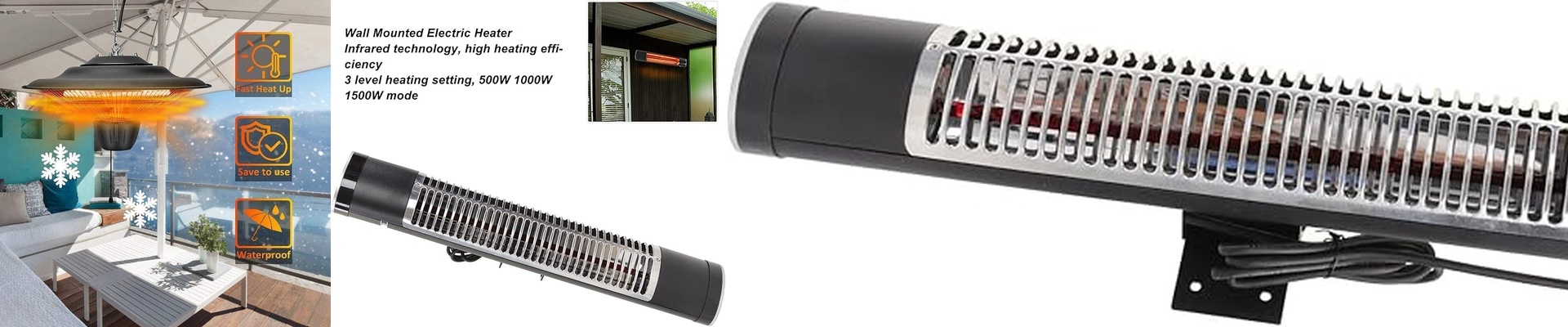

Outdoor evenings are meant to be cozy, not cut short by a heater that flickers and shuts down. In a lot of homes, unstable line voltage quietly eats away at an infrared heater—dimming the glow, stressing the element, and leaving you cold right when you need the warmth most.
What matters under the hood
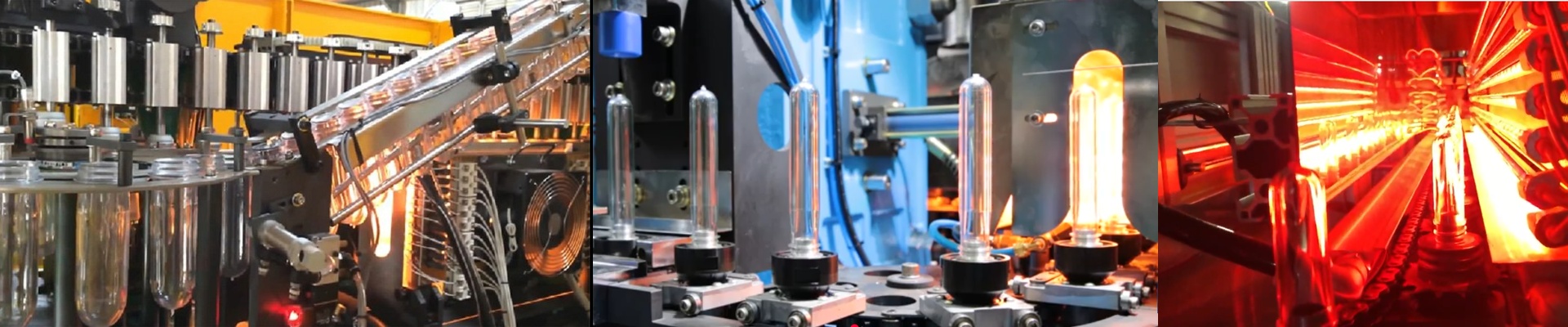
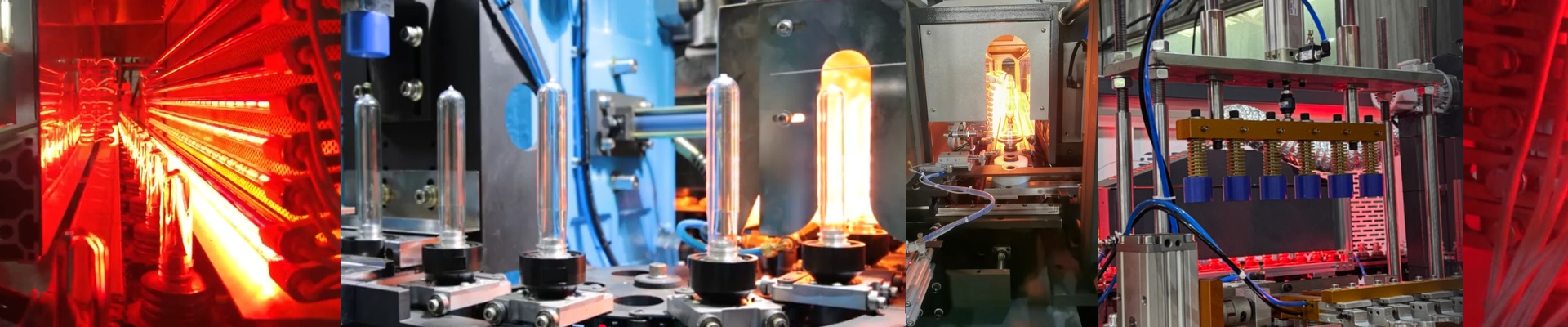
Infrared heating delivers comfort through radiant heat, using a low-glow carbon fiber element or a quartz-based emitter to warm people and objects directly. Efficiency like that depends on steady power. We run a circuit compensation system that continuously measures line voltage and adjusts on the fly, holding output steady even when voltage swings. The payoff is fewer thermal shocks to the element and infrared warmth that stays consistent. In practice, you get a quiet, even heat field without the harsh cycling that ages components fast.
Why this matters in the real world
Voltage fluctuations are common—older wiring, storm-prone areas, and mixed-load setups where other appliances cycle on and off. Without protection, those spikes and dips can force the heater into protection mode, cause uneven heating, and accelerate wear. Our voltage-resilient design keeps infrared output stable, so your patio, deck, or outdoor living space stays comfortably warm—consistently. It also helps the heater run more efficiently, because energy isn’t being wasted chasing erratic input. Fewer interruptions means more evenings outside, and fewer replacements means less hassle.
Things to keep straight
Even the most voltage-stable infrared heater has limits. For best performance, match the unit to a dedicated outlet on a properly rated circuit, and avoid long extension cords—they add voltage drop. The compensation system handles typical fluctuations, but sustained overvoltage or severe surges may still call for a whole-home surge protector. And because radiant heat warms surfaces, not just air, placement matters. Keep the heater oriented toward seating areas, maintain safe clearances, and keep it away from flammable materials.