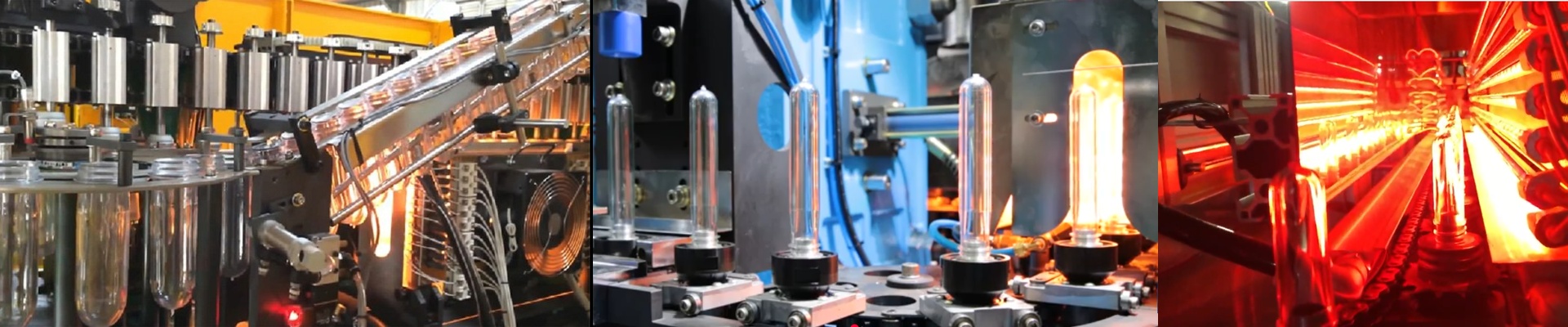

Stopping the Wait: Using Infrared to Wake Up Your Convection Oven
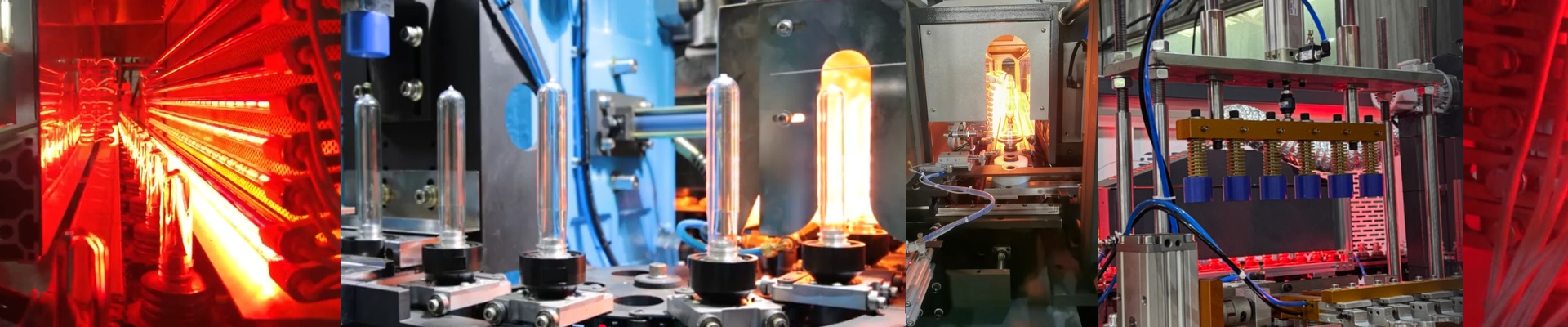
Let’s be honest: waiting for a convection oven to preheat is a pain. You’re just standing there, watching the clock, while your production line sits idle. It’s a bottleneck that kills your momentum. The problem is that convection relies on air to move heat, and air is just slow. It takes forever to get everything up to temp. To fix this, we’ve started adding infrared (IR) heating elements into the mix. It’s a way to jump the line and hit your target temperatures way faster. How it actually works Think of it this way. Convection is like waiting for a room to warm up with a space heater. Infrared is more like stepping into the sun on a cold day. You feel the heat instantly. By pairing a standard air loop with IR lamps, you get the best of both worlds. You still have the precision of forced air, but you get that raw, immediate punch of radiation to get things moving. For anyone running drying or curing lines, this means tighter cycles and way less wasted time. The gear we use We usually go with quartz-halogen tubes. Depending on what your plant is wired for, we can spec these anywhere from 230V to 400V. These tubes have a high wattage density, which is just a fancy way of saying they bring the heat the second you flip the switch. We also stick to R7s or Sk15 connectors. Why? Because they fit securely. You don’t have to worry about electrical arcs, and when a lamp eventually burns out—because they all do—you can just pop a new one in without a headache. The catch (because there’s always one) Now, IR isn’t a magic wand. Since it puts out such intense, localized heat, you have to be careful. If you blast your product with radiation but don’t have enough airflow, you’ll end up scorching the surface while the inside is still cold. The trick is to sync your IR pulses with your fan speed. Keep the air moving, and the temperature stays even. Why bother? Beyond just saving time, this actually saves your equipment. Because the IR elements do the heavy lifting during the ramp-up, your primary heating coils don’t have to work nearly as hard. They last longer. Your oven becomes more responsive, your workflow smooths out, and you spend less time staring at a thermometer.