
The Reality of Wholesale Pricing for WiFi Heaters
Let’s cut through the noise. The market for WiFi electric heaters is packed, but the prices? They swing wildly. Why? It’s not just about the parts inside. It’s about the whole story behind how a heater gets made. We built our entire process around a simple idea: own the supply chain. It’s not a fancy buzzword. It’s a real, tangible advantage. When you control everything from the raw materials to the finished heater, you cut out the middlemen and their markups. And those savings? We pass them straight on to our partners.
What’s Inside: The Engine of the Heat
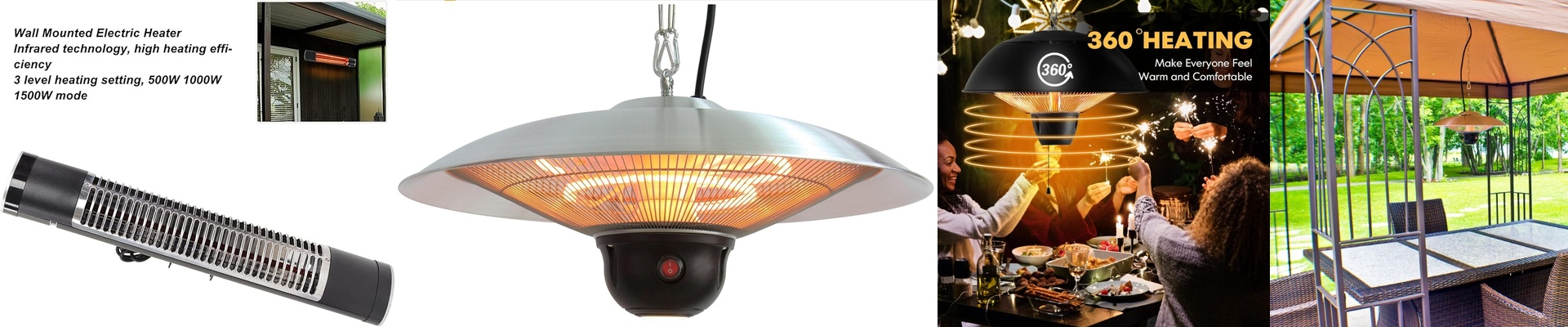
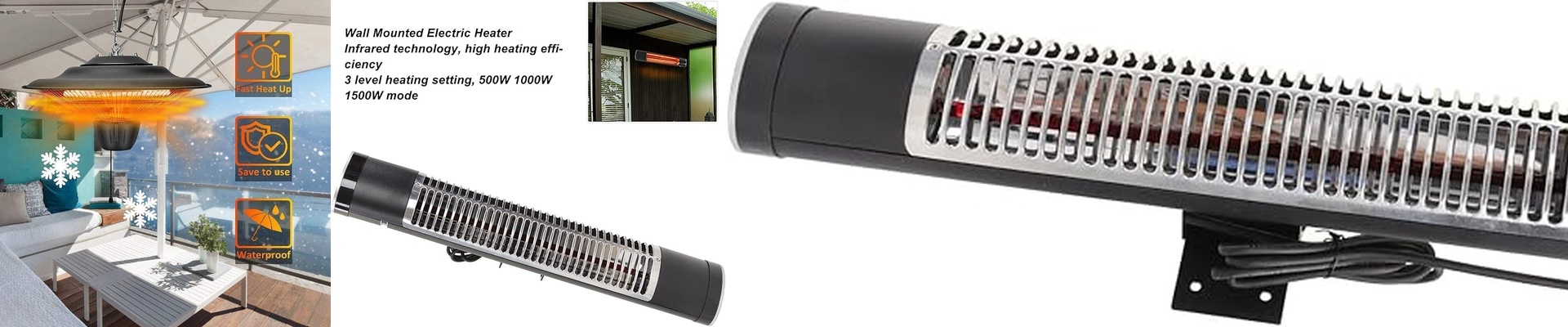
At its heart, a WiFi heater is a powerful heating system paired with a smart control board. The specs are what really matter. You’re looking at standard 120V or 240V models, pulling between 1500W and 3000W of power. They’re built tough, with a compact, rugged design meant for industrial and commercial spaces. Then comes the smart part: the WiFi. It runs on 2.4GHz or dual-band, letting you control and monitor the unit from afar. You can schedule heating, manage different zones, and track energy use. It means less wiring on site and a clear view of your energy costs.
The Supply Chain Advantage: How We Keep Prices Down
Here’s how we keep our wholesale pricing so competitive: we do it ourselves. We don’t just assemble a heater. We build the heating elements, we buy the microcontrollers in bulk, and we assemble the final product in our own facilities. This hands-on control lets us fine-tune everything. We negotiate directly with suppliers, streamline the assembly line, and run our own strict quality checks—without adding extra fees. This kind of efficiency means you get a real price advantage without us ever cutting corners on the core components.
The Trade-Off: Smart Control vs. Cost
So where do these heaters actually live? Workshops, warehouses, commercial buildings—anywhere you need zoned heating. The WiFi control lets you run multiple units from a central spot, which cuts way down on manual work. But there’s always a trade-off. Building in strong WiFi means adding more electronics, which bumps up the cost of each unit. The real challenge is balancing the price of that smart tech with the heater’s core performance. Our answer is to focus on making the electronics rock-solid and the heating element industrial-grade. You get a dependable heater, priced to compete, because our supply chain is lean, not layered with extra hands taking a cut.