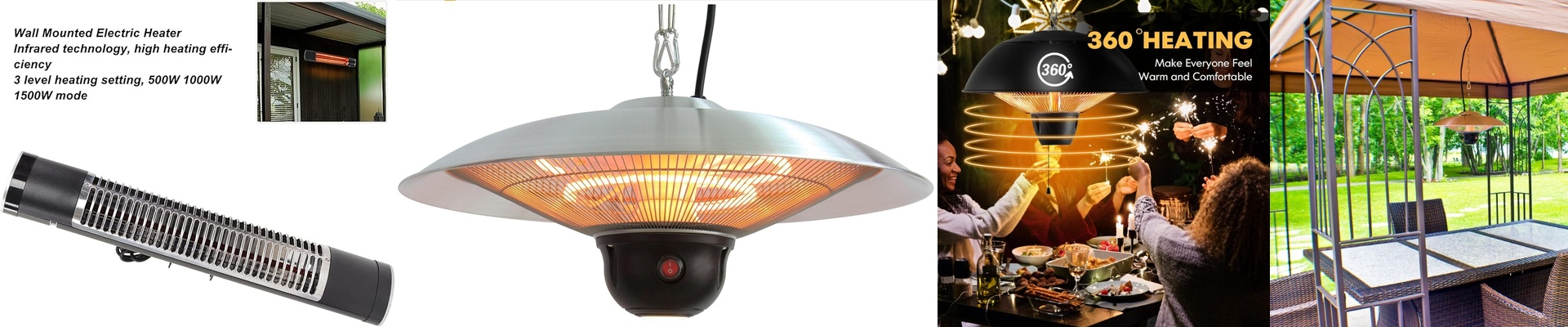

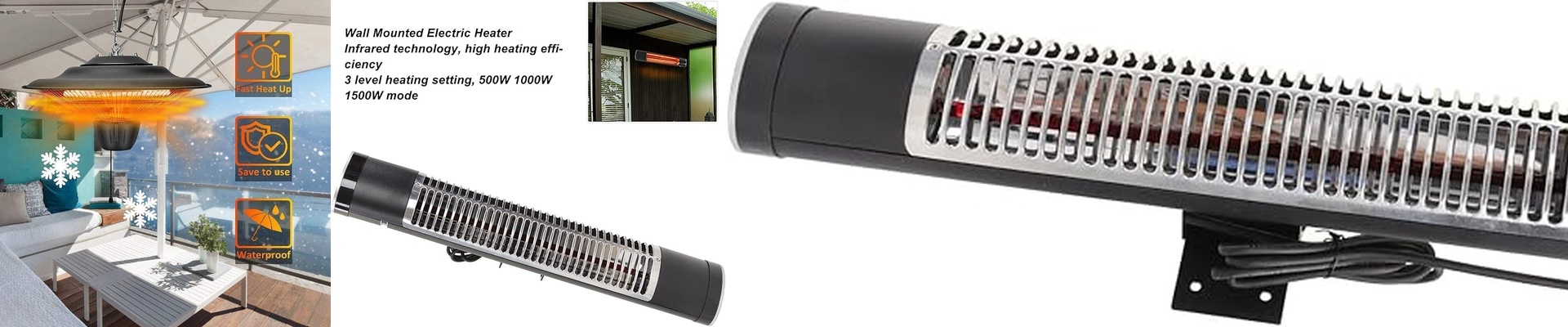
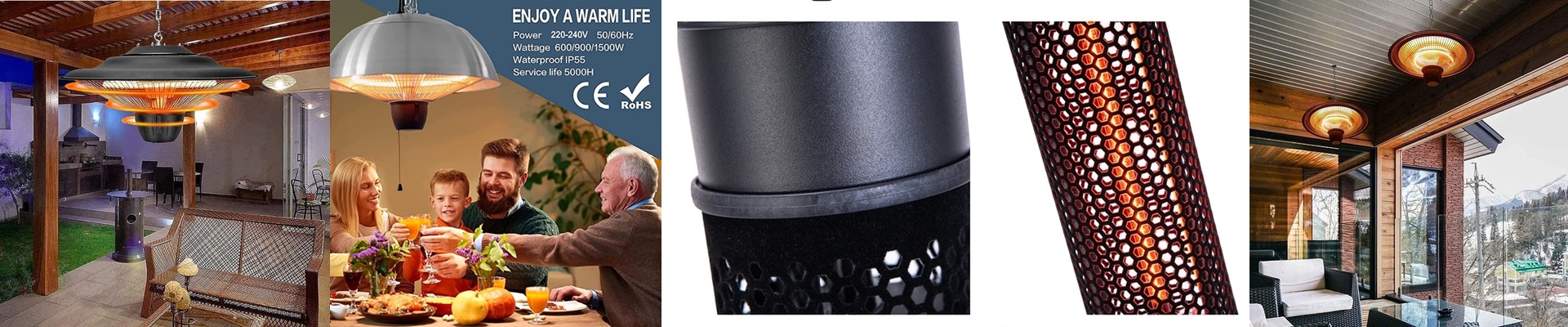


The patio air can go from pleasant to biting in minutes. You’re ready to sit a while, but a cold breeze forces everyone inside—especially when there’s a baby at the table. A garden heater that throws instant, directional warmth keeps the space usable, without the drafts that make you shiver.
What matters, technically
Infrared garden heaters warm people and surfaces directly, the way sun warms a wall. At the heart is a radiant element—usually a carbon fiber element or a quartz tube—heated by electricity to produce infrared warmth. No fan means no air being blown around, so the heat feels calm and localized. Because there’s no combustion, the heater doesn’t consume oxygen and there’s no open flame. That also means no carbon monoxide risk in the immediate area. Many electric outdoor heaters are built with an IP rating for weather resistance, plus tip-over protection and overheat protection for peace of mind.
Why this works for families
With infants, comfort isn’t just about temperature—it’s about air quality and disturbance. A quiet electric heater means no noisy gusts to startle a sleeping child, and no dry, circulating air to irritate sensitive noses. Infrared warmth arrives fast, so you can sit down, feel the gentle heat on your arms, and keep the evening going. On a garden patio or a balcony, that translates to cozy outdoor heating that keeps things quiet, maintains steady oxygen levels, and turns the space into a family-friendly room.
What you need to know
Infrared garden heaters do their best work when placed close enough to deliver directional warmth—typically 2–3 meters from seating, depending on wattage. They warm what they “see,” so positioning matters more than trying to raise the overall air temperature. Most are electric and need a dedicated outlet. For a permanent setup, a hardwired connection is often the cleanest option. In very damp conditions, pick a unit with a suitable IP rating and keep the control area protected.